Video summary
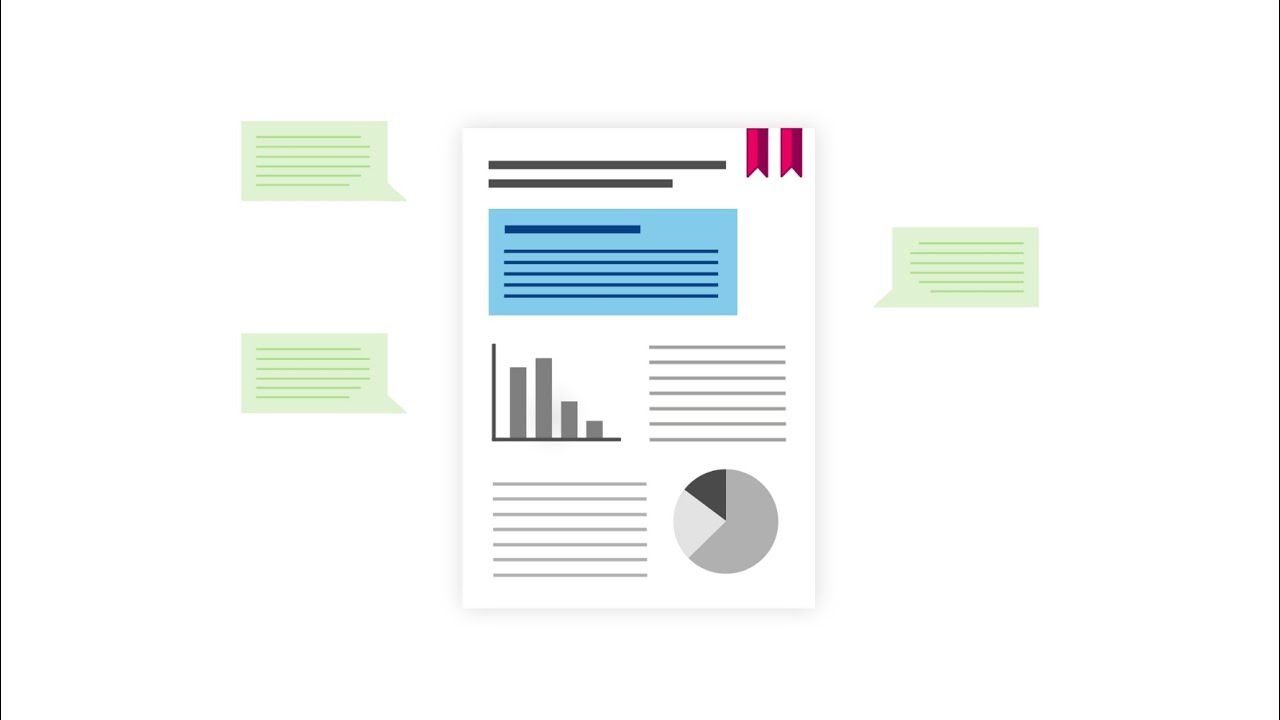
The video introduces the concept of a reviewed preprint, which serves as a hybrid publication model bridging the gap between traditional academic publishing and open science. Unlike standard preprints that are uploaded immediately without any external evaluation, a reviewed preprint undergoes a formal assessment process by experts in the field before being made publicly available. This approach allows researchers to share their work quickly while still benefiting from the credibility and quality control associated with peer review, effectively addressing the long-standing tension between speed of dissemination and rigorous validation.
The main argument presented is that this model offers significant advantages for both authors and readers by accelerating the scientific conversation without sacrificing trustworthiness. By integrating the review process into the preprint workflow, journals or platforms can provide early feedback to authors, helping them refine their manuscripts before final submission to a journal. This not only reduces the time from discovery to publication but also ensures that the information circulating in the scientific community is vetted for accuracy and significance, thereby maintaining high standards of research integrity even in fast-moving fields.
Examples discussed highlight how various disciplines are adopting this format to foster collaboration and transparency, particularly in areas where rapid response to emerging data is crucial. The video illustrates that reviewed preprints can coexist with traditional journal articles, offering a pathway for researchers to establish priority claims while engaging in constructive critique from peers. Ultimately, the conclusion emphasizes that reviewed preprints represent an evolution in scholarly communication, empowering scientists to share knowledge more efficiently while upholding the essential values of peer review and academic rigor.
Read the full video transcript
Hi