Understanding Deep Brain Stimulation (DBS) | Dr. Swathy Nair | Manipal Hospital Yeshwanthpur
Watch on YouTubeVideo summary
Deep Brain Stimulation (DBS) represents a groundbreaking surgical intervention designed to restore quality of life for millions suffering from movement disorders such as Parkinson's disease, essential tremor, and dystonia. This procedure involves the precise implantation of thin electrodes into specific areas deep within the brain that regulate movement, which are then connected to a small, pacemaker-like device placed under the skin near the collarbone. By delivering controlled electrical pulses to these targeted regions, DBS helps normalize abnormal neural signals responsible for debilitating symptoms like tremors, muscle stiffness, and slow movement, effectively giving many patients their lives back.
Determining when a patient is ready for this surgery relies on a practical screening tool known as the 5-2-1 rule, which identifies signs that the disease has progressed beyond what medication alone can manage. Doctors consider DBS appropriate if a patient requires five or more daily doses of levodopa to control symptoms, experiences two or more hours each day where medication fails and symptoms return, or suffers from at least one hour of troublesome dyskinesia, which are involuntary excessive movements caused by the medication itself. Meeting even one of these criteria often signals that the condition has advanced significantly, making DBS a viable option to regain control over daily activities.
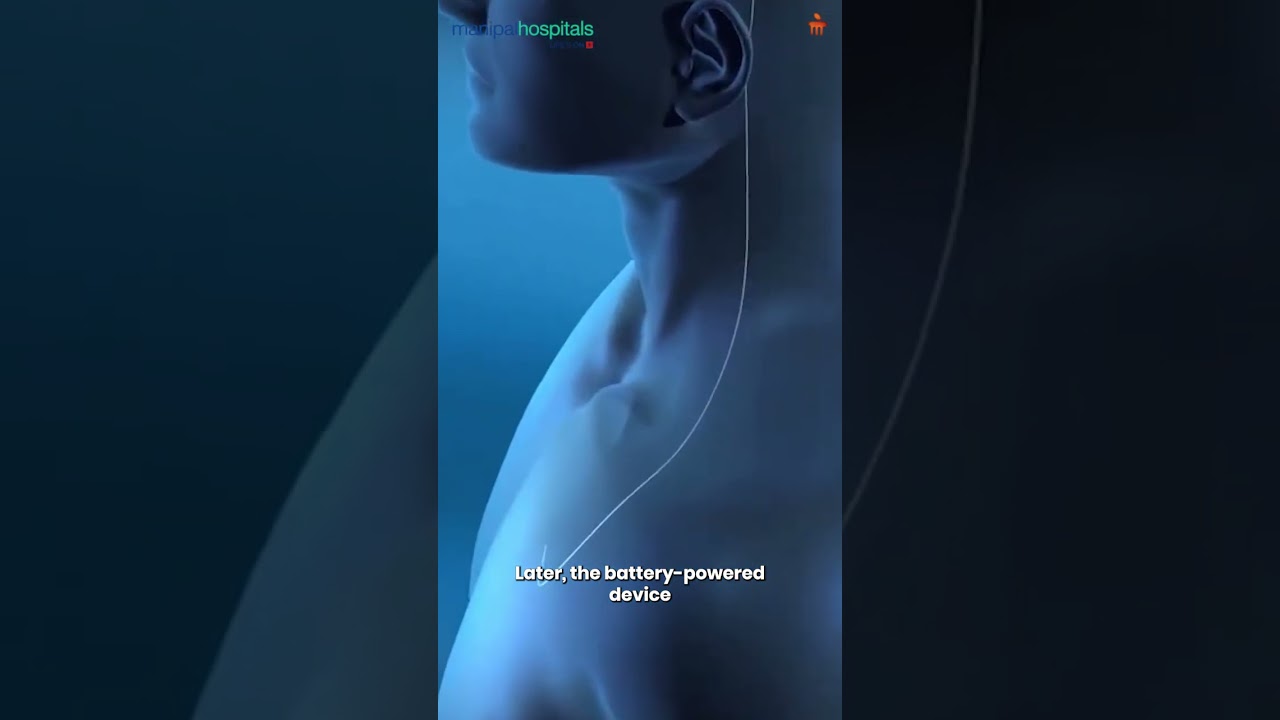
The surgical process is conducted in stages to ensure safety and precision, beginning with the implantation of electrodes while the patient is briefly awake to confirm accurate placement before the battery-powered device is connected. Once implanted, the stimulation settings can be adjusted externally without additional surgery, allowing medical teams to fine-tune the therapy over time to suit each individual's evolving needs. For well-selected patients, the results are often life-changing, offering a significant reduction in tremor and rigidity, smoother movement, and the ability to lower medication doses, which subsequently reduces side effects like dyskinesia.
It is crucial to understand that DBS is not a cure for these conditions and is not suitable for every patient, as outcomes vary based on individual factors and specific symptoms. The procedure carries inherent surgical risks and requires careful evaluation by a specialized team comprising neurologists, neurosurgeons, and psychiatrists to determine eligibility and manage expectations. At Manipal Hospital Yeshwanthpur, this advanced technology is offered as part of comprehensive neurology and neurosurgery services, with a dedicated team ready to guide patients and their loved ones through the evaluation and treatment process for Parkinson's disease, essential tremor, or dystonia.
Read the full video transcript
[music]
>> Hi everyone. I'm Dr. Swati Surendran
Nair, consultant neurologist and
movement disorder specialist, [music]
Manipal Hospital, Yeshwanthpur.
Imagine your hand shaking so badly you
can't hold a cup of tea, [music]
or your body suddenly freezing mid-step
while you are walking.
For millions of people living with
Parkinson's disease, essential tremor,
[music] and other movement disorder,
this is daily reality. Today, I want to
talk about a remarkable technology
that's [music] giving many of these
patients their lives back.
It's called deep brain stimulation or
DBS.
So, what is DBS?
Deep brain stimulation is a surgical
treatment. Thin wires called [music]
electrodes are placed into specific,
carefully targeted areas deep inside the
brain.
The areas that [music] control the
movement.
These electrodes are connected to a
small device, much like a pacemaker,
implanted under the skin near the
collarbone.
This device sends [music] controlled
electrical pulses to the brain.
It helps regulate the abnormal signals
causing tremor, stiffness, or slow
movement. Now, a question I often get
is,
>> [music]
>> "How do doctors know when a patient
actually needs DBS rather than just
adjusting their medication?" This is
where a simple, memorable [music]
screening tool comes in.
It is called the 5-2-1 rule.
Here's how it works.
Doctors consider DBS [music] when a
patient meets these three signals of
advancing disease. If the patient needs
five or more doses of levodopa per day
[music] just to manage symptoms, or the
patient experiences two or more hours of
off time each day, [music] the period
when medication simply isn't working and
symptoms return,
or the patient [music] has at least one
hour of troublesome dyskinesia per day,
means involuntary excessive movement
that are side effects [music] of
levodopa medication. If a patient meets
even one of these criteria, it's often a
signal that their condition has advanced
[music] beyond what a medication alone
can be comfortably managed. The DBS
procedure [music] itself is done in
stages. First, surgeon implant the
electrodes often [music] while the
patient is briefly awake state to
confirm precise placement.
Later, [music] the battery-powered
device is implanted and connected.
The stimulation settings can then be
adjusted externally without further
[music] surgery, fine-tuned over time to
each patient's needs.
The results for well-selected patients
can [music] be life-changing.
Significant reduction in tremor, less
rigidity, and smoother movement.
And often,
>> [music]
>> the ability to reduce medication doses,
which in turn reduces those medication
side effects like dyskinesia. It's
important to be clear, [music] DBS is
not a cure, and it's not right for
everyone.
It works best [music] for specific
symptoms and requires careful evaluation
by a specialized team of neurologists,
neurosurgeons, and psychiatrists.
Like any surgery, it carries [music]
risk and outcomes vary by individual.
I'm also happy to share that we at
Manipal Hospital Yeshwanthpur offer deep
brain stimulation [music]
as part of our specialized neurology and
neurosurgery services.
If you or a loved one is dealing with
Parkinson's disease, essential [music]
tremor, or dystonia, our team is here to
guide you through evaluation and
treatment. Thank you.