Video summary
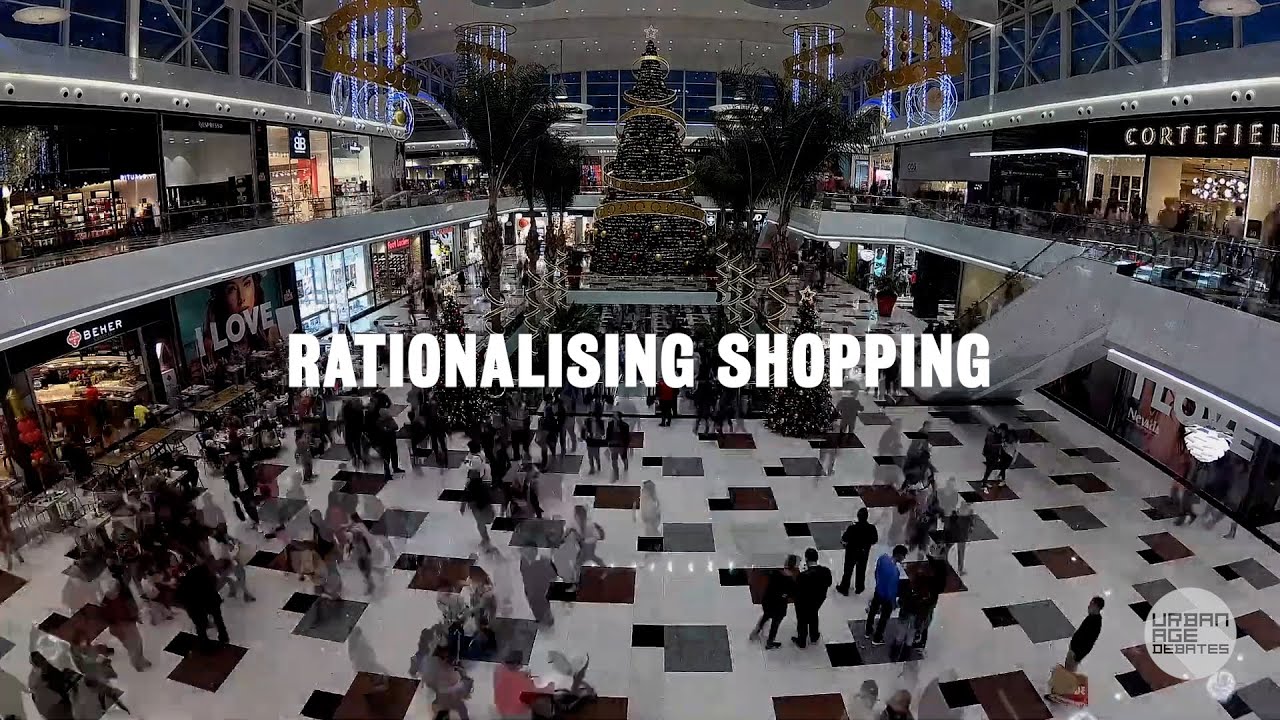
Urban retail is undergoing a significant reinvention that began well before the global pandemic, driven by the long-standing challenges posed by e-commerce to traditional recreational shopping in cities. Concurrently, ethical concerns regarding cheap labor and the escalating climate emergency have intensified scrutiny on hyper-consumerism, accumulation of goods, and discard culture. The pandemic acted as an accelerant for these existing trends, fostering new lifestyles and consumption habits that are set to bring profound changes to the shopping and retail sectors, with far-reaching implications for urban spaces dedicated to mass consumption.
Concrete shifts are already visible in the landscape of city commerce, characterized by the displacement of physical retail spending and multiple structural transformations within the industry. The demand for grocery deliveries and direct wholesale distribution has surged, while efficient e-commerce platforms and rapid fulfillment systems have been developed to meet these needs. Furthermore, product diversification is being pushed forward as non-essential brick-and-mortar stores faced the difficult choice of closing their physical locations or transitioning their businesses entirely online during government-imposed lockdowns.
The impact on consumer behavior has been particularly stark, with vast numbers of people turning to online shopping and many choosing not to return to physical shops even after they reopened. Online retail giants like Amazon emerged as major beneficiaries of this shift, highlighting the permanence of these new patterns. This reality forces us to confront the question of whether these evolving consumption habits are permanently altering our cities and if they can serve as a catalyst for positive change rather than just a disruption of traditional economic models.
Ultimately, the future of shopping districts in our cities requires a realistic assessment of how these new consumption patterns are reshaping urban environments forever. The transition from physical to digital retail is not merely a temporary adjustment but a fundamental restructuring of how people interact with goods and spaces. As the sector continues to evolve through efficiency and diversification, the focus must shift towards understanding whether this transformation can be leveraged to create more sustainable and ethical urban ecosystems that address both economic viability and ecological responsibility.
Read the full video transcript
[Music]
urban retail is being reinvented
even before the pandemic e-commerce was
challenging recreational shopping in
cities ethical concerns about cheap
labor were becoming more prominent and
the climate and ecological emergency was
prompting questions about
hyper-consumerism the accumulation of
more stuff and discard culture in the
wake of the global pandemic new
lifestyles and consumption habits are
emerging which will accelerate changes
in the shopping and retail sector with
profound implications for cities and
their spaces of mass consumption
concrete changes are already evident we
are witnessing the displacement of
physical retail spending and other
multiple structural changes in the
sector such as the demand for grocery
deliveries and direct wholesale delivery
increases the introduction of efficient
e-commerce platforms and prompt
fulfillment being developed and product
diversification pushed forward
as non-essential brics and mortar retail
stores had no other option than to close
and move their businesses online over
the course of multiple government
lockdowns vast numbers of consumers turn
to online shopping and many customers
are choosing not to go back once shops
reopen
with online retail giant amazon emerging
as one of the winners of covet 19 we
should be realistic about the future of
shopping districts in our cities by
asking if the new patterns of
consumption are changing our cities
forever and whether they could be a
catalyst for positive change
[Music]