Video summary
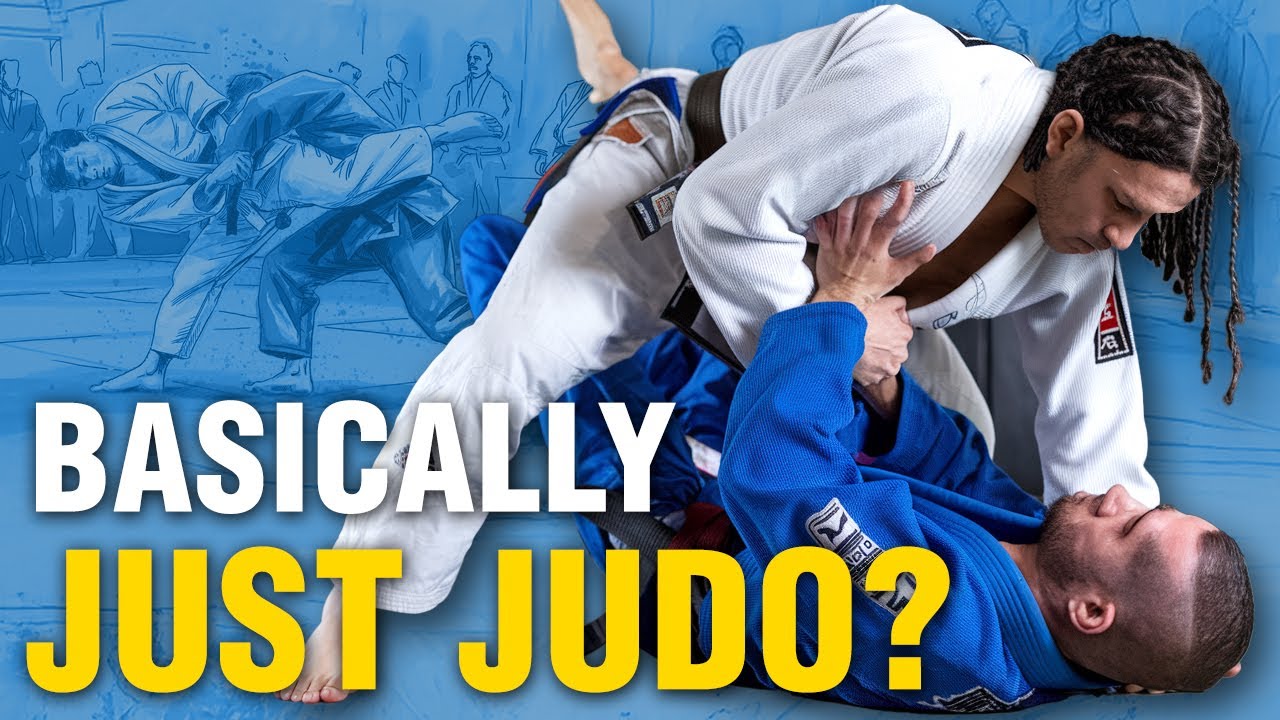
The debate between Judo and Brazilian Jiu-Jitsu often feels like a clash of loyalties among martial artists, yet understanding their distinct histories reveals why these differences matter. Judo was founded by Jigoro Kano in late 19th-century Japan with a holistic vision that combined physical prowess with mental discipline and moral development, refining traditional jiu-jitsu techniques while removing dangerous strikes to focus on throws and pins. In contrast, Brazilian Jiu-Jitsu emerged from the Gracie family in Brazil, where smaller practitioners like Helio Gracie adapted these fundamentals to emphasize leverage and body mechanics. This adaptation was driven by a necessity for practical self-defense, leading to a profound specialization in ground fighting that allowed weaker individuals to overcome stronger opponents through intricate systems of guard work and submissions.
The core divergence between the two arts lies in their primary focus and execution during training and competition. Judo prioritizes the standing exchange, aiming for decisive throws that can end a match instantly by taking an opponent to the mat; while groundwork exists in Judo, it often serves as a follow-up to secure a pin or quick submission rather than the main event. Conversely, Brazilian Jiu-Jitsu revolves around the philosophy that most fights inevitably end on the ground, making mastery of ground control paramount. Practitioners spend significant time navigating various guard positions, executing sweeps to gain top control, and utilizing a wide array of joint locks and chokes, whereas Judo training heavily emphasizes timing, balance, and using an opponent's momentum against them through drilling throws like hip and shoulder techniques.
Competition rules and dojo atmospheres further highlight these philosophical differences. Judo competitions reward high scores for clean throws and immediate victories via ippon, often restricting certain leg attacks and limiting the duration of ground engagements, while Brazilian Jiu-Jitsu matches allow a broader range of submissions including many leg locks and encourage long, strategic positional battles to set up submissions. Additionally, Judo dojos typically retain traditional Japanese etiquette with formal bows and structured technique drilling, whereas BJJ academies often feature a more relaxed environment focused on live sparring or rolling to test techniques against resistant opponents in an exploratory manner. Ultimately, the choice between them depends on individual goals, whether one seeks the dynamic explosiveness of stand-up grappling and tradition or the intricate world of ground fighting and leverage-based control.
Read the full video transcript
Let's step into the fascinating and
sometimes fiercely debated world of
grappling. If you've spent any time
around martial arts, you have likely
encountered the spirited, shall we say,
discussions between the practitioners of
judo and Brazilian jiu-jitsu. Now,
despite the fact that these two arts
share a significant chunk of their
history and at a glance, some similar
techniques, the passions run deep and
the loyalties are strong. You might hear
talk about the superiority of a decisive
throw or the beauty of an epon. And then
you'll hear BJJ folks touting the mantra
of position before submission,
emphasizing the intricate dance of
ground control. Now to the outsider, it
might seem like splitting hairs. There's
even a saying among some judo circles
that BJJ really stands for basically
just judo. You know, they both grapple.
What's the big deal? But just like we've
explored with the nuances of different
karate styles, understanding the core
philosophies and the distinct evolutions
of judo and BJJ can unlock a deeper
appreciation for both arts and more
importantly inform your own martial arts
journey. So why should you care about
this grappling showdown? Well, whether
you're a seasoned Matt veteran or just
curious about dipping your toes into the
worlds of throws and submissions,
understanding the fundamental
differences between judo and BJJ can be
a gamecher. It can help you choose the
right path for your goals, understand
the strengths and weaknesses of
different grappling styles, and might
even bridge that sometimes contentious
gap between the two communities. To
truly grasp the distinctions, we need to
take a quick look at where these arts
came from. It's a story of evolution and
adaptation, much like the journey of
karate from Okinawa to mainland Japan.
Judo, meaning the gentle way, was
founded by Jigoro Kano in the late 19th
century in Japan. Kano was a dedicated
student of various jiu-jitsu styles, the
traditional Japanese arts of unarmed
combat. However, Kano envisioned
something more than just a collection of
fighting techniques. He aimed to create
a modern martial art that emphasized not
only physical prowess, but also mental
discipline and moral development. He
meticulously selected and refined
techniques from jiu-jitsu, notably
removing the more dangerous striking
elements and placing a strong emphasis
on throws and pins. Kano was very much
like his good friend Shotokan Karate
founder Ginchin Fukoshi who adapted
Okinawan Karate in a very similar
fashion. Now fast forward to the early
20th century and we find Kano's
teachings making their way to Brazil
through one of his students Mitsio
Mietta. Now I'm going to put an asterisk
on this one here because this is
accepted history but there's also debate
about the accuracy of this. Mietta, a
skilled grappler, eventually connected
with the Gracie family. And it was
within this family, particularly under
the guidance of Carlo Gracie and later
his younger brother, Helio, that a
significant transformation began. Helio
Gracie, often smaller and less
physically imposing than his opponents,
focus on adapting miatus techniques to
emphasize leverage and body mechanics,
allowing a smaller, weaker person to
potentially overcome a stronger one.
Now, this led to a profound focus on
ground fighting and the development of
intricate systems of guard work, sweeps,
and submissions. So while this is
generally accepted as the origin, there
is a significant amount of contrary
evidence to a perhaps different origin
of a mixture of influences that the
Gracies picked up over the years and
then marketed as their own system. I
highly recommend the book Opening Closed
Guard by Robert Dale. It's a pretty
compelling argument about the true
origin of BJJ. Now there's a link down
below in the description if you're
interested as well as our interview with
Mr. Dale himself. So now you see the
lineage but also the divergence. Kano in
Japan refining and codifying grappling
with a holistic vision. And then you've
got the Gracies in Brazil taking those
fundamentals and specializing the ground
combat out of necessity and a drive for
practical self-defense. Let's break down
some of the key areas where judo and BJJ
differ in their approach and
execution. One of the most immediately
noticeable differences lies in the
primary focus. Judo places a significant
emphasis on the standup exchange. The
goal is simply to execute a powerful and
decisive throw that puts your opponent
on their back hard. A wellexecuted throw
can end the match instantly. While
groundwork is part of judo and
historically was far more extensive than
we see today, it often serves as a
follow-up to a takedown with the aim of
securing a pin or a quick submission. I
mean, after all, why spend all that time
on the ground when you can end things by
hitting your opponent with the earth?
flawless victory.
Brazilian jiu-jitsu, conversely,
prioritizes the ground fight. The
philosophy often revolves around the
idea that most fights eventually end up
on the ground anyway, and therefore
mastering ground control and submissions
is paramount. BJ practitioners become
highly skilled in navigating various
guard positions, sweeping opponents to
gain the top control, and utilizing a
wide array of joint locks and chokes to
secure the submission.
[Music]
This difference in focus, you know,
naturally leads to a divergence in the
techniques that are heavily emphasized
in training. Judo classes will typically
involve a lot of drilling of different
throws, hip throws, shoulder throws,
foot sweeps, and more. The emphasis is
often on timing and balance, and
utilizing your opponent's momentum
against them. In BJJ, a significant
portion of training is dedicated to
learning how to control your body and
opponent on the ground. Takedowns tend
to be lower, quick, and act as a smooth
transition to grappling. You'll spend
time understanding different guard
variations, you know, such as the closed
guard, open guard, butterfly guard, etc.
Practicing sweeps to reverse positions
and meticulously learning the mechanics
of various submissions like arm bars,
triangles, and rear necked
chokes. The rules of competition further
highlight the distinct priorities of
each art. Judo competitions often reward
decisive throws with high scores, and a
clean epon results in an immediate
victory. While groundwork is permitted,
there are often time limits and certain
leg attacks are typically prohibited in
standard judo rule sets. BJJ
competitions generally allow a broader
range of submissions, including many leg
locks that are often restricted in judo.
Matches can be longer and more strategic
with competitors often engaging in
intricate positional battles on the
ground to set up submission
[Music]
attempts. You might also observe subtle
differences in the atmosphere of a judo
dojo versus a Brazilian jiu-jitsu
academy. Judo often retains more of the
traditional Japanese martial arts
etiquette with formal bows and strong
emphasis on respect for the instructor
and training partners. There's typically
a structured approach to learning with
dedicated time for technique drilling
and randori. BJJmies can sometimes have
a more relaxed in the formal field.
Although respect is still a core value,
training often involves a significant
amount of time of rolling or live
sparring where a student has the
opportunity to test her techniques
against resistant opponents in a more
open and exploratory manner. Ultimately,
the choice between judo and Brazilian
jiu-jitsu, much like the decision
between styles of karate, boils down to
your individual goals and preferences.
If you're drawn to the dynamic and
explosive nature of standup grappling,
and you appreciate the discipline and
tradition of a Japanese martial art, and
you're interested in developing powerful
throws, judo is an excellent fit. If
you're more intrigued by the intricate
world of ground fighting and you want to
learn how to control and submit
opponents of any size using leverage and
technique and you prefer a more open and
experimental training environment, well
then Brazilian jiu-jitsu may be the path
for you. And just as cross trainining
can broaden your understanding and
striking arts, incorporating elements of
both judo and BJJ into your training can
make you a more well-rounded grappler. A
judoka with a strong ground game and a
BJJ practitioner with a solid takedown
skills are formidable opponents. So,
instead of getting caught up in the
which one is better debate, take the
time to explore both judo and Brazilian
jiu-jitsu, visit local clubs, try
introductory classes, and see which art
resonates with you on a deeper level.
The mat awaits, and a journey of
grappling mastery is a rewarding one,
regardless of which path you choose. And
if you come from a striking art
background, such as karate, then either
one of these disciplines would serve as
a wonderful supplement to your training.
And speaking of karate, we have a
similar separation of sister arts when
it comes to karate from Japan or
Okinawa. They may look the same on the
surface, but they are distinctly
different. And they both serve very
different purposes.