Video summary
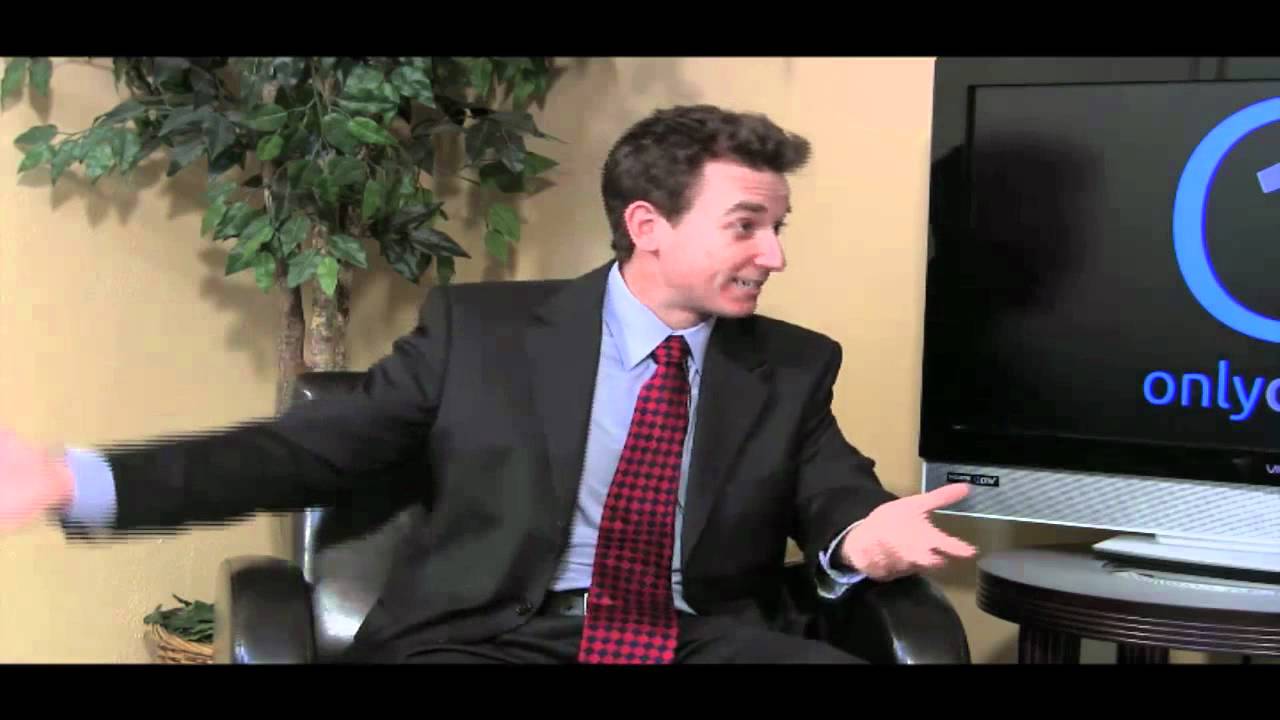
Matt Wilson, co-founder of Under30CEO.com, established the platform three years ago as a vital resource hub designed to empower young entrepreneurs with news, advice, and networking opportunities. His motivation arose from his time at Bryant University, where he observed a lack of entrepreneurial support despite an environment focused on corporate careers; upon graduating, he expanded this concept globally to address high unemployment by encouraging individuals to create their own jobs rather than relying on traditional employment or unpaid internships. The site specifically targets a generation comfortable with technology who can rapidly scale tech-based businesses from modest beginnings like dorm rooms, though the brand's catchy name has attracted an older demographic as well, including followers over sixty years old.
Success in entrepreneurship is presented not merely about having a great idea but primarily about effective execution and finding genuine passion to drive it forward. Wilson advises young founders to study existing business models of successful figures like Oprah Winfrey or Leo Laporte before launching their ventures with minimal resources such as a simple webcam. A core philosophy emphasized throughout the discussion, reinforced by Gary Vaynerchuk's *The Thank You Economy*, is the importance of building long-term customer relationships through authentic engagement rather than relying on automated responses from third-party support services. This approach fosters trust and sustainability, which are crucial for navigating the competitive landscape where execution often outweighs the initial concept in determining a business's fate.
Beyond general strategy, the conversation delves into Bitcoin as a decentralized electronic currency that offers significant benefits such as an immutable finite supply capped at 21 million units, infinite divisibility for micro-transactions, and security features like USB keys that allow minors to access funds without traditional banking approval. While proponents highlight its low fees and potential for long-term value appreciation compared to gold or silver, Wilson also outlines serious drawbacks including extreme price volatility, legal ambiguities regarding its status as non-government-issued currency, and risks associated with theft from untrusted "Bitcoin banks" or computer viruses targeting wallet files. Despite these challenges, the technology remains a powerful tool that bypasses traditional banking regulations, offering an alternative financial ecosystem alongside emerging trends where young entrepreneurs are diversifying into fields like real estate while still leveraging technological tools.
Ultimately, Wilson stresses that building successful ventures requires more than just technical skill; it demands strategic mentorship and relationship management to overcome inevitable business hurdles. He suggests that when approaching potential mentors for advice rather than immediate money or jobs, one should conduct thorough research on their career path to avoid asking uninformed questions, keep communications brief and polite, and time requests appropriately during periods of downtime. While studying a mentor's work can be effective initially, Wilson argues that two-way peer mentorship within mastermind groups is the ideal solution for tackling tough challenges together. This collaborative approach allows entrepreneurs to share insights without financial barriers, fostering an environment where individuals support each other in scaling their businesses and navigating complex issues like insider trading risks or regulatory changes inherent in unregulated markets.
Read the full video transcript
[Music]
Heat. Heat.
[Music]
Hey everybody and welcome to the Bruce
Wagner show. Today I have a very special
guest. His name is Matt Wilson and he is
the co-founder of Under30 CEO. Welcome
Matt. Thanks for having me Bruce. So
tell us what is Under 30 CEO about?
Sure. Uh Under30 CEO is a website for
young entrepreneurs. Um, it is place for
news, uh, advice, interviews, um,
events, anything that has to do with
people of our generation that want to go
out and start a business, we want to be
the go-to place. Cool. So, um, and of
course, I'm not, well, I'm not really
29, even though my Facebook says I'm 29.
I just say I have 29 years of
experience. Yeah, that's it. There you
go. So, I don't know what what is the
under under 30 generation called now.
Gen Y. Gen Y. Okay. For millennials.
Millennials. Okay, cool. Like like
Windows Millennium. No, but not a
failure like Windows Millennium. Uh I
hope not. That's yet to be seen. So,
it's for young entrepreneurs. Now, this
is really timely because um in this
country, we have this economic crisis
going on and and uh so many people are
are looking are unemployed. They're
looking for jobs. Um, we actually placed
an ad for unpaid interns and in the fir
like in 48 hours we got 98 resumes. Wow.
Yeah. I mean that tells you something
about the current situation of it was
very clearly this is unpaid internships
and everybody's just looking for work.
But this is uh being an entrepreneur is
a thing that a lot of people are not
considering. If you're if you don't have
a job, make your own job, right? Start
your own business. That that's exactly
right. That's where we want to be at the
edge of that paradigm shift where people
aren't, you know, we realize that people
aren't just handed their highpaying job
when they're handed their diploma these
days anymore. So, Exactly. Exactly. So,
you know, if if you're at home and you
can't find your own job, well, you can
create, you know, you can create your
own job. Um, and so that's we're trying
to give people the tools and resources
to be able to go out and do that. Okay.
So, how well let me first back up a
little bit and say how long has under30
CEO.com been around? So, we've been
around for three years. Three years.
Okay. And um how what inspired you to uh
to start this this whole organization
around it? Sure. So, when I was co in
college, I was president of the
collegiate entrepreneurs organization uh
at Bryant University. And so, I don't
know how much you know about Bryant, but
it's a small private business school
about 3,500 students. and it's really
heavily focused on corporate finance and
accounting. And I mean, literally, you
you see people walking around campus in
suits. And uh today I don't normally I
don't normally wear a suit, but you
caught me in one today. Um but it just
wasn't I I wanted I got there and I
said, "Well, wait a second. Where are
all the resources for entrepreneurs?
This is a great business school. What if
I want to go out and my do my own
thing?" And everybody said, "Oh, well,
you know, you can't do that here." And
so we said, well actually you can that's
the whole point is you can just go out
and make things happen for yourself. So
we got together about five students um
grew the organization into 150
entrepreneurs. Uh we had Ted Turner and
Kenneth Cole come and speak on campus.
We had the world's largest elevator
pitch competition and we were just
surrounded by this amazing environment
of smart young innovative people. And
then of course I graduated and moved
home moved home to the suburbs and I
said well wait a second where did it all
all go? And I said well if I was able to
do this on a campuswide level why can't
we do this online on a global level? So
that's what we set out to do. and you
have um you're on you you're have an
organization on meetup.com which is a
great tool for organizing inerson
meetings and meetups and of course then
you you created this website and that's
the center uh I guess yes we want right
we want people to come and get their
news their advice see interviews with
with veteran entrepreneurs who have done
it before and then the young people who
are making millions of dollars out of
their dorm room and so we want people to
come there for the content and and also
come to our events. Um, I know you just
interviewed Sharon Lectar and so we just
had Sharon come and speak at one of our
events in the Empire State Building and
uh I mean she sold 27 million books.
Yeah. For those who don't know who she
is offhand, Sharon is uh co-author of
Rich Dad Poor Dad and and I don't know
something like 17 books like 15 books in
the Rich Dad Poor Dad series and then
two more since then that she's just
published this year. uh along with uh um
uh what's his name? Napoleon Hill.
Joining a blank. So tell me, okay, now
if I'm uh a young person, I' I've just
graduated. I've got, you know, a
fantastic degree and no job and I want
to become an entrepreneur and start my
own business. What's the best way to
figure out what what type of business
should I get in that that's going to
actually be lucrative now? Sure. So, we
always try to tell people, okay, look,
figure out something that you can do
every single day just like you're doing
with, you know, with your uh w with your
business. You know, it's something that
you absolutely love. I could just tell
when I walked into the studio. I mean,
it's a vibrant place and you guys wake
up every day and you say, "This is what
we want to do here." Um, but finding
that that passion is very difficult for
a lot of students. Um, and that's what
you know your your time as a student is
for is to go and and figure out get a
broad range of experiences and figure
out what you are passionate about. Meet
lots of people from different
backgrounds. Go out and travel. Um, have
interesting discussions with people who
are are doing it and go and study what
that is that they're they're doing, how
they're making money. Um, but most
importantly, it should be something that
you love. That's that's we really really
drive that point home. Yeah. I think um
my opinion is that it's not hard to find
what you're passionate about. That's
easy. Just just uh take a vacation and
do what you love. Or think imagine if
you won the lottery and you're
independently wealthy suddenly. What
would you be doing with your day all
day? I mean after you got over the fun
of it, you know, what would you really
want to do every day for because you
just love it. That's easy. But having
the courage to actually figure out how
to make a business out of it and then
actually take the action and make a
business out of the execution. That's
the tough part. So I just um I just came
from the New York Stock Exchange and saw
Mark Cuban speak. Um he was a
billionaire. He's a billionaire. They're
owns the Dallas Mavericks and he said
it's not, you know, everybody has ideas.
It's not the idea that's the hard part.
Everybody thinks they're a genius
because they have a good idea. Well,
that's certainly not the case. It's the
people who execute and that's what uh
you know we say go out and do what
you're passionate about but you're
you're absolutely right. It comes down
to is this a a business model that's
going to make you money and can you pull
it off, right? So you you know you can
look at um I mean it's obviously easier
if you pick something that someone else
has done before. if you if nobody's ever
done it before. Uh it's not to say it's
impossible, but it's uncharted territory
and it's a real uh kind of a crapshoot
to determine whether it's going to be
profitable. What I did though, like in
when we started Only One TV is I looked
at other people and I mean from every
spectrum, I look at Oprah Winfrey on one
end and I look at like Leo Leaport on
Twitch TV on the other end and I I study
and study and study. I watch the every
intricate detail about how they do it
technically and and all that. Not to say
that I'm comparing myself to them, but I
but these are people that are my mentors
whether they know it or not. Right. Who
who are some other people like Leo that
you look at who are independent media
people. Um so many uh well revision
three um you know Kevin Rose. Exactly.
Yeah. I mean uh and there's so many
there's uh was it new now that now I
think Google bought them and there's
there's a lot of them now. But uh I I
mean really I I looked a lot at Leo
Leaport for how he did it technically
because obviously we don't have millions
of dollars of uh you know we don't have
Harpo Studios here and 200 people on
staff to produce shows. So it's like on
a shoestring. Um we literally you can
start out with we started out with a
webcam on a dining room table but um you
know it gets a little bit more
sophisticated but that's the beauty
that's the beauty of it. You know,
anybody can I I have friends who started
their business with $50 in a Twitter
account and people say all the time, is
that a business? Well, it is if they're
making money. That's right. So, that's
what matters. Yeah. No, I like what you
guys are doing. So, I want to talk more
about that. So, speaking of making
money, we got to thank our sponsors. Uh
this episode of uh the Bruce Wagner Show
is brought to you by Mount Gaus, and we
are very grateful to have them as our
sponsor. Mount Gaus, if you uh I was
just uh giving you Matt an article from
Forbes about Bitcoin, introducing you to
that. Bitcoin, if you haven't heard of
it, is uh is the money of the future, we
call it. It's like the most exciting new
technology since the invention of the
internet itself. It's a completely
distributed decentralized electronic
currency. It's like electronic cash, but
it's not issued by any bank or
government or organization or company or
anything. So, it's like the internet
itself. Remember the dot boom where
everybody wanted to buy some internet?
That's going to be the next big thing.
Well, this is kind of like the internet.
It's not controlled by anybody. It's
peer-to-peer uh network created on open
source software. It's a fascinating
thing. So, to learn more about Bitcoin,
you can go to bitcoinme.com. It's bi t o
i n by the way,
me.com. But Mount Gox, so Mount Gaus,
where does they come in? They are there
are dozens now of online exchanges where
you can buy Bitcoin for cash or sell
Bitcoin for cash. Are they doing it on
Facebook yet? They Well, not on
Facebook, but they there are uh like
there are pages like there's a page on
Facebook called I buy and sell Bitcoin
for cash. So, you can just search search
fa b uh Facebook for Bitcoin and you can
find them. But the uh you can do it with
local people. You can find somebody in
your neighborhood who wants to exchange,
but from the comfort of your home, you
can literally go online 24/7 and use an
automated exchange site. And that's what
Mount Gox is. Mount Gox is u number one.
They've got more than 90% market share
and they've been around the longest.
Very very trustworthy, reliable uh site
and company. So they they charge a fee,
but it's very very minuscule little fee
like about like just less than 1% 65 or
something like that percent for the
exchanges. But it matches up buyers and
sellers all over the world 24 hours a
day completely automated and up in 16
currencies. So it doesn't matter if it's
US dollars or whatever, you know,
Japanese, yen, it doesn't matter what it
is. So you can buy and sell Bitcoin for
cash. And that's what Mount Ox does.
Now, they also have you can use it as a
Bitcoin wallet. It's extremely secure.
They have this thing u two-factor
authentication they call it. It's a
little USB key. It's tiny like a little
dongle thing that you put on your
keychain. Literally, it's tiny. And you
stick that into the USB port and you
can't log in without it. So, even if
you're using a public computer that's
full of viruses, it doesn't matter. No,
nobody can get in without that USB key
cuz it gives it a password that's only
good for 2 seconds. Interesting. Really
cool. So, it's super super secure
online. And they also have apps for your
Android phone, too, so that you can send
and receive Bitcoin and barcode
scanning, all kinds of stuff. It's
called Mount Gox Mobile. So, uh, check
it out. It's mtggo x.com. And we thank,
uh, Mount Gox, um, very much for
sponsoring the show. And the Thank You
economy, which is a new book by Gary
Vaynerchuk. He is, uh, New York Times
bestselling author. uh his new book, The
Thank You Economy, which you can find
out about at thank you
economybook.com, is fascinating because
actually you would be totally into if
you haven't heard, you've already read
it. You already you know about Okay, I
was going to say if you haven't, you
really need to, but it's all about right
up right up what we're creek what we're
talking about and that is uh social
media. You could probably tell me more
about it, but it's uh it's about using
the latest technology, the internet,
social media, social networking, and all
that to uh make your business, your uh
21st century business into uh more like
the old days where customers get a real
personalized handholding experience
instead of and oh, that's what I was
going to tell you. When we had Sharon
Lecter on the last episode, uh, one of
the things that she talked about was the
difference between a business that's set
out to make money versus a business
that's set out to create relationships,
long-term relationships. Interesting.
And, you know, to create relationships
with customers. And that's the
difference. You You can't You can make
money just by selling anything and have
it be garbage and have no customer
service and no support. But to create
relationships means you got to sell
quality and give them a personalized
experience. I I saw Gary give a keynote
at Big Omaha and he actually went up
there and said, "Look, I'm not sitting
here trying to sell you my book. I'm
sitting here trying to create a
relationship with you for the next 60
years and pretty much just walked off
stage." There you go. That's that's
really all you have to say. That's
really what it's about. So, it's a
fantastic book and I've been a huge fan
of Gary's anyway for, you know, way back
before this. But uh but I think this is
his uh you know his best work yet. So uh
yeah, so we thank Gary and uh you got to
check it out. If you don't if you
haven't already read it, go to thank you
economybook.com and check it out. Uh
it's just called the Thank You Economy
by Gary Vaynerchuk. So thanks Gary.
Yeah, thanks Gary. All right, where were
we? What was I I completely lost track.
We we got into the thank you economy and
uh I guess well I was going to say which
I already did I guess is that uh Sharon
was talking about the difference between
u selling things just selling things and
which there are a lot of businesses that
are that have that model we know who
they are because you know those are the
ones that you drop as soon as you have
an opportunity to switch but um and
creating a relationship. There are so
few businesses that actually do that
that go out of their way to to cater to
the customer to really have a good
experience. And you know, even like Gary
Gary's book, you know, explains u in my
experience like you can get on Twitter
and um tweet something about some random
product or company and you'll get a
reply a lot of times because they have
people monitoring their own brand. Um
but then most of the time they drop the
ball. You know, they'll say, you know,
what about this? did you see our website
or whatever? They'll try and direct you
somewhere, but then I'll say, "Well,
this is the problem I'm having." And
then they just drop the ball. They just
don't go anywhere from there, you know?
So, it's about an actual relationship. I
I saw in your lobby you had uh the the
Zapos book of company culture, which
Tony Zapos is awesome, too. Yeah. They
don't uh they don't drop the ball.
That's right. That's right. Exactly.
That's a perfect example. And like um
you know Tony is very active on Twitter
and very approachable and so is Gary
obviously. I mean you can literally
tweet him and you will get a reply from
him. I mean maybe not right away but
sooner or later you you probably will.
And uh I mean I actually had was it last
summer like last June or July or
something like that. Uh Tony actually
sent me a tweet asking for my opinion
about something which is just like wow
that blew me away. Like that's really
cool. Yeah. Yeah. Really cool. So, it's
not only for uh addressing complaints or
problems or whatever, uh but they the
really really smart shrewd CEOs actually
use it to directly communicate and ask
questions. No, that that's exactly
right. I mean, we we surf everything
that's said. If if someone says
something or links to under 30 CEO, I
mean, we're on it. We know if I know we
know exactly what's been said and we
reach out all the time. I mean, that's
literally how we grew our site from
scratch is we had no idea how to drive
traffic or anything about search engine
optimization or we just said, "Hey,
let's help as many young entrepreneurs
as possible." And then if we do that
successfully, they'll tell all their
friends, right? And it's it's worked so
far. Now, like like like I was saying, a
lot of companies have that part. I mean,
not everybody. Most most don't, but a
lot of them do where they're monitoring
what's said about them. Sure. and then
they respond. But um then the next level
is like I was saying is actually
responding and then keeping a dialogue
going. So the person says, you know, I
have a problem with this service, you
know, and I I can't get the product was
never shipped or it was damaged or
whatever, and I and I can't get through
to anybody, whatever. It's continuing
the dialogue until the situation's
resolved and keeping that. It's really
an an eternal dialogue. it has to go on
pretty much forever. And actually caring
and not just being a drone behind a a
social media account. I mean, I've
literally met some of my best friends
through the through the under 30 co
Twitter stream and then, you know, I
say, "Hey, I'm going here to this event.
Would love to talk to you more. I really
like what you're doing. Maybe we'll
profile you, etc." And then you get you
build those relationships. And I mean
that's what we're really trying to do
with under 30 CEO is we want to own that
young entrepreneur space so that we know
everybody that is building a business
who is from our generation. Great. Yeah.
And yeah I think it takes to like you
were saying uh really sincerely caring
and also it has to be somebody who has
the um knowledge and the authority to
actually go somewhere make a decision or
or give somebody some direct advice and
and not just bypass it. That's why
outsourcing it to some third party human
robot, you know, I call them software,
you know, when you when you do when you
call some kind of a support line and you
get somebody in some other country and
they they don't even understand what
they're selling much or what they're
doing and they have no authority to do
anything except direct you to the
website and the website directs you back
to the phone thing and it just doesn't
go anywhere. There I mean is there a lot
a lot of companies like that. Well, and
everybody wants to have say, "Oh, I'll
just hire some college kid to do my
social media." Well, you're putting this
person as a forward-facing
representative of your company. So, just
know that you don't have to pay them any
any money, but you're walking a fine
line. Exactly. Yeah. I think that should
be one of the highest paid positions
really because yeah that's that's a I
mean um at least the skills regardless
of what they're paid the the skills and
the knowledge and the authority that
that person has that that has to be um
somebody who really is empowered to give
the customer what they need on a case-
by case basis and and they have to have
the company philosophy just oozing from
them. I mean, yeah. They can't ever have
a bad day and, you know, and chew out a
customer or whatever it is because,
yeah, that is the face of your company
for sure. Yeah. I mean, uh, Rachel,
who's the the chief of digital for all
of New York City, I mean, she makes six
figures and she is she's literally paid
to tweet for I mean, she does a lot more
than just be on Twitter, but that's a
big organization and a big
responsibility and she gets compensated
for it. Yeah. And smart companies know
that. Some of the biggest companies are
they'll advertise that you can, you
know, contact us through Twitter and
whatever and you can you can actually
tweet them and they'll reply, but then
they drop the ball. They just they just
don't go anywhere. And I mean, I know
that uh if you're an enormous, you know,
big box retailer or something like that,
you you um it's hard. It's really really
hard for them to to take care of every
single transaction that way, but they
really they really need to try and they
and sadly very very few do.
They think they're they think they're
too big to fail. Yeah. Exactly. Exactly.
But well, maybe they are to a certain
extent, but uh not really because
wherever there is there's one large
there's another you usually you have
more than one choice for anything you
buy. Yeah. Well, and that's what Gary's
book is all about is seeing the
shakeddown. if if the big companies
aren't aren't seriously performing when
it comes to taking care of their
customers, little guys will pop up and
steal away market share. And if you're a
productive person and you have whether
you're an entrepreneur or or whatever
you do, um time is valuable. Time is
money and and you know, if you just say,
"Well, I just want to buy a laptop and I
want it to work and I want I I want to
get this resolved. I don't have time to,
you know, monkey around with this thing.
So, I'll pay a little bit more to deal
with a company that I know is going to
follow through and and fix this and make
it right. You know, they'll they'll take
a return or they exchange it or they'll
whatever they they just make it right
versus having to go and fight with a
low-level clerk that just says, "No, no,
no, no." You know, you sound like you're
you're speaking from experience. Oh,
yes. Yeah. I mean, who hasn't had that
experience? you know, um you you save a
dollar or two, you know, with these mass
retailers, but it definitely cost you if
you ever have any problem, you know, you
may just have to eat the loss and buy
another one or whatever it is. I agree.
Okay. So, um we talked about if you're
if you're a young person, you and you're
thinking of becoming an entrepreneur and
starting a business, um how to figure
out what to do is to find out what
you're passionate about. What do you do
when um what you're passionate about,
you can't imagine how you could possibly
get paid to do it? Well, like me, you
know, thinking in my example, you know,
uh I love to talk. So, you know, like,
okay, how am I going to get paid to
talk? It's it's hard. You have to be
creative and and think and look for
other people that are doing something
similar, but like say it's um you know,
I love to paint or I love to, you know,
some sort of an artistic thing. I'm a
musician or a dancer or um whatever. I
like to do flower arrangements. How do
you figure out um I mean, of course, if
you love to do flower arrangements, you
could get a job at a florist, but how do
you figure out how to
um the most profitable business to get
into that will use your talent and
whether or not entrepreneurialism is for
you because it's not for everybody.
Absolutely. So, it's it's not for
everybody. The first thing I would say
is go out and read Michael Gerber's
E-Myth because he says, "Hey, there's a
huge difference between, you know, the
artist or the inventor and Yeah,
exactly. And then the person who's
actually a a business owner who can
build that into a scalable entity." Um,
but you know, if you're a dancer or
you're an artist or whatever you are, I
mean, just like you you said, you love
to talk. So, you look at the people who
are going out and doing it. And I'm just
I'm I don't know your full background,
but I'm guessing that you've done
something in this industry before. Um
maybe you've worked on set. You've never
you've never done has anybody on your
team? No. Wow. That's I mean, well, I
mean, people on our team have, but I
haven't. My background is all computers
and IT. Okay. And I' I've worked in, you
know, uh computers forever and I worked
in corporate and uh IT and then I
started my own IT consulting firm, which
means computer consulting for those who
don't know. And I've just been a geek in
computers my whole life. And then all of
a sudden somebody said you should uh
this is really weird story but somebody
said you should host a talk show. My
little brother actually who has never
told me I should anything. And out of
the blue and I thought he was joking. I
don't I don't get it you know. And uh
what's really weird this little weird
story is that like three other people in
the same week that absolutely have no
way of knowing each other. They do not
know each other told me the same thing
in one week. And I was like whoa.
Twilight Zone. That's how it happens.
And then you went and you studied
everything that you could get your hands
on and you said, "Well, what are the
relevant business models that I can make
work?" And then you had to say, "All
right, where are we going to get the
equipment?" And, you know, and I'm sure
you started literally shaking everyone's
hand that, you know, going out and
saying, "Hey, I I really like what
you're doing. You're in this industry.
Let's sit down and have coffee and
figure out how this this business model
could possibly work out." For me, the
way it happened is I said I had no idea
how to what to do with that information.
So, I told my brother, I said, "Okay,
I'll be sure and call Oprah first thing
in the morning, you know, see if she
takes my call." But actually, then what
happened is I was like, "What am I going
to do with this?" I had no idea. And it
took me a few months and I started I
started trying to reach out to people
that knew about the television business
and I asked and I Googled it, of course,
I researched it because I'm into it and
how do you how do you get your own talk
show? the more I learned. I met a guy um
when we lived in Florida who h was like
owns the largest television production
company in Canada and he taught me all
about how to um create a presentation
and pitch an idea to networks. And the
more I learned about it, the more I was
absolutely positive I did not want to do
that. I don't want to be in that
business. If I have to pitch some idea
to a room full of suits who are going
to, you know, make a life and death
decision about my about me and my career
and then maybe just throw me out and
take my idea and have somebody else do
it. I, you know, it's it's uh I was
like, "No, I don't want to do that." You
I want to do it. Yeah. I don't want to I
don't want to, you know, pitch it. I
want to do it. Just do it. And if it if
it survives, it survives. If not, it
doesn't. But that's the way I you know,
I have that entrepreneurial spirit.
Spirit, I guess. That's good. That's
that's the beauty of it. Yeah. But I How
do you do that? And so, but then I
finally woke up one day and went, "Wait
a minute. There's a reason for all this.
There's a reason my background is all
technical and computers and it and I've
been saying for years, all television
will be delivered through the internet
within 5 years. I've been saying that
for years." And all of a sudden, I
realized like, wait a minute, TV is
delivered through the internet. I could
do this myself. Sure. And then who were
So, your brother said, "Hey, yeah, uh,
that's a great idea. You have a great
personality. You should definitely go on
the air." But then who were the people?
I bet you called your mom and she said,
you know, maybe you should stick to
computers. Or somebody said, "This
business model is never going to work.
It's going to take a ton of sponsorship.
Here we are in Midtown Manhattan. You're
going to pay rent on a on a television
studio. How are you going to pull that
off?" Who asked you the tough questions?
Yeah, my parents have uh both had their
transition. They passed away, so they
weren't there. And my brother didn't say
I had a great personality, but other
than
that, and I hadn't even considered, you
know, I mean, this this was actually
like about a three-year period that it
took because it took like for about a
year or two, I was think still thinking
probably at least a year, year and a
half. I was still trying to figure out
strategize how to pitch this to a
traditional network. It took a long time
to figure out that to wake up and have
that aha moment that wait a minute, we
could do this on the internet. Okay. And
then when I started doing that, then I
was researching um the idea of doing it
on the internet. And I think most of my
friends by now that know me, uh my
closest friends and family, they know
that I'm crazy enough to do anything.
And um I don't think anybody actually
said uh I don't think you're going to do
it. I mean, I know most people every you
know, their f especially family like you
know, how you going to uh I always take
this as the biggest insult. I shouldn't,
but I always say one of the biggest
insults you can ever say to someone is
these two words. Be realistic. When your
parents or your friends or your loved
ones or whatever, your spouse even, you
know, you have this dream and you want
to, you know, whatever. I want to have a
a uh, you know, whatever, an ice cream
truck or something and whatever kind of
business you want to do. I want to I
want to sell uh, you know, silk
plants, whatever. Yeah. And they say,
"Look, be realistic. you know, just get
a job and all that. Um, it's really to
cut you down. It's to say like, I mean,
they don't intend it that way, but um,
it really has that effect. It's it's
just saying, "Look, you're not good
enough. Do what, you know, do what
everybody else does." And it's really
not about you. It's about themselves and
their own fear. It It's true. And so,
you're the one who's going out and doing
it. Everybody else is just saying, "Oh,
be realistic." Um but what we always
tell our entrepreneurs is we say hey
look you know believe in yourself and
all that and surround yourself with
positive people etc. But have those
people in your life that you can go to
who know business and can ask you the
tough questions and can poke holes in
your business model and you know throw
yourselves to the throw yourself in your
business to the sharks once in a while
and hand over that business plan and let
someone go crazy on it and point out all
the potential flaws so that you can come
up with answers to them. And if you can
answer all those tough questions then
you've got yourself a good business.
Exactly. I I say, you know, like if if
someone has the right to say be
realistic to me, only if they're in the
exact same business and they're already
super successful, then I'll hear that,
you know, then I'll hear what whatever
they have to say about being realistic.
But even I mean, hardly anybody even if
you're in the same business, you can be
in a completely different twist, a
different take on it. And you know, old
media, new media, completely different
thing. So um they the rules don't even
apply necessarily. you know, for an old
media talk show, for example, and a new
media talk show, it's very different
business, very different business model.
Everything's changed. So, that's exactly
right. I mean, we've thought about it a
whole lot with under 30 CEO and said,
"Hey, look, we're not Forbes or Fortune
or, you know, CNBC, but we still want a
ch piece of the pie." Sure. So, speaking
of that, speaking of business models,
what is the business model of under 30
CEO? So, our business model is based on
sponsorship. Um, so we have people that
come to the site and see uh not only
just your traditional banner ads, but we
want to have integrated campaigns. So
someone wants to promote an email
marketing uh software. And so we want to
say, hey, this is we're going to give
you something that's going to be easily
found on a search engine. Sure, you're
going to have banner ads. Um, maybe, you
know, 7% of people who come to the site
will click them. Maybe, maybe not. Um,
but you're gonna read, you know, maybe
this this email marketing company wants
to write an article on our site that's
clearly sponsored and is transparent
that this is written by the email
marketing company, but 10 tips to create
a great email campaign. Um, and that's
that kind of content um is is the stuff
that actually is going to sell just like
we, you know, just like you did before
for the thank you economy and then we
got in a whole conversation about it.
It's good relevant content and it's it's
sponsorship, you know, it's sponsorship.
And so then we have in-person events
which like I mentioned um we had one on
the on uh the 60th floor of the Empire
State Building. We're having another one
in December. And so we bring in young
entrepreneurs and we say, "Hey, let's
get together and network and listen to
speakers and have discussions with other
like-minded people." Um we're planning a
conference, etc. Um, and then
eventually, I mean, we literally want to
own this entrepreneurial ecosystem. We
want to say, "Hey, we know everybody
who's building businesses right now. How
about we help them get to the next
level?" Um, and so we want to start
investing in startups for sure. Why
under 30? Why are the under 30? You
know, if I had a dollar for every time
someone asked me that. And what happens
when I turn I think I know the answer,
but I want to ask you. Yeah. Honestly,
um we honestly it's it was just a catchy
brand name at the time. Um it's we we
sometimes joke and say it's like 17
magazine that everyone is 17 who reads
it who reads it. Everyone is Exactly. Um
so there we actually have lots of
follow, you know, we have lots of
followers and readers who are well over
30. Um we even have a guy who now goes
on Twitter by over 60 CEO. He has a talk
show in Brazil that we've been on and he
liked us so much that he started
branding himself like that. Um, so but
really it's all about the mindset and if
you want to go out and do something that
you really love and you're passionate
about it and you are willing to make a
lot of sacrifices in the beginning that
we want that to be our the place. Do you
find that there is um a a clear gener
generational difference? because I'll
say um my from my experience I've
noticed and I point out this that um
it's become to me it's becoming more and
more distinct that every decade and now
it's like maybe every 5 years and age is
a huge difference because when it comes
to um not only worldview but um
especially when it comes to technology
when you know people over 60 you know
some barely can work a mouse you know
people over 70 don't know what a mouse
is you know if you're um under a certain
age, you grew up with Twitter. I mean,
everybody, you know, they they grew up
with Twitter. Twitter and Facebook are
P, you know, and they just really
understand um that these tools and how
they could be used and they're just
their mind is completely born open to
these new technologies and new ways of
of living. Whereas the older generations
are really fixed in the way things are
and the way things were. And you know
what I mean? We I think it's human
nature actually that it's always been
this way. You have a brick and mortar
store and Oh, absolutely. That's how we
look at things, brick and mort. And most
of our under 30 CEOs, I mean, we've we
published our top uh 30 list. And I
mean, a huge huge percent of percentage
of them were tech startups because
people, you know,% uh I don't know what
the exact percent is, but I would be
willing to guess and say 80% were tech
startups. Um, but it's because these
these people are are multi
multi-millionaires or billionaires in
Mark Zuckerberg's case and they, you
know, but they were able to build
businesses that could scale that
rapidly, you know. So when you're 18
like Zuckerberg and you have this
amazing business idea and you execute
over the next eight years, well then all
of a sudden you know you find yourself
at like 25 years old and you have a a
multi multi-million billion dollar
business in his case. It's it's that
scalability that's so attractive um in
the tech world and that's why so many
young people are taking advantage of
that. And when you say tech startup, are
you referring to like anything that's
online as a tech startup? So like if I
started a uh you know a pet toys.com
that would uh that might be a real
company. I don't know. But anyway, if I
start something anything that's online
is that do you consider that a tech
startup? Yeah, I I I think so. I mean I
use the term very vaguely. Um pets
pets.com didn't turn out so well in the
'9s. But the good news is this time
around everybody keeps asking, hey, is
there a bubble? Well, there there is a
bubble for sure because many of these
companies are going to fail. But at
least they're all based on solid
business models where other in other
times in history like the dot bubble,
people said, "Hey, we can just come up
with a flashy domain name and it's going
to work." Um, but these are these are
real businesses and people are starting
them in their dorm rooms. Yeah, that's
what I say about that. The uh that's why
actually speaking of
of bubbles and the internet and people
at that time people didn't understand
the difference between the internet and
just anything.com. So they're like that
internet that's going to be big. I think
that internet's going to be the next big
thing and everybody knew it's obviously
sure and then they raise an IPO and then
yeah bunch of people just lose all their
money on it. I takeyourmoney.com, you
know, let's invest anything.com and
they'd invest. And so, you know, but
yeah, I mean, obviously it has to be now
based on solid accounting principles.
And that's the thing about Bitcoin. I
was going to say is if you if you
haven't checked into Bitcoin, check it
out. It's really cool because it's an
actual electronic currency that's uh as
distributed and peer-to-peer as the
internet itself. So, nobody controls it.
There's no bank or government or
corporation or anything. That's amazing.
Yeah, it's really really cool. And uh
but it it is something that if people
believe in it, they can actually buy a
piece of it because you can actually buy
bitcoins with currency and uh it's like
an investment. People are actually
buying it as an investment because
actually like um you know la as this is
kind of a sidebar topic but uh last year
silver went up no wait gold went up
25%. Silver went up 50%. And bitcoin
went up 4,900%.
Wow. Just saying. So it's an interesting
thing. Some people are buying it as an
investment and it's almost like you know
if you believe it really is the money of
the future you can buy into it and uh
and really own a piece of it. So it's
fascinating. Where is it traded? Is
there a current I mean where is it
exchanged? Well you can I mean if you
have the app and I have the app on my
phone or your laptop whatever we can
exchange it you know right here
anywhere. Um but there are these online
exchanges. There's dozens of them. The
number one with the 90% market share
Mount Cox. That's the one I was telling
you about. Yeah. So you can actually go
online to mtgx.com. Um, it's like we're
doing another sponsorship, but that's
okay. We love Mount Gox. You just go to
mtgoox.com and create a free account and
you can literally just uh, you know,
deposit dollars or yen or whatever
currency you want and you have two
balances on your account like dollars
and bitcoin and you can buy it at the
whatever the coin rate is. It's just
like a matching. It's almost like a
dating service for matching up people
who want to buy bitcoins for dollars and
sell dollars. I mean, sell bitcoins for
dollars. So, just like any currency
exchange market. Exactly. Just like any
any other like almost like a stock
market, but it's not a stock. But like
for example, if you own a diner in
Brooklyn and you accept Bitcoin, which
uh there are several restaurants in
Manhattan that do and Brooklyn and uh
but you need to do your produce order
for the week, so you need dollars,
right? So you've got Bitcoin in and you
want to you need you need dollars. So
you need to sell the bitcoins for
dollars right away. And uh say he wants
to buy bitcoins as an investment. So
he's got dollars, he wants to buy
bitcoins. So it matches you up basically
asks and bids and it's all automated. So
the price is determined by the going
price, whatever the last um you know the
highest bid matches the lowest ask and
all that. So it's completely automated.
It's really really cool. What are the
problems with Bitcoin? Like I mean I'm
not entirely familiar with it, but I
mean it sounds like something that if it
takes hold and reaches that critical
mass, I mean it's somebody's literally
creating a whole another currency. What
are what are some of the things that
people are saying about it? There's I
mean the benefits are that it's
completely distributed, completely
decentralized. Nobody can uh you know
control it. They uh which is really a
good thing. Um the it's the transaction
there's zero transaction fees. The
transactions are irreversible just like
cash. So like if I send you $1,000 worth
of Bitcoin, there's only one way I'm
getting it back and that's if you send
it back to me as a new transaction. So
it literally is like cash. It's like
giving you cash. I'm not going to get it
back unless you give it back. Um uh
things like that. So there's, you know,
cuz with credit cards and PayPal and all
that, 6 months later, they can reverse
the, you know, do a charge back and
reverse it and things like that. It's
also, uh, not completely anonymous. It's
pseudo anonymous, but, uh, it's as
anonymous as you want it to be. So, um,
it can be useful for, you know, uh,
donating to political causes that are
illegal in that country. It's a global
currency, so it can be used for
anywhere, for anything. So, people know
the value globally, no matter where
they're traveling to. It's electronic,
so it's super super easy and convenient.
You can do it with your smartphone,
right? I know PayPal is restricted in a
lot of other countries. Yeah. And that's
the thing. You don't have to have I
mean, you can literally be, you know, 16
years old and you can set up an account.
I mean, it's absolutely uh not regulated
or you don't have to be approved by
anybody. There's no banks or governments
involved. Um you ask about the drawbacks
right now. Yeah,
obviously deregulated. People can, you
know, buy drugs with it. What? and arms
they could what what else I don't I
don't know anybody who is but it's
possible to do anything with it um just
like cash just of course most people use
cash for that but um but anyway as far
as drawbacks right now um the biggest
drawback has been how to store it safely
because anybody can use it anybody can
set up a bank anybody can set up a a
website and say I'm a Bitcoin bank
deposit your Bitcoin with me and you're
you're trusting a stranger and there
have been bank height es there have been
people there have been shady people who
who steal your Bitcoin. So it's about
where you store it and also there are
even viruses on the loose for Windows
and probably there will be for Mac if
not yet. Um but for sure I know that
there are for Windows that will actually
you get a virus on your computer and
it'll steal your wallet file from your
computer and things like that. So
security is a big concern. That's why I
promote Mount Gox because you can
actually store it on there with the UB
key and it's very very safe uh because
it's on their machine. Um if as long as
you trust Mount Gox, you're still
trusting them. But um security has been
a big big concern. There are new
versions of the application that
actually encrypt the thing and then
store the an encrypted backup uh in the
cloud that nobody can access without
your password. Things like that. So
there the the second generation of all
the software is just now coming out. So
that's probably the biggest thing. Also
um current the volatility of the value
of it. It goes up and down and there's
been speculation in it. So it's gone
like way up and down. I only I don't
even look at those big spikes. I only
look at the the bottoms. So, it goes up
and down, up and down, up and down. And
I only look at I connect the dots with
the lows. So, like a year ago, it was 6
cents and today it's something like $3.
So, um I ignore those huge spike. It
actually went up to $30 at one point.
Oh, wow. Yeah. So, it's it's very
volatile. So, it's not great for um it's
not great to for short-term investment,
like, you know, buy now and then sell it
a month later. It's not not necessarily
great for that. for long-term investment
it seems to be very good but uh so far
you know the past it's crazy it's like
the new form of I mean imagine the new
form of of obviously it's new form of
currency but imagine insider training
when insider trading when you're
speculating on Bitcoin it's totally
deregulated I mean just imagine you find
out hey that some you know Walmart is
going to start accepting Bitcoin and you
find find out a month beforehand and you
buy up a bunch of Bitcoin coin and and
flip it. I mean, that's that's really
amazing. There's anything like that. And
also, there's no um Yeah, I mean, it's
so new. It it's not even considered it's
I mean, we use it as a currency. You can
use it as a currency. We refer to it as
a currency, but legally it's not a
currency because legal legal term
terminology wise, it's not issued by any
government or bank. So, it's not a legal
currency. So, um yeah, so there's that.
Um the other thing is that you don't
have to worry about people hoarding it
either like with gold or silver uh like
especially in the olden days like if if
the the the village you know somebody
hoarded all the silver coins there
wouldn't be any coins for the for
anybody to do any commerce but this is
not an issue now with Bitcoin because um
there's there will never be more than 21
million Bitcoin. It's a it's a finite
supply by definition. I forgot to
mention that's a huge benefit. It's huge
because that implies that as long as
people continue to use it, the value
will probably keep going up as demand
more and more people need it, the value
will go up. Now, but it's divisible
virtually infinitely divisible. So, you
can have uh like right now it's up to
eight decimal places,
0.00001 bitcoin. So, in the future, if
the value keeps going up and up and up,
we might be buying a Starbucks coffee
for 5 millionth of a bitcoin. We'll call
it MVCs or something like that. I really
hope there are some smart economists
behind this thing. Yeah, there are a lot
a lot of economists and computer geeks
and cryptography experts because it's a
combination of the technologies are
peer-to-peer file sharing and the
state-of-the-art in cryptography and
then the ancient idea of a limited
quantity of something that we all agree
has value. So those things go together.
See, now we're off on a Bitcoin and we
can't stop talking about we have a show,
one of our shows, our flagship show
really probably is uh between this one
and the Bitcoin show. So that's another
show on only one TV called the Bitcoin
show. So if you're interested in that,
you can check it out. But uh I you get
me started on that topic and I'll never
stop. So and you can as a business back
to this as an entrepreneur you can
accept Bitcoin. If you have if you have
a website it's literally like two
clicks. You go to I created a
littleformational brochure that doesn't
sell anything. It just tells about
Bitcoin. It's kind of like a Bitcoin for
dummies site. It's called
bitcoinme.com. So you can check that out
and click on accept. There's an accept
tab and it'll teach you how to at your
brickandmortar restaurant or shop or
whatever or in a website. You literally
just a couple clicks, you get a Bitcoin
address. It's like your own email
address and you can put it on your
website and you can say we accept
Bitcoin and that's it. It's super super
simple. And then you can get really
compl complicated. If you want to have a
an online shopping cart system, they
have those developed already and stuff.
It's really really uh sophisticated now.
And you don't it's like literally in 5
minutes you can be set up to accept
Bitcoin as well as your credit cards and
PayPal and all that stuff. It's crazy
that someone can in today's day and age
you can just invent a new currency. I
know, right? Well, it was invented in uh
2009 and people just started finding out
about it. Well, I learned about it in
November 2010, but uh but yeah, people
are still learning about it. Actually,
the the December Wired magazine is going
to have a big big uh there is I don't
know if the whole issue is dedicated to
it, but I think it's a cover story about
Bitcoin that's going to be real
interesting coming out. Cool. I have to
check it out. So, check that out. So,
all right. So, back to this
entrepreneurialism. So, let's say I am
um a a young tech, by the way, back to
the age thing. If you're under 29 or 30,
whatever, um you're pretty techsavvy.
Would you have you found that that most
people under 30 are techsavvy or is that
is that So, I see all levels of tech
savviness. Um, I mean there there's the
people I mean I've met people as smart
enough to be able to develop something
like Bitcoin and then college students
who say, "Yeah, I know how to use
Facebook and Twitter. That makes me a
social media expert." Yeah. So there
there's a there's a broad range, but all
in all, our generation is pretty good
because we've grown up with that. That's
definitely true. But not only that, it's
that um we all have friends who are are
working in the space or um we have the
just the intuitive nature to go and
Google something and learn more about
it. You know, if back in the day if you
didn't know about something, you went to
the library. But now I mean I think our
generation has just become a sponge for
information because it's all at our
fingertips. I mean right on your phone.
True. True. I know. I think that. I
mean, there are always exceptions. I'm
always shocked when I meet somebody
who's um 22 years old and says, "I don't
like computers. I don't like social
networking. I I don't I don't even do
email." And the only thing they'll do is
text messaging. And pretty much that's
it. They don't even make phone calls.
Just text messaging, right? That's it.
They I mean, when I hear and and I know
a few people like that that are 22 and
just absolutely don't like computers or
social networking at all. And I always
find that as like a shocking exception.
And then the opposite is true too when
there's somebody who's 60 years old and
is real techsavvy that's like wow that's
also equally shocking but uh for the
most part like my friends who are 60 in
that age range I would say when they
want some information they'll think of
who would know that and they'll get on
the phone and call them right absolutely
but if you're if you're you know my
friends who are 22 or whatever 25 um
they the first instinct is always to
Google it and research and read it
tweet about it or something and Facebook
it. Yeah. Figure out, you know, who
that's See, that's our version of
picking up the phone and calling
somebody who knows. Well, tap into your
800 Facebook friends and see which one
of them knows. Yeah. Or you tweet about
it and you get a response from uh Cairo
and Usbekistan, you know, Philippines
everywhere. So, you have you tap right
into the global consciousness of uh
humankind. It's a it's an amazing thing.
So the the young people have grown up
with this and they just uh it's just
like second nature to them. It's just
like their left hand, the internet being
right there. So if you say about maybe
you're guessing about 80% of the the new
entrepreneurial businesses are startup
tech startups. I would the ones that are
on our top list but we're seeing you
know young entrepreneurs getting into
real estate and getting into their their
family business that they've studied
forever or getting into you know other
things that they're passionate about
that don't have anything to do with
technology. Um, lots of those
businesses are are somehow looped back
into the the tech industry. Um, but no,
I mean it it can be anything as as long
as there is opportunity there. Okay. So,
like if um I'm going to use myself as an
example again because I remember when I
was told that I should host a talk show
and I didn't know anything about it
other than watching talk shows and I
knew a lot of most I didn't want to do
that most of them. Uh but I I I don't
know anything about the business really.
And so your first instinct if you're,
you know, savvy enough is to Google it,
Google it, research it, talk to
everybody you know in your social
circles. Does anybody know about this
business? And pick everybody's brain and
both both publicly on Twitter, Facebook,
and among among your friends. But let's
say it's something kind of unique like
starting an internet television network.
There's not that many. And so um
basically nobody knew. I mean even
Google didn't know. I mean that was
really weird because I mean you you'd
find all these articles about you know
again p old media you know all kinds of
things that really didn't relate to me.
So um what I found was that uh I really
felt like I needed a mentor. I needed
somebody who was successful in this to
be my mentor. Okay. And uh I in my case
I I I found my mentors but um without
actually having any relationship a
one-way relationship with them. like
they're my mentors but they don't even
know it. So, so I just picked them and I
studied them and you know I didn't
become a stalker but you know I I just
absorbed everything I could from
studying their life, their career and
stuff like that but it would have been
better to have an actual mentor
relationship. Do you promote uh the idea
of finding a mentor? Oh absolutely. I
mean, so yeah, you could go and look at
someone like Kevin Rose who has, you
know, a million plus followers for and
has this tremendous web show, etc. Um,
and a whole network. So, you know, but
you could probably call Kevin, he may or
may not pick up the phone. Um, but
developing those those one or those
two-way relationships um is really
important. So, we talk about peer
mentorship all the time, and that's
getting together in a in a mastermind
group or a shark tank and and saying,
"Hey, look, ask me the tough questions.
I mean, don't hold back because I need
to know how to dodge these punches." So,
that's that's very important. Um, the
one-way mentors are great. And then we
we very much promote just just emailing
someone like Kevin Rosen, he may or may
not get back to you. You don't know, but
you'll never know until you try. Um, we
just we just interviewed uh a guy named
Samir from a company called Jungle Sense
and he just landed $1.5 million in
investment from Mark Cuban and he, you
know, he has a mentor in Guy Kawasaki
now because simply because he just
emailed them and said, "Hey, here's me
my idea." He approached them the right
way and and now they go back and forth
all the time. Um, and that's a real
mentorship relationship with someone
who, you know, people who have made lots
and lots of money before and seen lots
of ideas and they can really poke some
holes into your business. You you said
that he approached them the right way.
So, expound on that approach them the
right way. I mean, you can like, for
example, you if you have a business that
you're going to start that's, you know,
okay, a flower shop and there's a 100
million flower shops in town or
whatever. That's one side. And then if
you're going to there's the other thing
is that if you're going to if you have a
business idea that's brand new and
unique and it's it's really really
unique. It's very hard to find a mentor
uh specific to that business especially
if it's completely unique. Maybe you're
the first one to ever do it. But let's
say you find somebody who you think is a
brilliant business person um and
potentially even investor and all that.
How do you approach them the right way?
Yes. Okay. So, and I like how you used
an offline example with a flower shop
because we feel that there I really like
to stress that there's really no
difference in the manners between how
you would talk speak with someone
offline and how you would speak with
them online. So, don't walk into the
flower shop during the busiest time
right before closing and sit there and,
you know, read off a whole presentation
this thick and you know, you're going to
you're going to fail. you would go in
there and say, "Hey, you know, I'd love
a minute of your your time. Um, I'm a
I'm a young entrepreneur in the local
area. Um, I'm studying different
business models. Um, I'd love to ask you
a couple questions. When can I take you
out for coffee or when can I take you
out for lunch?" Or don't even go that
far into getting into commitment. You
know, coffee is is a commitment with a
busy flower shop owner. say, "Hey, look,
um, would you mind if I emailed you a
quick couple questions that you could
answer on your leisure?" Or, if you're
going to email this person, it doesn't
matter how famous they are, email them
and and keep it brief and get to the
point, flattery goes a a long way. Don't
don't overdo it. But, you know, people
people like to know that they're a
respected person and that they're
looking, you know, someone is looking
for help from them because they're going
to bring try to throw something in there
that's going to spark their their
mindset to when they were back, you
know, living out of their car or selling
their product out of their trunk, etc.
Because everyone says, "Sure, I'll do an
under 30 CEO in interview with you."
because when I was your age, you know, I
was doing X, Y, and Z, and everybody has
a story. Um, so getting these these
mentors is really not that difficult if
you approach them the right way. So,
keep it brief. Um, you know, be polite.
Definitely definitely compliment them
and but do your research and don't ask
don't ask ridiculous questions. Make
sure you go and and give them quick
little questions that they can answer to
very quickly and grow that relationship.
Don't bombard people. Um because then
it, you know, if I open up my inbox and
I see a huge email from somebody, it's
it's overwhelming. But if it's two,
three lines, hey Matt, love under 30 co
was just wondering how you grew it to
this size. Um I'm doing I'm doing X, Y,
and Z. This isn't the position I'm in.
I'm going to think back to three years
ago and say, "All right, cool. Let me
send this guy a paragraph back. it'll
take me five minutes and maybe we'll
grow that relationship. Yes, I like all
those ideas. One of the one of the
things I've learned about communicating
like through email, you're talking about
the length of it is uh I have this
theory that the shorter the message, the
higher the probability I'm going to get
a reply. So like a tweet, I always think
tweet, make it a tweet. If I get if I
ask just if I can put it into one
sentence or one question or two even two
sentences, the chances of getting a
reply are a thousand times higher than
if I do three paragraphs. The the
brevity that teach that Twitter teaches,
it's really amazing. You get to be very
good at sending short, concise messages.
Yeah. And I love what you said about you
you do the research. It's I mean, the
quickest way to blow anything like that
is to not know who you're talking about,
not know anything about them. At least
Google them, read their Wikipedia page,
know something about who they are, what
they're about, and don't insult them by
saying, you know, something stupid and
asking them something that, you know,
you should have known before you talk to
them. And respecting their time,
obviously, it's just basic
consideration. If you were them, what,
you know, how would you want to be
approached? um you know, not when you're
out with your family or doing something
social, not when you're really busy at
business, but actually literally going
maybe talking to their staff and saying,
"When is his downtime? When is he most
relaxed?" Somebody who works for him
will know that and they might tell you
tell you that. The other thing is I'
I've actually heard this from super
successful people um privately, you
know, off the record, but saying um
everybody a like they would say maybe
everybody asks me for either money or a
job. So don't ever ask them for money or
a job. Sure. Or not upfront, you know,
don't email the person and say, "Hey,
I'm looking for seed capital here." If
the relationship grows, that'll come out
of it maybe, whatever. But um don't ask
them for money or job. ask, but what
nobody ever asks me for is advice. So,
um I love what you said about flattery
if if it's sincere. Of course, it has to
be sincere flattery. And I think the
word flattery actually denotes that
you're you're putting in too much fluff.
Um I think there's a better use word to
use. I can't put my finger on it, but
complimenting them, letting them know
you're a fan, you know?
Yeah. I appreciate your work. I love
your I appreciate your work. I've been a
fan whatever. Whatever. And but it has
to be sincere. to be true or don't even
bother, right? But yeah, and then uh and
people can read that if you get enough
of those emails, you know who who's you
know, and then asking them for s for
sincerely asking them for advice because
uh I think that they they respect that.
They respect they don't respect people
who ask them for money and jobs, but
they do respect people asking them for
advice because they know there's no
reason why you can't be as successful as
I am. All you need to do is follow what
I did. do my, you know, follow my advice
and they know you're smart. And you're
opening yourself up. You're putting
yourself at a vulnerable position in
saying, "Hey, I don't know anything. I'm
20some years old and I don't know what's
I don't know what's going on here. I
just need a little bit of help. Can you
lend me in the right direction?" Yes,
exactly. Well, Matt, it has been great.
We have to have you come back.
Absolutely. More about all this. Sounds
good. Yes. All right. Thank you so much.
Hey, absolutely. All right, take care
and we'll see you guys tomorrow. Thanks
for joining us.
[Music]