Video summary
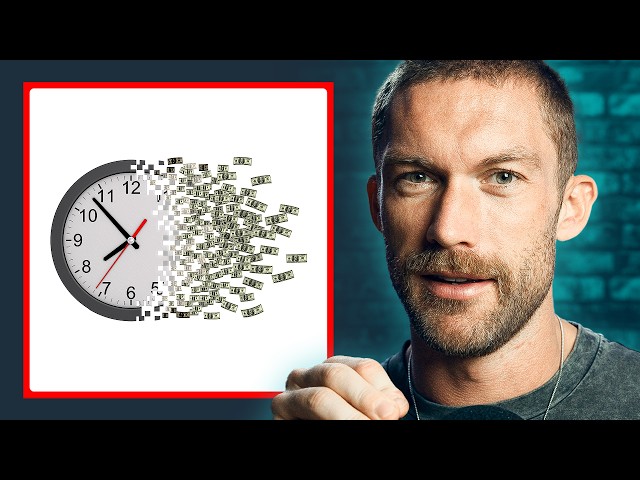
The podcast episode revisits insights shared by Jack Butcher four years prior, centering on a profound definition of wealth that transcends mere financial accumulation. The core argument posits that if an increase in money would not alter how one spends their time or improves daily life quality, the individual is already rich. This perspective challenges the conventional pursuit of higher earnings when it comes at the cost of personal freedom and well-being. Similarly, James Clear's advice to stop trading valuable assets for trivial ones serves as a complementary lesson: accepting promotions that pay more but consume free time represents a poor trade-off, especially for those who have already achieved financial comfort. The discussion highlights how individuals frequently talk themselves into these detrimental exchanges, prioritizing wealth accumulation over lifestyle preservation even when they possess successful businesses or comfortable living situations. A significant portion of the conversation addresses the psychological drivers behind this relentless pursuit of more money, specifically distinguishing between different types of materialism and their impact on happiness. For some individuals, a high "materialism set point" is ingrained from childhood experiences where love was demonstrated through gifts, leading to a mentality akin to keeping up with the Joneses or living in ultra-high-net-worth neighborhoods. If one cannot deprogram these deep-seated beliefs, they may feel compelled to earn substantial sums simply to possess material items that match their perceived level of worthiness. In contrast, those without such intense materialistic desires hold a competitive advantage; for them, doubling net worth might result only in minor upgrades like a slightly nicer coffee machine rather than a need for luxury goods. The transcript describes the latter group as having a much lower "burn rate" for happiness regarding possessions compared to others who act as "hungry animals," constantly needing new cars under two years old, designer shoes, and specific bags just to feel satisfied. The narrative further explores the arbitrary nature of status-driven decisions in professional settings, using promotions as a prime example of trading meaningful life elements for symbols that offer little intrinsic value unless cashed out later. On average, people choose promotions or job titles with better status over modest pay raises, such as a 5% increase, because they are driven by the desire for prestige rather than immediate financial gain. However, the speaker notes that these statuses often cannot be "cashed in" directly; one must eventually find another company to convert the title into tangible benefits or higher compensation elsewhere. This cycle illustrates how individuals sacrifice their current sanity and free time for future possibilities that may never materialize as expected, reinforcing the idea that focusing on wealth metrics rather than lifestyle quality is a common trap. Ultimately, the episode concludes by urging listeners to recognize when making more money fails to change their daily existence or happiness levels, serving as an indicator that they are already wealthy in terms of time and comfort. Realizing this truth acts as a crucial starting point for breaking free from the cycle of overworking oneself to achieve arbitrary goals. The speaker emphasizes that while some people must continue feeding their "beast" with expensive possessions due to conditioning or environment, others can thrive by maintaining a lifestyle where additional income yields diminishing returns in terms of satisfaction. By shifting focus away from wealth accumulation and toward preserving time and sanity, individuals can avoid the awful mistake most ambitious people make: trading things that truly matter for ones that do not.
Read the full video transcript
uh Jack butcher another lesson from him
he came on the show four years ago
something like that he says if more
money wouldn't change how you sp spend
your time you're already rich and a
similar Insight from James clear to stop
trading things that matter for ones that
don't so if you already live a
comfortable life then choosing to make
more money but live a worst daily life
is a bad trade and yet we talk ourselves
into it all the time we take promotions
that pay more but swallow our free time
we already have a successful business
but we break ourselves trying to make it
even more successful there's too much
focus on wealth and not enough focus on
lifestyle and those two lessons if more
money wouldn't change how you spend your
time you're already rich um brings
richness being wealthy way closer to you
now there's some people that have got
know a high materialism set point maybe
the way that they're families showed
love when they were young was through
gifts maybe they've got a sort of
keeping up with the Jones's mentality
maybe they're in a very high net worth
neighborhood or something um and if
that's you then you know if you can't
deprogram it you're going to have to
earn a lot of money because in order for
you to feel worthy you're going to have
to have material possessions that sort
of match that level but if you're the
sort of person who like me doesn't have
particular expensive tastes
and really if my net worth doubled all I
would do is
maybe buy slightly nicer coffee machine
I don't know like there's I don't
there's nothing that's sort of in my
mind where I think oh my God you I'd
really love that thing and that's been
the case for probably a decade now and
it's not as if I've been Rich for a
decade um but basically if you don't
have a lot of materialism in you I think
that's a competitive advantage and I
think that you can look at
people who need lots of uh expensive
material possessions as kind of having a
weird sort of curse that they need
they're a very very hungry animal and
they need to keep on feeding this beast
in a way that you don't or basically
their burn rate for happiness materially
is way higher than yours and you can get
away with it being 10% or 20% or
whatever of this person because they
need to have the a new car that's never
more than 2 years old and they need to
have the design shoes and then got to
have the bag and they got to have to
this um and I think that
realizing if making more money wouldn't
change much about how you live your
life you are already rich or if you can
even see little glimmers of that uh it's
a good starting point so anyway I love I
love those two and trading things that
matter for ones that don't living a
comfortable life
losing time or sanity for uh
additional even something that's super
arbitrary and even more silly idea that
James doesn't use um a promotion uh give
getting a better job title which has no
material use unless you're then going to
cash that in for a better position at
some point at some other company in
future but I think if you offer people a
5% pay rise or a promotion in terms of
their job title uh on average more
people choose the promotion because
status is one of these things that would
just driven for but you literally can't
cash it in unless at some point in the
future you manage to find a way to do it
uh so yes be careful about the focus on
wealth and not the focus on lifestyle
thank you very much for tuning in if you
enjoyed that clip the full length
episode is available right
here if you hurry up and press
it come on