Video summary
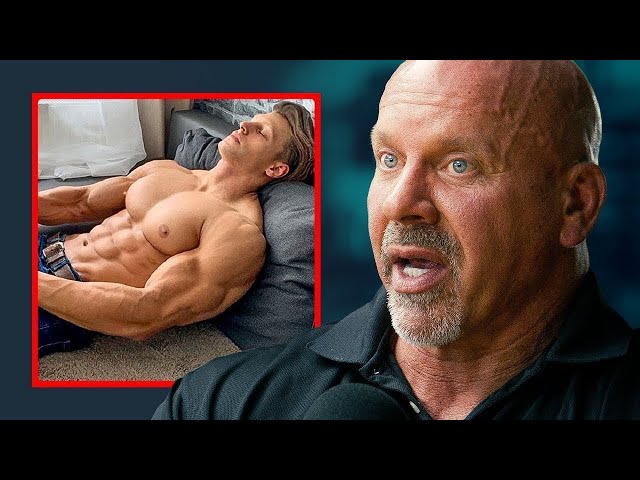
Stan Efferding emphasizes a critical relationship between sleep and weight loss, explaining that insufficient rest triggers increased ghrelin release which heightens hunger and compromises insulin sensitivity. When fat stores are full due to excess body mass, elevated blood sugars cannot be stored effectively in adipose tissue; instead, they remain high because muscles lack sufficient mass or the metabolic pathways are impaired by over-fatness. Furthermore, sleep deprivation causes the body to become "stingy," preserving muscle rather than burning it during weight loss efforts and making individuals more prone to eating simply due to having fewer hours awake where hunger can be managed through natural satiety cycles. Regarding exercise for fat loss, Efferding argues that waking up early at 4 AM to perform fasted cardio after only five hours of sleep is akin to "stepping over a hundred bills to pick up nickels." He suggests that aggressive forms of high-intensity training often lead to compensation behaviors where individuals sit more and eat extra calories later due to fatigue, effectively negating the workout's benefits. Instead of prescribing intense cardio routines which may not be sustainable for everyone with busy families or careers, he advocates for non-exercise activity thermogenesis (NEAT) as a superior strategy that is less likely to cause burnout or lifestyle disruption over time. The core "hack" presented involves integrating short, deliberate 10-minute walks throughout the day rather than relying on single long sessions of thirty minutes. Efferding notes that moving periodically—such as walking three times daily—is more effective for reducing all-cause mortality and combating the damage caused by prolonged sitting. These brief bursts should be intentional enough to elevate the heart rate slightly into Zone Two, where one can still talk comfortably but is working at a quick pace. He highlights that even small increments in step count, such as moving from 2,000 to 5,000 steps daily, yield dramatic improvements in health markers like blood pressure and heart rate while significantly enhancing satiety. Efferding provides practical examples of how to integrate these walks into existing behaviors, suggesting walking between security and the gate at airports or taking stairs in high-rise buildings as viable options for those living vertically. He specifically recommends performing these 10-minute walks post-meal, noting that they are twice as effective as metformin in preventing or reversing Type 2 diabetes by helping muscles uptake glucose into glycogen without requiring excessive insulin spikes. By setting a timer and walking immediately after meals at restaurants or home, individuals can turn exercise into an automatic habit known as "exercise snacks," which aids digestion and helps manage post-prandial blood sugar levels effectively. Ultimately, the discussion concludes that sustainable health improvements come from consistency rather than intensity alone. Whether utilizing standing desks, bike desks, or simply walking around a park near one's home, the goal is to avoid staying in any single position for extended periods, as duration of immobility causes more harm than poor posture itself. Efferding asserts that getting sufficient sleep and incorporating frequent movement are foundational pillars for health span, offering benefits like recharging energy levels and improving metabolic function without requiring a drastic overhaul of one's lifestyle or the sacrifice of family time.
Read the full video transcript
what is the relationship between sleep
and weight loss
yeah a few things one when you don't get
sufficient sleep you have increased uh
ghrelin release which makes you hungry
or makes you want to eat more you also
have compromised insulin sensitivity uh
which makes a little easier for you to
to gain weight sorry you've mentioned
insulin sensitivity a couple of times
today like just high level what's up
yeah we would say say pre-diabetic or
diabetic because when you eat Foods your
blood sugars Elevate and there's no
place to store them because you're over
fat your fat stores are full and so you
you can't put those there your muscles
maybe don't have sufficient muscle mass
to store that there and then that stays
elevated for an extended okay understood
so sleep weight loss
sleep does affect insulin levels as well
we also find that people who don't get
sufficient sleep when they start losing
weight they might lose a
disproportionate amount of muscle
as opposed to fat the body becomes
stingy at preserving the fat uh and so
those are all things that can happen uh
other other just being awake more hours
in the day gives you another opportunity
to get hungry and eat you know sleep
through one meal and you're probably
better off yeah yeah wow
whole host of benefits from uh getting
sufficient sleep
would you say that sleep is more
important than cardio for fat loss
well I did put it this way once I said
if you're waking up at 4am to do your
fasted cardio after only five hours of
sleep you're stepping over 100 bills to
pick up nickels and that's been
something I've said for many years if
somebody had to me I would I would do
the cardio later or I don't even really
recommend
cardio at all to most of my clients
because it's a pretty significant
departure from their standard lifestyle
and it might not be something they enjoy
it might not be very sustainable and we
see it has diminishing returns over time
as your body kind of adapts to that
stimulus and reduce becomes more
efficient and reduces the calorie it
burns I focus on non-exers and another
thing is is that too much exercise
activity particularly aggressive
exercise activity I'm not on
any of these forms if the best exercise
is the one you'll do if you enjoy doing
it do it but if somebody goes starts
crushing themselves I call it battle
ropes and burpees thinking that they're
going to burn calories just you know for
fat loss a phenomenon called
compensation takes over where you just
go home and sit more and eat more
because you're hungry you know you're
tired and you ruined it you just trained
well hey and you can burn 300 calories
in one of those battle rope and Burpee
episodes and you can go home and have
one piece of bread and negate all of
your
all of your gains or losses we should
say but I'm cautious about prescribing
cardio for weight loss uh for all of
those reasons prescribe an extra hours
sleep instead I prescribe an extra hour
of sleep and more non-exercise activity
I just think that the barriers to entry
having to come home get your car drive
to the gym do your cardio and we're too
busy especially if you've got a family
and a career that's that's the first
thing that gets sacrificed in that
scenario that's why I love the 10 minute
walks because they're more convenient
more sustainable I can attach them to an
existing Behavior which as we know
increases the likelihood that that new
Behavior will become a habit uh they can
be done anywhere at any time let's say
it's the first time that somebody is
hearing about walking as a
significant performance enhancer yeah
what do we need to know frequency
structure why is it working what's the
best way that you found to integrate it
how do you stick to it well we see
dramatic improvements in health span
simply from going from 2 000 steps a day
to five thousand steps a day
we see
um a significant decline in in blood
pressure uh Improvement in heart rate
all the health markers it also improves
satiety of all things just walking
somewhere in that I want to say about
five or six thousand steps a day you can
get about 1300 steps from a 10-minute
walk uh there is plenty of evidence to
suggest that moving periodically
throughout the day say 10 minutes three
times a day is more effective than 30
minutes once a day on on all cause
mortality as well why well it seems that
the sitting for an extended period of
time actually does some damage and
moving more frequently throughout the
day getting your heart rate up and even
if it's five minutes out of every hour
while you're at work you know they've
got those standing desks or the bike
desks and those kinds of things and just
movement in general and then getting
sufficient steps in now
we do see differences in uh the
intensity of that you should they should
be deliberate the heart rate should
elevate a bit I mean I'm not jogging uh
you don't necessarily have to to be out
of breath
um but we see the folks that can get
their heart rate elevated just a little
bit we stay in you know zone two I think
everybody's talking about now is not
such that you can't uh still talk while
you're doing it so it should be
deliberate it's tough to get to zone two
walking zone two whilst walking a 4.0
it's a quick Pace it's a decent pace
it's deliberate and it should be you're
going to get better benefits from it
yeah I I didn't I mean I'm not
cardiovascularly even
even remotely competent but for me and I
were a whoop I absolutely love it um
I would need to be weight vested
or I would need to be moving at one hell
of a clip yeah for me like speed walking
I would look silly to get to where we
probably get into something that's the
neat thing about exercise in general in
improving your health span is that when
you go from
what's described as the bottom quartile
into say the 50 or above that's where
you see the majority of your health
benefits yeah
uh so
I think something is better than nothing
and then I try and make that something
into uh something that's sustainable and
easy to do on the walk this is something
that I realized while I was talking to a
friend friend moved into this gorgeous
new apartment in Austin on West 7th
Street it's on the 23rd floor he's got
view on three sides you can see the
sunrise and the sunset it's amazing
if he wants to go for a walk takes him
seven minutes to get downstairs because
there's only three elevators for 1500
people that live in this apartment block
and so on and so forth and I was like
dude like I I love this place and then
where I live
I am
as soon as I put my Crocs on
I am about 15 seconds from a park yeah
yeah and it's the first time I live
parents house is like that back home my
house in Newcastle is kind of similar
and then this one's by far the closest
and it's such a hack and it's an unseen
cost yeah a vertical living I I think I
mean you know I can go up and down the
stairs and you could take the stairs for
23 flights you could you could do 10
minutes of stairs yeah which would be
great but I mean it's a you're seeing a
gray brick dry Stone another thing
getting exposed to sunlight that's a
whole nother psychological benefit of
course of course as far as the walk goes
you know I've traveled I've been in 12
countries in all 50 states and over 200
seminars in the last five years and so I
was in hotel the hotel airport to
airport I use the opportunity to walk
from security to the gate as a 10 minute
walk I use the opportunity at uh at
baggage claim I'm walking around circles
while people are standing there waiting
for the baggage thing to go such a good
house you're looking at me like I'm an
idiot my favorite thing especially in
airports is get to the gate even if I'm
an hour early which I'm not usually and
walk and but have a look okay is it uh
is it gonna leave early is it going to
leave this is the actual gate the gate's
not down some secret escalator there's a
bunch of these in London Heathrow yeah
okay right I know where I need to go
and I'll just if you do laps if you do
laps that are 10 minutes you're never
going to miss your flight because every
you know you're never more than five
minutes away from the gate and sitting
before you're going to be sitting seems
like an awful waste of time because
you're gonna get on that plane you're
gonna be sitting for two three five
seven hours okay so three more things
about walks yep
I like to prescribe them post meal
they're twice as effective as metformin
for preventing or reversing type 2
diabetes
because of their impact on post-prandial
glycemia the after meal blood sugar
elevation and duration your muscles will
uptake the glucose from that meal into
glycogen in the absence of need of
insulin so you get less sustained
elevated insulin
additionally it helps your digestion
just the uh yep just the musculature uh
the uh the enzymatic action and the
muscular contraction all of those things
are of great benefit I also find that it
helps a lot with people that are trying
to recover from things like hips or
knees just to get lots of movement it's
also a cue right you're going to have at
least two meals a day sometimes three
okay so if you manage to get a morning
walk upon waking which I absolutely
adore it's the most reliable part of a
morning routine that's waxed and Wayne
does my workload has changed
that has not changed so for me wake up
element in water because I really enjoy
the way that that makes me feel then
walk
10-15 minutes get back okay if I walk
after the next two meals there's my
three and if I actually end up having
three meals a day okay that's four yeah
um something else that I noticed when
wearing a continuous glucose monitor was
that I could see in the data what was
happening to my blood glucose of course
whilst going on that walk absolutely
here's something to say well last thing
on 10 minute walks is that
um we find that that when you do them
after meals again they become a a habit
sometimes I'll go to a restaurant at
night I took my daughter to dance class
last night there was a sushi place right
right next door and went Nate the sushi
place I walked out the door and I set my
timer for 10 minutes I started walking
the feet had taken you before you'd even
planned to do it almost yeah you you can
leave any restaurant set your clock for
five minutes walk down the street when
the alarm goes off walk back then get in
your car so these are really easy
bite-sized you know what they call
exercise snacks I think and what sort of
an impact do you seeing so we I stole
the virtues of it and I live next to a
park and I can be that kind of a dog
pervert as well because there's quite a
lot of dogs there and I love dogs
what are the uh outcomes that you see
between somebody that that doesn't do
this and then does even for a normal
moderately healthy person
all the research suggests the satiety
benefit the blood sugar control uh just
like recharging your battery you know if
you're at work and you're sitting there
for an extended period of time you start
to get tired a lot of people think that
posture contributes to soreness back
tightness neck tightness well they've
studied people that use quote unquote
good posture and poor posture uh they
have similar outcomes some of the good
posture people had worse outcomes in
terms of pain it was really the duration
of time that you stayed in any one
position it wasn't the position itself
and so the movement becomes pretty
critical this episode is brought to you
by a product I've used every single day
for over three years now and that is ag1
ag1 is a foundational nutrition
supplement that covers whole body Health
it is a staple part of my supplement
regime I take the travel packs with me
when I'm on the road like here in LA and
it really does make a massive difference
especially to my digestion if your
energy levels have been all over the
place if you really feel like you need
to make an improvement to your nutrition
this is a fantastic place to start it's
been update rated 52 times over the last
decade and only uses the best
ingredients at the highest quality to
make sure that it covers all of your
nutritional bases there is a 90-day
money-back guarantee for 90 days you can
use athletic greens and if you do not
like it or are not satisfied with the
results they'll give you your money back
if you're looking for a simpler
effective investment for your health try
ag1 today by going to drink ag1.com
modern wisdom you'll get a Year's free
supply of vitamin D 5 free ag1 travel
packs plus that 90 day money back
guarantee that's drink ag1.com
slash modern wisdom thank you very much
for tuning in if you enjoyed that clip
with Stan then press here for the full
length two and a half hour podcast
episode
go on
press it