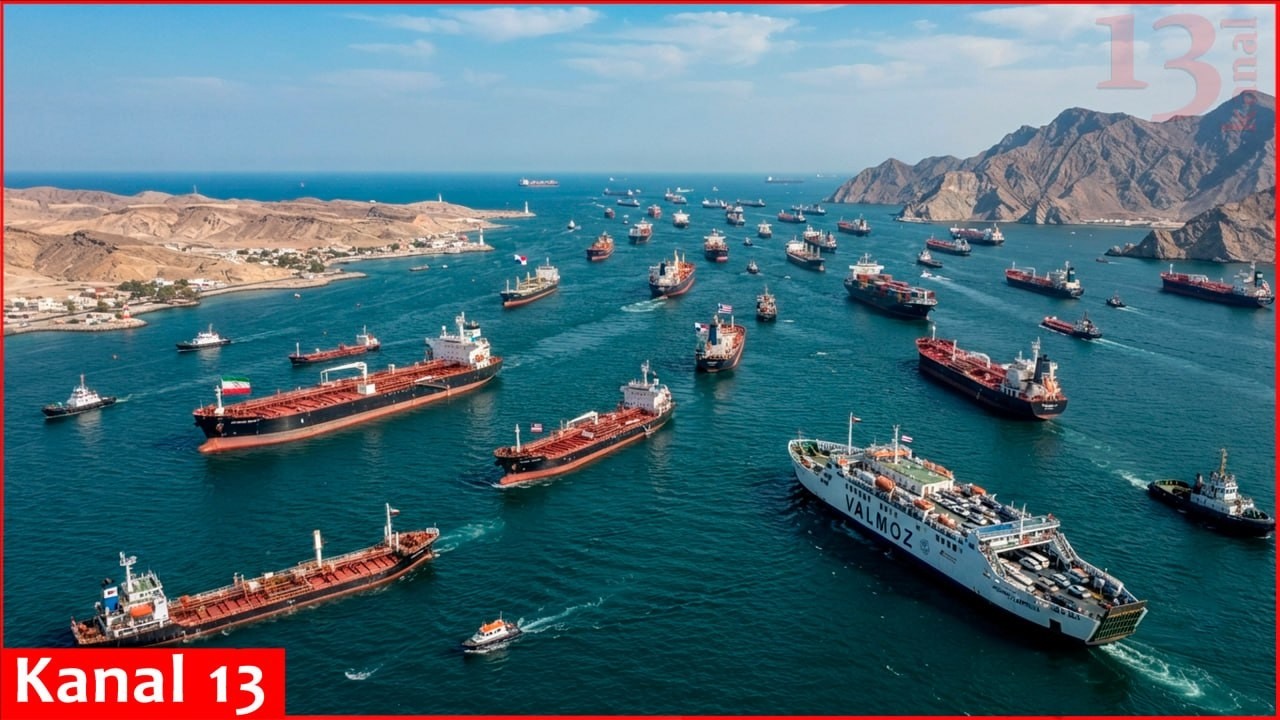
Iran escalates tensions with Israel and US - parliament considers Strait of Hormuz restrictions
Watch on YouTubeVideo summary
Iranian authorities are currently drafting legislation aimed at restricting maritime traffic through the strategically vital Strait of Hormuz by banning vessels linked to Israel and the United States from transiting the waterway. According to reports from Fars news agency, this initiative is already under review by a relevant parliamentary committee and could eventually extend penalties to ships belonging to other nations that Tehran deems hostile. The proposed rules carry severe financial consequences for non-compliance, with violations potentially resulting in fines of up to 20% of the value of the cargo being transported on board. To finalize these measures, parliament has engaged international law experts, security specialists, and maritime navigation authorities, though a specific date for the vote has not yet been announced.
This legislative move represents a continuation of Tehran's broader policy to tighten control over shipping in one of the world's most critical oil and liquefied natural gas supply routes. Iranian officials have previously signaled their intent to limit passage for vessels associated with Israel by introducing additional permitting procedures, indicating that this new bill is part of an escalating pattern of tension involving regional powers. The Strait remains a choke point through which a significant portion of global energy supplies flows, making any potential restrictions or conflicts in the area particularly consequential for international trade and security dynamics across the Middle East.
In parallel developments regarding US military posture in the region, KNN TV reported that American forces have completed the withdrawal of their air defense systems from Erbil in Iraqi Kurdistan despite urgent requests from local authorities to delay the move due to ongoing threats from Iran. Since the start of hostilities with Tehran, Erbil has been a frequent target for missile and drone attacks; until recently, US-provided defenses successfully repelled most aerial assaults while protecting both military installations and civilian infrastructure within the Kurdish autonomous region. A senior Kurdish official noted that warnings about the dangers posed by removing these systems were ignored, as Washington appears to have shifted its strategic priorities under the Trump administration toward other areas in the region.
The decision to remove air defense capabilities is also occurring within the framework of an agreement between the United States and Iraq intended to end American military presence in the country by the end of September. Kurdish leadership now fears that this reduction in defensive strength will leave the area significantly more vulnerable to further attacks from Iranian forces, a concern heightened by reports that Washington no longer considers Kurdistan a key priority for direct US military support. As these geopolitical shifts unfold, the combination of potential maritime restrictions and diminished air defense coverage suggests an increasingly complex security environment where regional stability depends on navigating escalating tensions between Iran, Israel, the United States, and local Kurdish authorities.
Read the full video transcript
Iranian authorities are drafting a bill
that could ban ships linked to Israel
and the United States from transiting
the Strait of Hormuz. The initiative is
already being considered by the relevant
parliamentary committee, according to
the Fars news agency. According to the
draft, the restrictions could extend not
only to Israeli and American ships, but
also to ships of other states that
Tehran considers hostile. The document
for substantial fines. Violations of the
new rules could result in vessel owners
being fined up to 20% of the value of
the cargo being transported. The bill is
currently undergoing expert review.
Parliament has engaged experts in
international law, security, and
maritime navigation to help finalize it.
A vote date has not yet been set. The
initiative is a continuation of Tehran's
policy of tightening control over
shipping in the Strait of Hormuz.
Iranian officials have previously
announced their intention to restrict
the passage of vessels linked to Israel
and proposed introducing additional
permitting procedures for certain
foreign ships. The Strait of Hormuz is
considered one of the world's most
important shipping routes, through which
a significant portion of the world's oil
and liquefied natural gas supplies pass.
KNN TV channel in this case reported
that United States [music] has withdrawn
its air defense systems from the Erbil
region of Iraqi Kurdistan. Despite
requests from local authorities not to
do so amid the ongoing threat from Iran.
According to the TV channel, the US
military has recently completed the
withdrawal of air defense systems from
the area around the capital of the
Kurdish autonomous region. Erbil has
been the target of repeated missile and
drone attacks since the start of the war
with Iran. A senior Kurdish official
said authorities had repeatedly asked
Washington to delay the withdrawal of
the air defense systems, but their
warnings had been ignored. Until
recently, American systems reportedly
successfully repelled most air attacks,
covering not only US military
installations, but also Kurdistan's
infrastructure and residential areas of
Erbil. According to Can Eleven, the
decision is linked to a shift in
priorities by the Donald Trump
administration. The article notes that
Washington has focused on other areas in
the region, and Kurdistan is no longer
considered a key target for American
military support. The weapons withdrawal
is also taking place within the
framework of an agreement between the US
and Iraq, which provides for the end of
the American military presence in the
country by the end of September. Against
this backdrop, the Kurdish autonomy's
leadership fears that weakening the air
defense system could make the region
more vulnerable to further attacks.