Invasive alien plant species: A call to action!
Watch on YouTubeVideo summary
Invasive alien plant species pose a severe threat to healthy rangelands by disrupting the delicate balance of native ecosystems that support livestock, wildlife, and human communities. These foreign plants often arrive quietly through accidental transport or well-intentioned gardening, only to establish themselves aggressively without their natural predators or diseases. Once rooted, they act as ecological superpowers, flooding the landscape with persistent seeds, spreading roots that outcompete native vegetation, and sometimes releasing chemicals that inhibit the germination of local plants. This unchecked growth transforms productive land into hostile terrain, fundamentally altering the environment and threatening the livelihoods of those who depend on it.
The consequences of these invasions are profound and far-reaching, particularly in regions like Africa, Asia, Australia, and beyond. Specific examples include black wattle and acacia mearnsii reducing grazing capacities to the point where land becomes completely unproductive, while species like Lantana form toxic monocultures that poison pastures. Cacti have converted millions of hectares into barren landscapes, and woody invaders consume two to three times more water than native grasses, leading to dried-up springs and shrinking streams. Furthermore, many of these plants are unpalatable or toxic to livestock, causing animals to avoid invaded areas which leads to overgrazing elsewhere, or suffering illness and death if they consume the harmful vegetation.
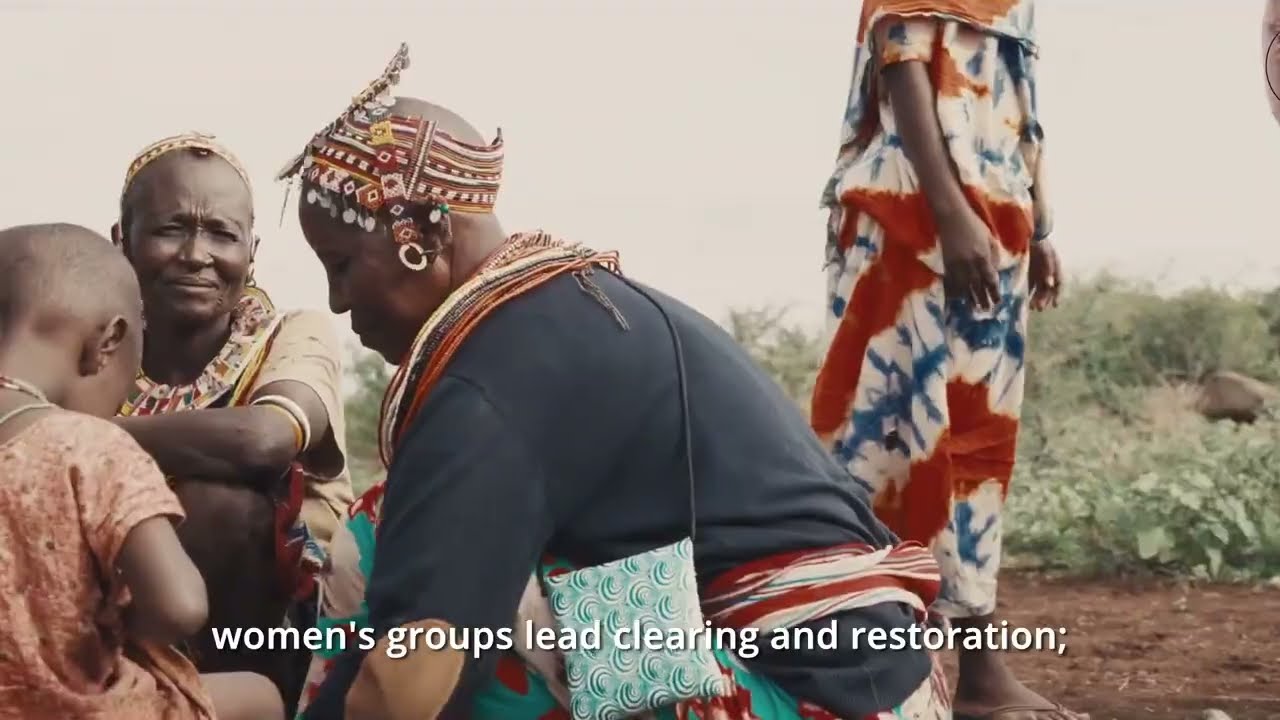
Addressing this crisis requires a shift from impossible eradication efforts to integrated, coordinated management strategies that prioritize prevention and rapid response. Since it is rarely feasible to eliminate widespread invaders, the focus must be on stopping new introductions, detecting early infestations, and applying a combination of physical clearing, targeted herbicides, biological controls, and cultural methods like strategic grazing. Crucially, removal efforts must be paired with ecological restoration to reestablish native grasses and monitor for reinvasion. Local communities are essential partners in this process, utilizing their knowledge to turn invasive timber into useful resources, leading restoration groups, and acting as scouts for early detection, all of which require sustained funding and training to succeed.
Ultimately, the battle for the future of rangelands depends on strengthening policies, improving land use planning, and integrating invasive species management into broader agendas for food and water security. Current challenges include weak policy implementation, voluntary reporting systems that lack enforcement, and remote sensing errors that misidentify invasive plants as productive vegetation. By closing these policy gaps and committing to adaptive stewardship, we can allow rangelands to recover, native grasses to resurface, and water resources to return. The choices made today regarding prevention, community engagement, and restoration will determine whether these vital landscapes remain productive for future generations, making immediate action essential for the land, the herds, and the people who rely on them.
Read the full video transcript
Look out across a healthy rangeland, a
tapestry of native grasses, deep-rooted
perennials, and seasonal flowers, a
living system that feeds livestock,
wildlife, and people.
Now,
look closer. A foreign shoot appears,
then many more. It arrived quietly on a
tire from a garden or as a well-intended
planting,
and it begins to change everything.
These are invasive alien species, plants
introduced beyond their natural range
that establish, spread, and cause large,
measurable harm to ecosystems,
livelihoods, and water resources.
Without their native predators and
diseases, they act like ecological
superpowers, flooding the land with
seeds that persist for years, spreading
aggressive roots that outcompete
natives, and sometimes releasing
chemicals that prevent native seeds from
germinating.
The impacts are clear. In Africa,
invasive species such as black wattle or
acacia mearnsii, Prosopis juliflora, and
Chromolaena have reduced grazing
capacities significantly,
sometimes forcing land out of production
completely.
Lantana, introduced as an ornamental in
Asia, Africa, and Australia, now forms
toxic monocultures.
Cacti have converted millions of
hectares of productive land into hostile
terrain. These losses mean fewer
animals, lower incomes, and weaker food
security for pastoral communities.
Woody invaders are often thirsty, using
two to three times more water than
replaced grasses,
lowering ground water, drying springs,
and shrinking streams.
Many invaders are unpalatable or toxic.
Livestock avoid invaded patches, causing
overgrazing elsewhere, or they eat the
toxic or harmful plants and suffer
illness or death.
Rangeland invasions cascade into
economic pain.
Higher feed costs, reduced herd
productivity, food insecurity, and
displacement.
Field studies and reports show losses
measured in the billions of dollars,
representing long-term shocks to rural
economies and human security.
Eradication is rarely possible once a
species is widespread. The smarter
approach is integrated, coordinated
management. Prevent new introductions,
detect and respond quickly when they
appear, and apply a mix of tools for
established invasions. That mix includes
physical clearing, carefully targeted
herbicides, proven biological controls,
and cultural methods such as targeted
grazing. Crucially, removal must be
paired with ecological restoration,
reestablish native grasses, use the land
intensively, and monitor for reinvasion.
Local people are essential partners. In
some regions, communities turn Prosopis
timber into posts and fuel. Women's
groups lead clearing and restoration.
Local scouts help with early detection.
These initiatives need sustained
funding, training, and coordination to
scale and persist.
Prevention is the cheapest option,
but policies and implementation are
often weak. Although many countries set
targets, relatively few have
comprehensive national laws or the
capacity to act at scale.
Land degradation neutrality considers
invasive species reporting as voluntary
and reliance on remote sensing often
causes false positives where invasive
species are wrongly reported as
productive vegetation.
Integrating invasive species into
biosecurity, land use planning, and
international agendas on food and water
security will help close policy gaps.
The battle for the rangeland is
happening now. Where early detection,
rapid response, and sustained adaptive
stewardship are practiced, rangelands
recover. Native grasses resurface, water
returns, and pastoral livelihoods
rebuild.
The choices we make today about
prevention, policy, community
engagement, and restoration will
determine whether our rangelands remain
productive for future generations.
Act now for the land, the herds, and the
people who depend on them.