Video summary
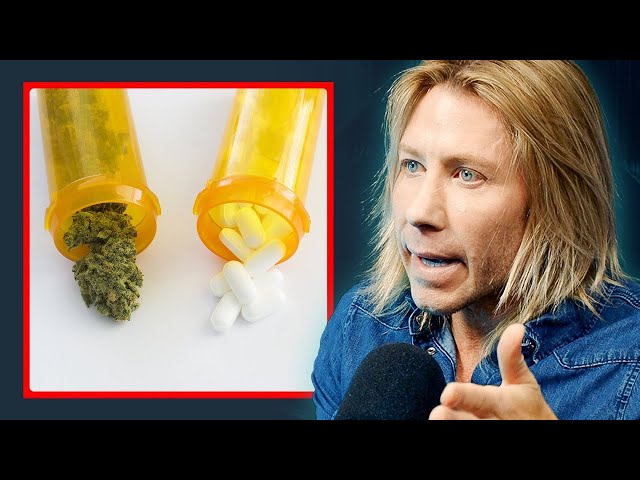
Dr. Matthew Walker addresses the complex roles of THC and CBD in sleep regulation, noting a significant evolution in how these compounds are perceived despite their distinct effects on rest. While acknowledging that THC can help individuals fall asleep faster initially, he warns against its long-term use due to the rapid development of physiological and psychological dependence. This dependency creates a vicious cycle where cessation leads not only to a return of original sleep issues but also to severe withdrawal symptoms, with insomnia being the primary feature listed in the DSM-5's definition of cannabis withdrawal syndrome. Consequently, many users fail at quitting because they cannot tolerate this rebound insomnia, effectively feeding themselves future episodes of poor sleep history by relying on the substance as a crutch. A critical issue highlighted is THC's potent ability to block REM sleep, which Dr. Walker describes as essential for creativity, learning, memory, and emotional health rather than just being "dream sleep." Men and women alike release peak levels of testosterone during this active state, making it vital for overall biological function. Users often report a cessation period where they initially feel they no longer dream or remember dreams; however, upon stopping THC use, REM sleep returns with intensity, resulting in vivid and sometimes chaotic dreaming that feels new to them. This phenomenon occurs because the brain has been chronically deprived of this restorative phase while under the influence of cannabis, so when the roadblock is removed, the system compensates aggressively for the lost time. Despite these significant downsides regarding sleep architecture and dependence risks, Dr. Walker points out a nuanced potential benefit in studies concerning sleep apnea. Research indicates that experimental dosing with THC can lead to statistically significant decreases in respiratory disturbances associated with sleep apnea. He speculates on possible mechanisms, such as preventing the relaxation response of airways or stimulating nerves via specific neurochemicals to keep them tight against collapse, though he admits the exact science remains untold. While he does not advocate for using cannabis based on its negative impacts on general sleep quality and dependence risks, he suggests that this potential utility in treating apnea warrants further investigation so as not to "throw the baby out with the bath water." The discussion also includes a promotional segment regarding TestoPrime, an NSF-certified supplement containing Tongkat Ali developed by Momentous. Dr. Walker shares his personal experience of raising his testosterone levels from 495 to over 600 last year using this product after hearing about its research-backed effects from Dr. Andrew Huberman. He emphasizes that most supplements fail due to inaccurate advertising, but Momentous stands out as the only brand with NSF certification for Tongkat Ali, ensuring rigorous testing suitable even for Olympic athletes. The segment highlights a partnership formed because of their commitment to high-quality, carefully tested products designed to help individuals improve performance in the gym and bedroom or naturally boost testosterone levels without risk. To conclude, Dr. Walker offers a clear path forward for those interested in these supplements by directing listeners to liv.com/wisdom via the link in the description. He provides a 20% discount code, "modernwisdom," which can be used at checkout on their website or through international shipping options available from Momentous. The episode ends with an invitation for viewers who enjoyed this specific clip to watch the full nearly three-hour conversation featuring Dr. Walker's deeper insights into sleep science and health optimization.
Read the full video transcript
talk to me about CBD THC it's been
marketed for a while separately and
together as Solutions what's the truth
behind it so THC and CBD I think they've
gone through a real Evolution THC for
the most part I think the dater is
fairly robust it's just not going to be
your friend when it comes to sleep it is
very clearly helping people fall asleep
faster and I think that's something that
we can come back to in a second the
problem with THC first is that you build
up a tolerance and a dependence on it a
psychological
dependence and what happens is that when
you stop using THC for sleep not only do
you go back to the bad sleep that you
are having because of the dependency you
typically have a withdrawal and your
sleep is even worse as a consequence and
if you look at the number one reason why
people fail in their attempted
abstinence from smoking weed is because
they can't tolerate the insomnia so they
fall off the wagon and they go right
back to using again because they've
built up both a physiological and a
psychological
dependence so that's the first issue is
just the really bad insomnia in fact
it's part of the Cannabis withdrawal
syndrome set of features in what we call
the dsm5 which is the diagnostic and
statistical Manual of mental disorders
it's basically the psychiatrist handbook
if you look at um cannabis withdrawal
syndrome right there at the top is
insomnia and that's a it's you're just
feeding yourself a future his or future
event in your history of insomnia when
you try to withdraw and you typically
will go back the second problem with THC
is that it's very potent at blocking
your REM sleep again and we've spoken
about REM sleep both as a mortality
feature REM sleep is critical for
creativity learning memory it's also
essential for your emotional and mental
health but we often think of dream sleep
you know it's it's such an active state
that we think of it as purely for the
brain it REM sleep is for the body men
and women both release their Peak levels
of
testosterone when you're in REM sleep
and so REM sleep is essential but you're
depriving yourself of it with THC and a
really good case in point here um is
that when people
stop using th when they've been smoking
weed firstly they'll start to say I just
I just don't dream or I don't remember
my dreams anymore then all of a sudden
when they stop using it they will say
once again like that late morning
Saturday morning with the alcohol they
will say God I'm just having these crazy
dreams now I never used to dream at all
the reason is because the brain has
built up such a chronic death of absent
REM sleep that finally when you stop
smoking weed it comes back with a
vengeance because you've been trying to
sort of get it but you can't and the
roadblock is finally out the way and boy
do you start getting REM sleep
again so THC I right now I just don't
think there's good evidence for although
I'll come well I come back to it now in
one of the two ways if you look at some
of those studies though and you've
really got to kind of dig deep into them
and look at all of the ancillary the
supplemental materials the science paper
something funny happened when I was
reading the literature if you looked at
they they always classify people's level
of sleep apnea in these sleep studies
it's just one of the things that we
always measure just like we measure your
brain waves and we measure your sleep
apnea if you look across when people
were dosed experimentally with THC the
sleep apnea started to decrease and in
some of those studies decreased
statistically
significantly which would argue that THC
May potentially be have something
beneficial to say about being at least
an adjunct to sleep apnea therapy now I
am not going to Advocate based on the
downsides that come with THD in terms of
your sleep that it should be used but
nevertheless you shouldn't throw the
baby out with the Sleep bath water here
what is it about
THC that is beneficial to reducing the
respiratory disturbance associated with
sleep apnea I think we need to figure
that out because there is there are too
many studies where that seems to be an
anecdotal result in the data now is it
because it it prevents the relaxation
response of the the Airways so that they
stay more taught and resistant against
the collapse is it about the release of
certain neurochemicals that are there to
stimulate the nerves to keep the I got
no idea but I do think it's a really
interesting kind of story that's yet to
be told you might have heard me say that
I took that testosterone level from 495
to6 last year and one of the supplements
I used throughout that was tonat Ali I
first heard Dr Andrew hman talk about
the really impressive effects that tons
of research was showing which sounds
great Until you realize that most
supplements don't actually contain what
they're advertising momentus makes the
only NSF certified tonat Al on the
planet which means it's tested so
rigorously that even Olympic athletes
can use it and that is why I partnered
with them because they make the most
carefully tested highest quality
supplements on Earth so if you're not
performing in the gym or the bedroom the
way that you would like or if you just
want to improve your testosterone
naturally tonat Ali is a fantastic
research back place to start best of all
there is a 30-day money back guarantee
so you can buy it completely risk-free
and if you do not like it for any reason
they will give you your money back plus
they ship internationally right now you
can get a 20% discount of all their
products by going to the link in the
descript description below or heading to
liv.com wisdom using the code modern
wisdom a checkout that's l i v m o ment
us.com wisdom and modern wisdom a
checkout thank you very much for tuning
in if you enjoyed that clip you will
love the full length nearly 3our long
conversation with Dr
Walker right here go on watch it