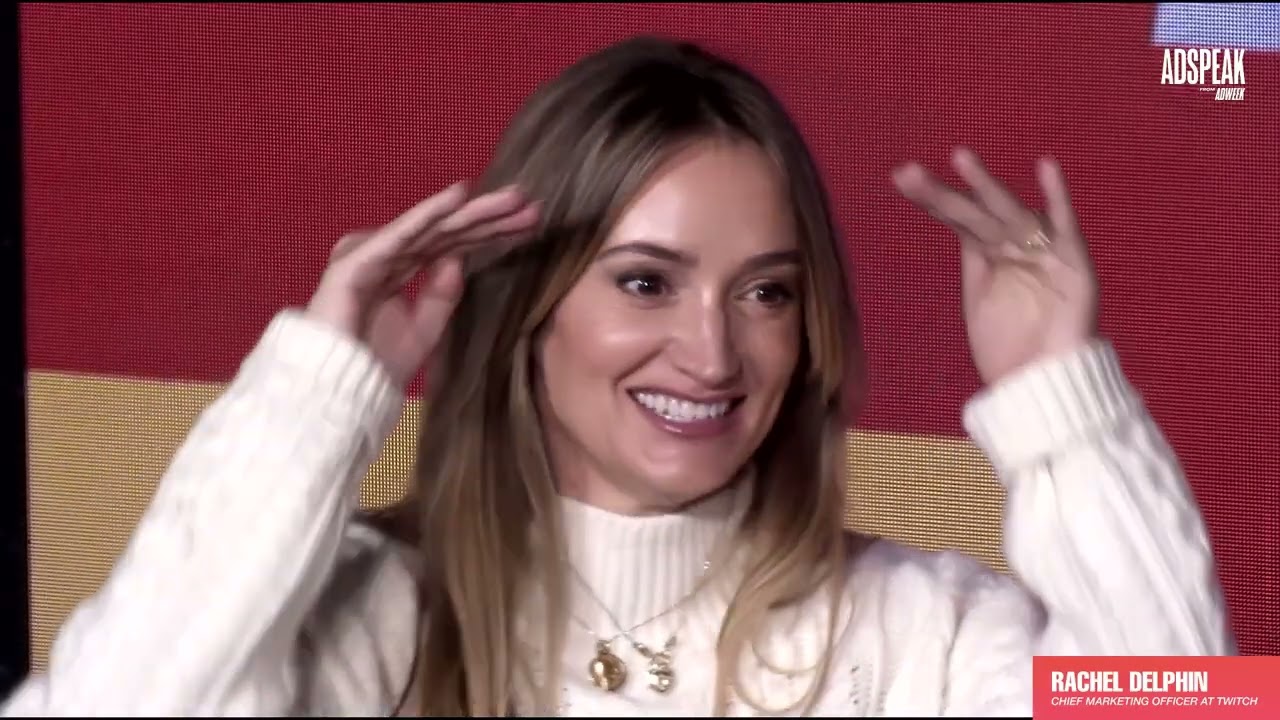
How Hasbro, Twitch, and Chicago Fire FC Are Building Communities That Drive Brand Loyalty
Watch on YouTubeVideo summary
The video explores how major brands like Hasbro, Twitch, and Chicago Fire FC are redefining community building to foster deep brand loyalty in a fragmented digital landscape. The discussion highlights a shift from traditional mass marketing toward authentic engagement that meets consumers where they are, whether on tactile platforms or digital spaces. Key emerging behaviors identified include the rise of unstructured play among adults, the proliferation of smaller, bespoke communities, and a growing desire for live interactions that complement online connections. These companies argue that true loyalty is built not just through product sales, but by creating environments where fans feel a genuine sense of belonging and can express their passions freely.
Hasbro illustrates this evolution by expanding beyond its century-old roots in board games into digital realms like Magic: The Gathering, Dungeons & Dragons, and upcoming video game titles. The company emphasizes that marketing must now be bespoke to specific micro-communities rather than relying on broad, one-to-many broadcasts. By partnering authentically with brands like Square Enix for Final Fantasy collaborations or leveraging platforms like Twitch, Hasbro aims to integrate its intellectual property into the lives of fans without alienating core audiences. This strategy involves treating partnerships as integrations that enhance the gaming experience rather than mere logo placements, ensuring that every interaction feels natural and rewarding for the consumer.
Twitch and Chicago Fire FC further demonstrate how brands can bridge generations and cross industry lines through shared experiences and grassroots initiatives. Twitch has successfully diversified beyond gaming into music and sports by hosting massive real-world events like TwitchCon and facilitating intimate backstage access to athletes and musicians, thereby humanizing the brands behind the content. Similarly, Chicago Fire FC focuses on participation at all ages, from toddler soccer programs to adult leagues, while integrating music concerts with match days to create unique cultural moments. Both organizations stress that successful partnerships must add value to the fan experience rather than subtracting from it, turning sponsors into active participants in the community narrative.
Looking ahead, the panelists agree that the future of fan engagement lies in brands adopting the mindset of "fans themselves," showing up in chats and stadiums with equal enthusiasm for their own products as they do for others. With Hasbro launching its first video games, Twitch continuing to scale through creator ecosystems, and Chicago Fire FC preparing for a new stadium and World Cup excitement, these companies are poised to lead the next wave of community-driven marketing. The overarching conclusion is that longevity in this space depends on understanding what fans truly want, facilitating their access to meaningful experiences, and celebrating shared passions across generations without prioritizing short-term sales over long-term storytelling and connection.
Read the full video transcript
Welcome to Adspeak, AdWeek's podcast
about the business of marketing, media,
and creativity. In this episode, we're
sharing a conversation recorded live at
one of AdWeek's events, featuring
leaders from across the industry
discussing the ideas shaping brands
right now. Let's get into it.
>> Welcome to our session on the future of
play. We've got some amazing panelists
signed up for you today. But before we
get into it, I'd like to ask each of you
to introduce yourselves and can you tell
me in one word what's one emerging
behavior that you're seeing reshape how
marketers or just people, consumers
engage with the future of play? Dan,
let's start with you.
>> Yeah, thank you. Thank you for having me
out. Nice to meet you all. Nice to see
you all. Uh, so I'm Dan Mariati. I'm the
chief marketing officer at the Chicago
Fire Football Club, which is an MLS
team. Thank you.
>> Lots of fans.
>> Can't see you clapping, but I
appreciate. Yeah. Yeah. Um, so we
compete in the MLS. the uh the soccer
league here in the US, fastest growing
league in the US. And the one word that
I think about the future of play for me
is connection and the human connection
that it drives.
>> Rachel, yes. Hi, I'm Rachel Delphin.
Thank you for having me here. I'm the
chief marketing officer of Twitch. Live
>> Thank you. Probably work for us. Um uh
live interactive video streaming that
really brings people together, creates a
sense of belonging. The the word that I
think about is spontaneity. I think what
we're seeing is that it used to be right
clay was thought of as sort of a a
juvenile or a thing that kids do and
what we're seeing now is you know adults
sort of embracing the idea of play and
unstructured play.
>> Yeah. Yeah. There's definitely that
crossgenerational element which we're
going to talk a little bit about later
too. And Jason
>> hi uh Jason Bunch CMO at Hasbro. Um I'd
say the actually have two words some
already completely violated your
question but uh I think community
proliferation like and it's I think
community itself is not new but I think
what we're seeing is just both
fragmentation and proliferation of
communities which just puts more demands
on marketing which a lot of us know to
really connect in authentic ways. So,
>> and I want to start with you, Jason,
because many people in here will know
Hasbro as the maker of Monopoly, Hungry
Hippos, which we were talking about
backstage. Um, but you're sort of
bridging this gap now between
traditional games and play and digital.
And you just announced a new strategy at
the start of this year, which is playing
to win. So, I want to hear about how
you're executing that strategy and your
marketing, and you know, what does it
look like in practice?
>> Yeah, I think um for a lot of folks
historically, Hasbro's 100 years old. It
is exactly that. It's a toy company.
Certainly board games. I think it's it's
no uh it's no kind of obvious thing to
say that you know the category itself
has been under pressure for several
years. Playing behavior has changed.
Kids are increasingly on digital
earlier. That's not news. Um but we're
also seeing kind of the aging up of
kids, right? So whether you're in your
20s, 30s, 50s, 60s, there's this
nostalgia play, a collectibility play.
And so as we think about the categories
we're going to go into, toy will always
be a part of who we are. Board games
will be a part of who we are, but
increasingly Magic the Gathering, which
is out of our Wizards divisions,
Dungeons and Dragons, uh is growing like
like hotcakes. And then you're going to
see us uh starting next year start to
launch video games. Um we have some
pretty big announcements coming up at
the Game Awards on December 11th next
month. A few surprises perhaps, but it
is something that we're leaning into.
said as we think about kind of those
lifetime of play moments uh we want to
be relevant uh and I think we have to be
where our consumers are these days which
is increasingly digital as much as it is
uh tactile.
>> Yeah. So definitely a brand like an
evolution and Rachel for Twitch you know
the whole platform you mentioned it
there is built in this idea of like
interactivity and spontaneity and gaming
is a huge part of that but you know in
recent years Twitch has branched out
into like music, entertainment, comedy,
all different areas. How are you
marketing to that like expanding
audience and you've been there since
2018 so you must have seen it change a
lot right? Yes, absolutely. So, I think
gaming was a really natural place for us
to start. Um, ultimately it's about
building community and a sense of
belonging. And so, things that people
are have interest in, um, things that
people have interest in, right, can can
form the basis of relationships and and
provide, right, the content sort of
background or connection point for for
the streamers, for the creators on our
service. Um, from a marketing
perspective, it really starts with
what's the what's working within the
community, right? Where are we seeing
some emerging and growing and sort of
organically growing kinds of content?
And that's certainly happened in music.
That's certainly happened in sport.
We're seeing a real embrace I think
particularly within the music community.
Either they're going on streams to sort
of like promote um you know albums or
projects or whatever it is. But also
just to connect with fans, right? Those
a thousand fans, those 100 true fans who
want to understand how do you make the
music? What inspires the music? and get
to know the person a little bit more.
So, we've Justin Bieber, Lizo, Dojaca,
there's a lot of um really high-profile
musicians who've really embraced
embraced the service.
>> Yeah.
>> Um and similarly, we've seen um the same
kind of embrace or uh perhaps a little
bit more new is around sport content and
not just the games necessarily, but
really the commentary, the culture, the
fandom around it. So, the breakout
moment this year was really around
studs, who are two women. and they play
in the WNBA and they took their Twitch
community backstage basically across all
of WNBA all-star weekend and had huge
response, right, of just seeing like
what's player relationships like behind
the scenes, how much camaraderie
existed. And so I think there is this
still and growing sense of, you know,
authenticity. Let's remove the veneer.
Let's remove the artifice and really
like get to know get to know people and
get to know, you know, other other fans.
>> Yeah. So little increasingly the the the
brief I guess is in the chat or in the
comments. Yeah. For your team.
>> Absolutely. And I say so first step is
like hey how do we integrate the content
into the current ecosystem communities
of Twitch. We don't want them to feel
separate from but a part of. And so we
have a lot of community groups,
ambassador groups, um clubs where we get
content creators together. So when we
see one of those like burgeoning areas,
let's get them together because
collaboration is so core to having a
satisfying experience but also to being
successful. Um, and then there's sort of
the expand of, okay, well, now we'll
build some campaigns around it. So, we
did really fun campaign around the DJs
that we have on the on the service
called 808. It has some play on DJ
culture. Um, and did this like big
global like 24-hour music festival. So,
we'll do a little integration followed
by Yeah. campaign. Twitch's audience is
so engaged. I want to come on to that
later cuz I end up asking too. And then
Dan, you know, for you, you started at
Chicago Fire FC in 202. And at the start
of this year, you entered what you've
described as like a new era. You have
some really passionate fans and you're
building the marketing around them. Tell
me more about that.
>> Yeah, so I think to explain kind of
where we've gone from the marketing
perspective, it's important to
understand where the club's been. So the
MLS, fastest growing league in the US,
it's only 30 years old, so it's still
relatively new. Uh the Chicago Fire
about 27 years old, so relatively young
still. Got off to a really hot start as
a club. We're still the only expansion
team in America to ever win a title in
their first year. Problem is after those
first five years the team went into a
bit of a rough stretch. We had multiple
owners, multiple stadiums, multiple
leadership groups, just kind of constant
churn where there was really no
stability. 2019, Joe Manu, who's the
founder and now chairman of the board of
Morning Star, bought the club as a
passion project and declared this desire
to want to build a world-class club. Of
course, you guys all know what happened
right after 2019. Co shut the league
down for a while. So, it kind of pushed
plans back a little bit, but now we're
really focused on how do we turn this
club into a world-class club. If you
look at MLS, the clubs that get the most
traction at the moment are actually new
clubs. They're clubs that have launched
in the last five to six years or so. So,
you think the LAFC's, the Austin FC's of
the world. And so, we've really built a
lot of our marketing and brand efforts
around this internal northstar of not
the fire that you thought you knew. And
so, how do we reintroducing ourselves to
the market? And for us, we do it around
a few pillars. So, we are Chicago. Yeah,
I think if you ever go to an MLS game,
especially the Chicago Fire game, so
diverse. We have people from two years
old to 100 years old in our crowd, every
background. And so we really want to
embrace that. We talk a lot about
innovating and really not resting on our
laurels, like needing to reintroduce
oursel knowing that we we represent the
biggest sport in the world, but we have
to bring it to the market. And then we
talk a lot about uh we're more more than
a team, we're a club. So we are Chicago
Fire Football Club. Every other team in
our market is a team. And so you guys
have both already touched on community
and and culture. We really want to lean
into that and embrace bring people into
um kind of marketing with us.
>> Yeah. And having those one-on-one
communications is important, too. Like
don't your CEO write a letter, Dear
Chicago, at the start of this year to
fans.
>> Yeah. So, um we're we're actually we
announced about 6 months or so ago that
we're going to build our own stadium for
the first time. So, we've always been a
tenant in other people's stadium. Right
now we're playing the Bears Stadium,
which is great stadium, Soldier Field,
but it's 62,000 seats, which is a bit
too big for for soccer. Um, and so the
way we announced the stadium was
actually our owner, not not the
president, our owner wrote a letter
called Dear Chicago that was really
addressing fans and talking about his
love for the city, his love for the
sport, and the personal investment he
was going to make in privately financing
this this stadium in the middle of
downtown Chicago.
>> Amazing. And you and I know like both
from the UK, there's something so
special about football or football as we
would say as soccer fans. Like there
just something so unique about that
fandom.
>> Yeah.
>> And I think something that unites you
all that you've all touched on is this
idea of like moving beyond passive
audiences and really interacting with
people who are engaging with each of
your brands. Jason, how are you doing
that at Hasbro? Like can you share some
examples of that in action?
>> Yeah, I I think it's it's interesting
like listening to talking to Dan earlier
about kind of sports and you know he
talked about two to 100. you know, we're
we're not that different, right? We have
audiences of all ages. And when I said
earlier about kind of the proliferation
of communities, that also actually means
that communities are getting smaller and
more bespoke. I'm sure Twitch you see
this all the time. And so, in the past,
right, in way back when in the 1990s, so
to speak, you do the one to many, you do
the broad reach, and you're most likely
able to reach everyone you need to reach
in that sense. I think those days
largely are gone. And so as you think
about the proliferation of communities
and a frag the micro fragmentation if
you will whether you're 5 years old
today and you know if you we do we talk
to kids that are five six seven years
old you know with their parents and
their parents are usually stunned at how
their kids are getting information today
whether they should be or not on certain
platforms but the reality is they talk
to their friends they look at creators
and those communities start to fragment
out and these are not you know the Mr.
beasts of the world, right? These are
folks that have a thousand followers,
2,000 followers, but they have those
followers that really listen and kind of
adhere to things like recommendations.
So, as we think about that as the
marketing side, the those communities
for Nopoly are very different than
community for Transformer are very
different than community for Magic are
very different for the community for our
video games. And so marketing as an
organization and Hasbro hasn't really
done this historically. I'd say mostly
marketing at Hasbro from an execution
standpoint has been mediabased and
that's still important as a muscle but
over the last couple years I think since
I've been there we've really adjusted to
be more about creator programs
influencer raising the bar on our own
creativity and then really thinking hard
about how we get insights. So I guess
the last part of the you know the answer
to your question would be uh you know
insights for us today you know and you
think about hey like kids are on YouTube
like that's that's not an insight that's
just fact insights are more around hey
uh teenagers now 14 to 18 are using chat
on in or on Snapchat rather uh and we
chat to basically send their friends
specific snippets of a specific creator
in a specific country that's not even
where they're vakes and we see this in
places like Germany, we see this in
places like the UK. Uh, and so as a
marketing engine, like you have to be
able to activate that in some way. So
what we're really finding is we have to
be both bespoke, but then we also have
to scale, right? So we're not a huge
organization. We're about 180 some odd
people uh at a company of Hasbro size,
which is which is about right. But
that's really kind of where we're trying
to lean in these days, which is both
from a partner perspective, like how do
we scale through partners? And we do
that with Disney and most recently with
Netflix on K-pop. But we also scale
through partners like Magic the
Gathering. We just did a Final Fantasy
collaboration this year. Really
appealing to those audiences in very
very authentic ways. So that's also
something we're thinking about from a
marketing standpoint is how we get to
scale through partners which is super
important.
>> Yeah. And I want to talk a little bit
more about that too. But Rachel, you
mentioned some examples um you know of
how Twitch is involving players in its
marketing and these interactive
experiences. But one of the interesting
things I think you do as a digital brand
is you host real world events too. Can
you talk a little bit about that?
>> Yeah, of course. So TwitchCon is our
marquee event. Um we bring together tens
of thousands of people across two
events, one in Europe, one in one in um
the US. We just had it in San Diego. I
hope someone in the audience was in
attendance.
>> Um and again, it just really speaks to
our mission, which is building
community, building a sense of
belonging. And I think people are one in
terms of insights. Like we spent a lot
of time together on the internet. I
think that consumers have really wisened
up to the fact that it isn't always the
best way to be spending our time and so
live um they're really craving right
live interactions as a way to not
replace necessarily but to complement
you know the community and the
connection that they're building online
and so you know we find that bringing
people together live whether it's
through our big you know TwitchCons
where we've got Magic the Gathering D&D
like anything that's on Twitch is at
TwitchCon [snorts] um but also in
smaller venues so we have meetups
organizations we have um you know we end
up at third party events of course but
the the idea is always to be driving
connection and to be driving community
between our viewers between our
creators.
>> Yeah. Whether that's in real life like
our own sweat.
>> Correct. Yeah.
>> And then yes we have these we build
community online as well. So we we are
heavy users of discord um as well as our
own you know service to to make sure
that people are regularly networking
that providing insights. But I think
also just importantly um being able to
chat with people and hang out and get
and get some sense of support
recognition.
>> Yeah. And Dan, you know, you're doing
this in a few different ways too and
some of them are quite grassroots and
like at local level. Can you talk about
that?
>> Yeah. I mean, I think when we think
about participation and how we're
driving it within the club, there's
really two parts of it. One part is the
sport and how we're driving
participation in the sport and then one
part is the club and the brand and how
we're driving participation. Kind of
more similar to what you guys are
talking about there. from a
participation in sports. So soccer is I
mean the the cultural role that soccer
plays in the US isn't quite reflective
of the amount of participation that
soccer as a sport has. It's the only
team sport that's grown postco from
participation for youths. We have uh two
we have an entire physical facility
called the Endeavor Health Fire Pitch.
We have 365 programming year round. We
actually run the Midwest's biggest
indoor soccer league. We have 50,000
people from again from two to I'd say
60, but you can play over 60 if you want
to that come and do camps, clinics,
leagues. I actually played yesterday. So
if you see me limping off the stage,
that's why I'm getting a little too old
for it. But really, really try to try to
drive participation at that kind of
youth level and adult level knowing that
that is a gateway drug then into fandom
of the sport. And from a brand
perspective, it's equally important.
Yeah, I think we think a lot about
soccer is so the culture behind soccer
in America is so different than the
other sports. We have supporters groups
who have permission to bring in
instruments and banners and really
impact game day experiences. And so in
soccer, you really have to work with
them, which from a marketing perspective
is really around training your team.
Yes, we need to do this stuff. You need
to keep your eyes open for it. We need
to be able to enact on it quickly. I
think a few things that come to mind for
me, we've done recently. We we as a club
hadn't made the playoffs for seven
years. We just made it this year.
Unfortunately, we got knocked out on
Saturday, so we don't need to spend too
much time thinking about it. But we had
a fan at the start of the year who
tweeted, "If the Fire make the playoffs
this year, I'm going to shave my head
bold." And so, our social team held him
to his word. First playoff game we had
about two weeks ago. We got him out on
the pitch right before the players came
out and shaved his head live on the
pitch before.
>> And then our supporters groups, um, they
wanted to do a fundraiser for the
Greater Chicago Food Depository. For
anyone who's been to Chicago, we have
this horrible shot called Mealort. I
don't know if anyone's had it.
>> No, it tastes like petrol, gasoline.
It's It's horrible. Um, our supporters
decided they wanted to do a 5K with a
shot of Mealort at the end to celebrate.
So, we give them the physical space. We
like, we really make sure that we're
doing the things as a club that feels
very grassrooty and small, but then you
do the brand storytelling around it to
let folks know this is what community
looks like. This is what club looks
like. So take all of your sort of taking
these fan moments and like translating
them into marketing campaigns. I know
Jason, you mentioned this earlier, but
naturally other brands gravitate towards
your brands and you know want to work in
partnership because of the audiences
that you each have. Um we're going to
have a quick video here from from Hasbro
if my clicker works. But Jason, can you
talk a little bit about like what
successful partnerships look like for
you and some of the ones you've been
working on? You mentioned K-pop there.
Like well done for jumping on that hype.
>> Yeah. No, no. I Yeah. And I think
historically, right, we're not super
unique in this. I mean we're we
certainly are a licensor and l eee um so
Disney for example has been a partner um
with Hasbro for 50 plus years for Star
Wars and Marvel and that will continue
K-pop is something we recently uh won
alongside with Mattel uh for their toy
line and that's those things are still
super important and then and then for us
in as much as those are not technically
our own IP we certainly treat them as
such and it's really again about
bringing to life that IP to to you know
fans of all ages and So, I think that
that kind of partnership will still
persist in really positive ways. But the
other part of it, I mentioned Magic and
Final Fantasy. So, there's this thing
that we've been doing with Magic the
Gathering. And for those that don't know
what it is, well, I'll let you Google it
and uh it's probably easier to spend a
couple hours on that, but it's actually
one of the biggest brands out there in
tabletop gaming. It's um the marketing
challenge on that for us is how do you
grow that and not you know completely
alienate a core which um Twitch
certainly knows much about but we have
this thing called universes beyond which
was a way to introduce the game to a
different set of players which basically
means we're partnering with similar
brands but it's not just partnership or
sorry not just sponsorship andor kind of
logo slapping it's really about
integrating those brands into the game.
So, our biggest this year was with Final
Fantasy, which is a video game out of
Square Enix based in Japan. And we were
super authentic to that brand. Um, the
cards that we built were with Square
Enix artists rather. Um, these are folks
that have worked on this IP for 30 plus
years and their fans have never actually
seen their actual artwork appear in
static form outside of the video game.
And so we were both creating opportunity
for those fans to engage with Magic,
which they have never done, but it
allows our own Magic players who are
incredibly passionate about that brand,
to also cross over into another way to
play the game and and start to get
exposed to different IP. And I think our
ability to scale, and I don't think
we're alone in this, but our ability to
scale really does have to come through
partners. We activate better through
partners as long as we stay authentic.
Um, and I think that's something that
our our communities, right, will hold us
accountable to, which is if we're just
doing it for the heck of doing it, like
that's not going to work super well. And
so that's something you should expect to
see more from more of us, which is how
we find those authentic partnerships to
scale our own brands. So
>> definitely. And um, Rachel, I think
Twitch has some really nice examples of
partnership and one of them was the
glitch that you done, Door Dash. I think
we've got a little video we can play or
little still that we can show people
that in motion. talk to me about that.
>> Sure. So, um, many of you will have
heard he heard of Fortnite. Of course,
Fortnite is not just a game, right, the
battle royale, of course, that many
people know, but it's also a suite of
experiences now, right? It's a platform.
So, um, we worked with a really great
studio. We built the Glitch, which was
a, um, a map, right, a Fortnite map, and
brought in some really cool partners,
Door Dash being one of them, and so
built this really compelling experience,
which is first and foremost, it's a fun
game to play. That's so important,
right? particularly when you're talking
to a gamer demographic, like there are
really high standards, right? In terms
of how they want to spend their time,
how it works, what are the mechanics,
all of those things.
>> Um, and then integrating brands in ways
that feel natural, but also are really
rewarding. So, we worked with Door Dash,
built branded experiences. They're
integrated into this map on Fortnite
that we have called the Glitch. And then
we did tournaments, so like Battle of
the Brands where there was like, you
know, $20,000 prize pools for viewers.
And it's something that's, you know,
months, right? It's not that it's a
weekend long or or even, you know, a
couple weeks. It's it's months and
months of content and keeps people
really engaged. And I think we sell
around 50 million, right? Like people
actually playing playing the experience.
And so I think for us um you talk about
scale through partners and I think
partners is one way for us, but we
really achieve scale together through
creators. So how do we create things
that our audience, most of whom I don't
know what it is, 99.9% of people who are
on Twitch, they're on other places and
they're active in terms of content
creation. They're sharing clips. They're
sharing their reactions. And so how do
we create something that's so exciting,
so compelling that they want to share
it?
>> Did anything surprise you about the way
that your audiences like interacted with
that partnership and that campaign?
>> I think the you know surprising in that
I don't think that there was like um
resistance, right, of like oh it's
something that Twitch built or something
that a brand build. It was like is it
fun? Yeah.
>> Is it is it good? Is it fun? Do I enjoy
what I'm doing? That's really the
barrier to entry.
>> Yeah. Yeah. Amazing. And Dan, you know,
you're doing some stuff sort of at the
intersection of like music, sport, and
culture on the the partnerships front.
You guys hosted a series of gigs
recently, right?
>> Yeah. So, in sports, it's funny,
partnerships are a little bit different.
Partnerships for us are largely
sponsorships. So, it's a revenue model
just purely in its own right, how we
sell access to our fan base and to our
audience, to to partners, sponsors. But
one thing we're always looking for, some
sponsorships obviously are just you put
the logo up. Um, it's kind of
subtractive from the energy of an
experience rather than additive. And
increasingly we're looking at, hey, how
do we find additive partnerships where
the partner comes in, does something
that makes experiences better for our
fan base, and we get paid for for
providing that. Probably my favorite
example this year is we had a a partner
come to us, really wanted to find a way
to play in that intersection of sport
and music. And so we started a summer
concert series where after two games
this year, we set up a stage behind one
of the goals. 30 minutes after the game
finished, we're pulling the goals out.
We're getting fans down on the field. We
had Chance the Rapper and then a guy
called Danny Lux who's a big kind of
Mexican singer singer songwriter. Um we
had crowds come out for that all
sponsored by Cafe Bello. So they really
got to inject their brand into that
intersection between sports and music
but in a way that actually benefited our
brand and kind of moved us forwards
culturally as well.
>> Yeah. It kind of goes back to what
Rachel was saying, you know, like many
of Twitch's users are also across other
platforms like 99.9%. So many of your
audience will also be interested in
music. So the two intersect. So love
that. And something that's come up as
well is this idea of like play across
generations. So whether that's like me
introducing my little boy to hungry
hippos or like Rachel, your family
playing a lot of Magic the Gathering
from the sound of things or you know
creators like bridging that gap on
Twitch. And I want to know how you're
all marketing across the generations.
Like Dan, you mentioned, you know, your
fans could be like age 2 to 60 and they
can play in the games and things like
that. So, can you talk to me a little
bit about how you're thinking about
that?
>> Yeah, I mean, the way we think about
about youth especially and and Gen Alpha
is is participation, right? So, it's
getting them playing soccer, it's
finding if they we have something called
little sparks, which is I think it's
18month-olds running around playing.
It's it's not soccer is is chaos to be
honest. Um but we have that um all the
way up to formal pathways through the
academy to get into the first team for
kids. Um and so we really talk to the
parents about the benefits um you know
physically, emotionally um all of that
that that comes with with participating
in soccer. And then when it comes to
game days, it's really and game days and
I guess non-game days around around
players and brand. It's really around
the access that you can give the kids.
And soccer's it's different than other
American sports in the sense that
there's less stop start, right? you got
45 minutes of play, 15 minutes break, 45
minutes of play, but if you come to a
game day, we find so many opportunities
to get kids down on the pitch. So, we
have um like kids walk out with with
players for the national anthem. We had
a kid that did it this year, this uh
past weekend, we just played on Saturday
and he wouldn't stop talking about how
amazing it was. And this kid, he's four
years old. The the shorts that we gave
him, they came down honestly halfway
down his shins, his shirts almost
covering his knees. It was the best day
of this kid's life that he got to walk
out with our striker. He'll never forget
that. He
>> He'll never forget it. And we do, we
have one of our partners is Lumatis, the
pizza company. They put a pizza tarp on
the center circle at halftime. We get
parents ringing us asking how their kid
can carry that out and spin a pizza on
the center circle at halftime. So, it's
all just about finding ways to give
access to the players to the game day
experience and give kids and then
ultimately their parents experiences
that that they'll treasure.
>> Cuz if a kid wants to go back to the
game, their parents are definitely
buying tickets, right?
>> 100%. And Rachel, how are you thinking
about like cross generational play at
Twitch? I imagine your audience is, you
know, very varied, but as you think
about those younger viewers and and how,
you know, yeah, we're 70% Gen Z and
millennials, so we have a rather um
young demographically speaking. I think,
you know, for us, when people actually
come into content creation, when they're
thinking about, do I want to be a
content creator, which increasingly many
young people, you know, it is one of the
most aspirational jobs, right, for young
people. Um, how do we make sure we stay
top of mind? And again, that that kind
of scales through us comes through
creators, right? Because ultimately,
they're not going to necessarily be
inspired because like Twitch told them
that there's like incredible
opportunity, although we do say that.
Um, but rather like how do we make sure
we're boosting profiling and showing
what the real advantages of are building
a long-term loyal fan base on Twitch
versus, you know, something else that
might be more transient.
>> Yeah. Yeah. And then I think in terms of
intergenerational, this happens to my
own home is games, gaming, music,
whatever it is on Twitch, like they can
be really a point of connection. We have
really good examples and fun examples of
there's a woman called I love puzzles
who does, you know, puzzles on Twitch.
She's a, you know, senior, right? More
more older in terms of the typical
demographic. And then we have a lot of
parents who are like, I started
streaming, I started gaming because I
want to have uh shared interests with my
child and I it turns out I really liked
it.
>> Yeah. So, we try to highlight a lot of
those stories, too, because it certainly
is something that, you know, I think the
idea of fun, the idea of play, the idea
of connection, those are universal
appeal, whether you're, you know, got a
full-time job or or not.
>> Yeah. Amazing. And Jason, you know, as
we mentioned earlier, you've got so many
IPs across, you know, physical and
digital, like how are you marketing
cross generation generationally and the
younger younger demographic coming up?
>> Yeah, I think it's I mean, it builds on,
I think, a lot of the points made. We
definitely have to be cognizant of the
fact that at the end of the day the best
thing for our brands is that that that
toy that game is in the hands of the
consumer. Um I think not or not unlike
many other brands out there we are very
much more adopting this notion of hey
our job is to curate and facilitate
those those access points. Our fans and
and consumers will take it from there.
Uh I think we have to remember as
marketers that while yes we want to be a
demand genen driver and yes we have
accountability certainly to growing
sales that is very much ingrained in me
every day by our CEO uh at the same time
we're a storytelling function and I
think at least in the space that we play
if we forget that we're a storytelling
function and we actually don't give our
fans something to be proud of right if
you're a Magic the Gathering player you
want to be proud of the brand you want
to see the company that actually
delivers that to you. Be proud and
celebrate your passion and stop selling
them stuff basically. Uh and so as we
think about ages honestly like whether
you're you know a young kid or a
teenager adult etc. Um we're seeing more
and more similarities with how those
with how those communities engage. And
so again I think implications from a
marketing standpoint is going back to
that do you really understand what they
want and are doing with your brand? Are
you able to facilitate and engage them
in the places that they live? Twitch
certainly being one of them. Sports
teams certainly being another. And then
ultimately, what action do you want them
to take? Uh, and that's something that I
think as marketers we're constantly
wrestling with. So,
>> yeah. Amazing. And just quickly, because
we're running out of time now, but we
look, you know, 12 to 24 months ahead,
what's next for fan engagement and play?
Dan, I want to start with you because
you mentioned it already, something very
exciting, new stadium. Talk to me about
that.
>> Yeah. Um, so new stadium on the horizon,
opening 2028, downtown Chicago. Couldn't
be a better location. Right on the
river. Super excited about that and just
how it's going to help us realize our
vision of trying to be a world-class
club. And then before then, hopefully
you all know the World Cup's coming to
America next summer. It's going to be a
massive, massive summer of football,
soccer in the US. And so really thinking
about how do we uh invest in that and
and really engage fans as there's this
ground swell of interest in the sport.
>> Yeah, exciting times. and Rachel and
Jason as you guys look to 2026 what are
you thinking about like what's top of
mind Rachel I'll start with you
>> yeah I think for a long time we've been
a place that was a gathering place for
fans right the third place the fourth
place like where people were coming
together share their passions grow
community all of those things and
increasingly one of the ways we've been
really trying to operate differently is
the brand as a fan so we're not just the
ingress point right or the playground as
we used to sort of think about ourselves
we're actually in the fandom and more in
the crowd. And so for us that means how
how do we show up and be in chat more?
How are we in the stadiums? Um how can
we show up and be, you know, a little
bit more equal with the fans and
demonstrate our own fandom? I suspect
we'll see more and more, you know,
brands sort of um embrace this idea of
being the fan of your consumers.
>> Yeah, I love that.
>> Yeah. And Jason, what about you?
>> Yeah, I think for us it's really simple.
Next year is our first step out the door
with our own video games. Um, and so as
we expand a company's kind of reach and
a different styles of play, we're super
excited about actually delivering for
the first time our first video game
later next year.
>> More details to come.
>> Watch the Game Awards on December 11th.
You'll see more from us then.
>> It's amazing. Well, thank you all so
much and thank you for listening.
>> Great.
>> Thank you. Kiki,
>> that was a conversation recorded live at
an AdWeek event. You can find more
coverage, analysis, and interviews from
across the marketing and media world at
adweek.com. Thanks for listening to
Adspeak. If you like the show, be sure
to follow or subscribe [music] wherever
you get your podcasts.