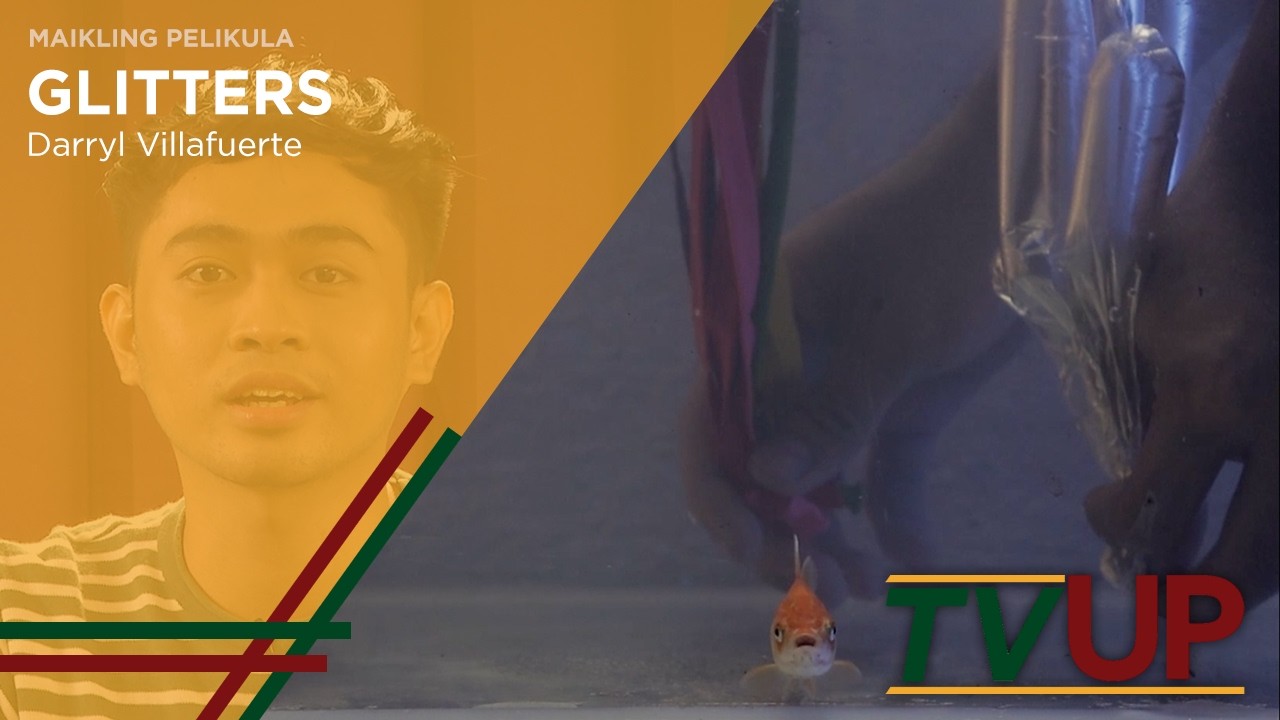
Video summary
The video presents a unique perspective on filmmaking through the lens of an experimental documentary titled "Glitters," which explores the critical issue of plastic waste and its impact on natural habitats like sea anemones. The narrative is structured into three distinct chapters that trace a journey from the ocean's depths to the shores, highlighting the transition from pristine environments to those polluted by human debris. This project serves as both an artistic playground for filmmakers and a serious educational tool, blending technical experimentation with genuine storytelling to engage audiences on environmental challenges.
Central to the film is the concept of using one's own life experiences and research as a foundation for new narratives, moving beyond traditional documentary formats to create something fresh. The director emphasizes that by incorporating new technicalities and innovative ways of shooting, creators can transform personal stories into compelling public discourse. This approach allows the film to function not just as a record of environmental decay, but as an interactive space where viewers can reflect on their own relationship with nature and the broader implications of plastic pollution in our oceans.
The production process involved extensive boat rides from afar to capture a colorful bird's eye view of the islands and surrounding waters, providing a visual contrast between the beauty of the natural world and the intrusion of waste. By framing the project as a school initiative or a starting point for aspiring filmmakers, the video encourages others to treat their surroundings as a playground for creativity while maintaining formal storytelling standards. Ultimately, the film aims to challenge viewers to see themselves within the story, turning the abstract concept of environmental protection into a personal and urgent call to action.
In conclusion, "Glitters" succeeds in merging experimental techniques with documentary integrity to address the pressing issue of plastic waste without losing its artistic soul. The director notes that while the project began as an exploration of self and local research, it evolved into a broader commentary on how we view our environment and our role within it. Through this blend of heat, passion, and visual storytelling, the film offers a new way to understand environmental crises, inviting audiences to look closer at the glittering yet dangerous reality of our oceans and inspiring them to create their own stories of change.
Read the full video transcript
Heat. Heat.
[music]
>> [music]
[music]
>> writer and directors.
It was told s perspective is the it was
told three chapters. So
drift away into changes
from sea anemmones
from natural habitat into plastic waste
final output experimental
but at the same time on that termmentary
class
and then on my research
from boat rides back to land and from
the island
management
island
boat ride from afar.
colorful
bird's eye view
output
filmmakers Take as your playground
making as long as you understand the the
formality of it
come up into something new or something
in general. So if we spice up new
technicalities, new way of how you shoot
or how you view your storytelling into
people,
which is the story of self,
something fresh, something new to offer
audience Actually
in a sense
Okay.
like the glitters itself.
It
director.
storytelling itself. I think somehow it
worked.
It's about an environmental film
plastic waste
and then for example
I thinkual
story
challenges
and I think
weeks after weeks
so very
and then
glitters
around aquarium.
waterfaceerence
for that openheimer.
Okay.
Foreanguage
experimental and then documentary and
then school projects.
film making or film industry as starting
filmmaker
playground.
Okay.
Butterfly
I think
aspect
Cleanula.
Heat.
Woo!
Heat. Heat.
Heat. HEAT.
RIGHT.
HEAT.
HEAT. HEAT.
>> [music]
[music]
>> HEAT.
[music]
HEAT.
HEAT. HEAT.
[music]
Heat
up [music]
here.
[music]
Heat.
[music]
Heat.
[music]
>> [music]