Video summary
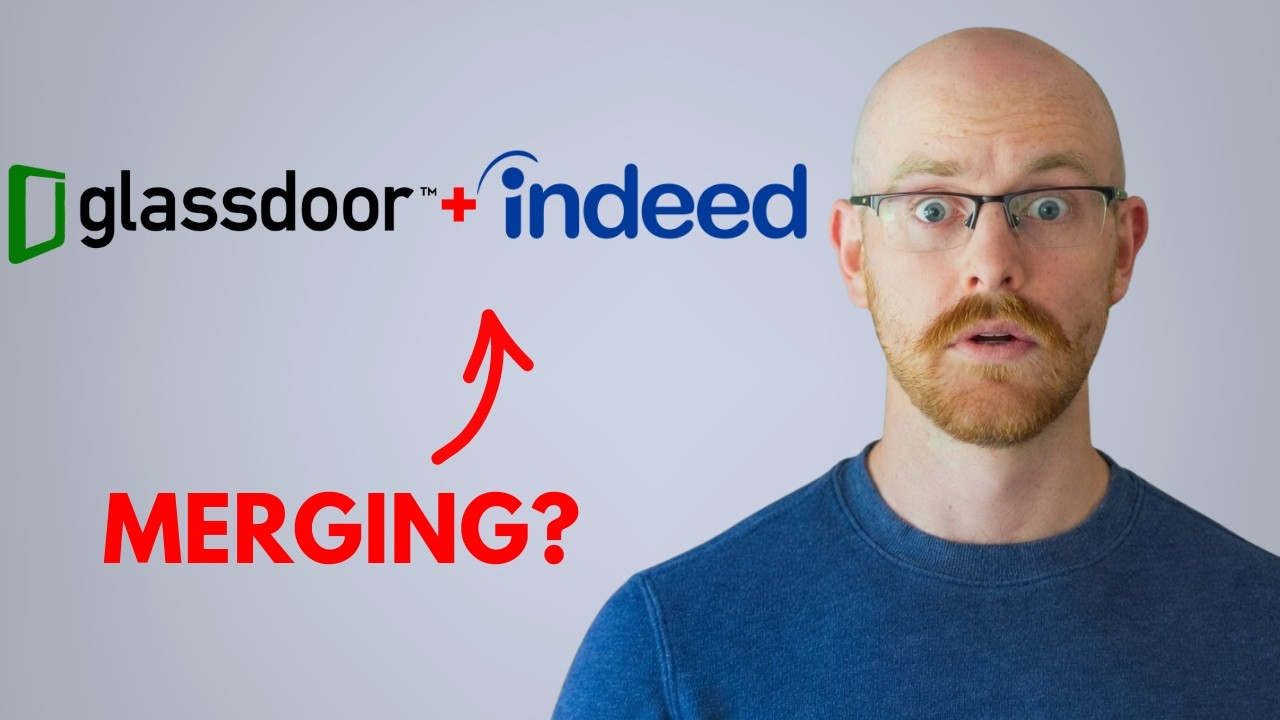
Glassdoor ve Indeed artık tek bir şirket altında faaliyet gösteriyor; Glassdoor markası Temmuz 2026'dan itibaren Indeed Incorporated çatısı içinde operasyonel hale geldi. Bu birleşme süreci aslında daha önceki yıllarda başlatılmış olsa da, kullanıcılar için herhangi bir işlem gerektirmeyen bu değişiklik sayesinde artık her iki platformda da tek bir giriş sistemi kullanılabiliyor. Her iki şirketin kuruluşundan beri vurgulanan temel vizyon olan iş yerindeki şeffaflığı korumak amacıyla yapılan anonim paylaşımların gizliliği tamamen korunmaya devam edecek; yani maaş bilgileri, çalışma deneyimleri ve geçmiş işverenler hakkında sağlanan tüm veriler yine güvenli bir şekilde saklanacak.
Bu birleşmenin kullanıcılar için hem avantajları hem de dezavantajları bulunuyor. En belirgin artı olarak artık tek bir platform üzerinden her iki siteye erişim sağlayabilmek ve iş ilanlarını sadece bir yere girerek otomatik olarak diğerine yönlendirilebilmesi sağlanıyor; ancak bu kolaylığın bedeli hesapların birbirinden ayrıştırılamamasında yatıyor. Kullanıcılar, hesapları tekrar bağlamak istediklerinde tek seçenek tüm hesabını silmek olacak ki bu da oldukça pratik olmayan bir durum. Ayrıca birleşmenin ardından şirketler yaklaşık 1300 çalışanının işten çıkarılmasına karar vermiş ve veri yönetimi açısından kullanıcıların kişisel bilgilerini silebilmesi artık daha önceki kadar kolay olmayacak, çünkü veriler iki ayrı sistemden tek çatı altında toplanmış durumda.
Teknoloji dünyasında yapay zeka yatırımlarına dair önemli bir gerçeklik de bu dönemde ortaya kondu; yapılan araştırmalar gösteriyor ki %57'si girişimci olan şirketlerin AI harcamalarının getirisini karşılayamadığı ve MIT'nin bağımsız çalışması da pilot projelerin ölçülebilir kârlılık etkisi yaratmadığını doğruladı. Yine de 2026'da üretim kapasitesinde iyileşme raporlayan liderler, yapay zekanın maliyetleri karşılamadığı halde işlevsel faydalar sağladığını belirtiyor; bu durum şirketlerin milyarlarca dolarlık yatırımlarının neden kârsız olduğunu sorgulamaya yol açıyor. Bununla birlikte ABD hükümetinin Anthropic gibi büyük AI firmalarını kullanmayı durdurmasıyla karşılık olarak Kaliforniya valisinin eyalet kurumlarına özel indirimli anlaşma yapması, regülasyonların nasıl şekilleneceğine dair ilginç bir örnek sunuyor.
Sonuç olarak Avrupa Birliği'nin 2026 Ağustos'unda yürürlüğe girmeyi planladığı ancak sektör bazlı yükümlülüklere ilişkin gecikmelerle 2028'e kadar uzatmayı düşündüğü yapay zeka yasası, küresel teknoloji şirketleri için ciddi bir uyum süreci oluşturuyor. AB'nin yüksek riskli sistemler konusunda uyguladığı sıkı denetim rejimi ve milyonlarca euroya varan ceza tehdidi, özellikle ABD gibi regülasyonlarda daha esnek davranan ülkeler için de uyarıcı niteliğinde; çünkü şirketlerin global olarak faaliyet göstermek istemeleri durumunda bu kurallara uyum sağlamaları zorunlu. Gelecekte yapay zekanın toplumsal faydası ve riskleri, hem Kaliforniya'nın deneme projelerini hem de AB'nin önleyici yaklaşımını gözlemlemek suretiyle netleşecek; ancak şu an için hükümetlerin AI kullanımına dair tutumlarının farklılık göstermesi ve bu alanlarda henüz evrensel bir standart bulunmaması dikkat çekiyor.
Read the full video transcript
Hello everybody, there's a lot of things
that's been going on in the world of
tech, data, and AI, and we're going to
talk about some of those things. The
first thing is that Glassdoor and Indeed
are now one company. And it says right
here that the Glassdoor brand is now
operating under the umbrella of Indeed
Incorporated as of July 1st, 2026. You
can see right here, no action is needed
from you, but you can continue to use
the one login we introduced earlier this
year. That was like a month ago. So now
you have one login for both of these.
And of course, it says Glassdoor was
founded with the vision of increasing
workplace transparency, and transparency
thrives when your anonymity is
protected. So all those anonymous
contributions that you make for your
salary and where you're working and how
many years of experience and all that
information, uh that is still all going
to be private. Now this is completely
new to me. Apparently, this is not new.
This was actually initiated back in like
2025. The merger didn't actually happen
until July 1st of 2026, and I'm just now
hearing about this for the very first
time just about two or three days ago.
Now genuinely, these are two of the
biggest platforms to apply to jobs
anonymous reviews for your previous
employers and get a lot of data on
things like salaries in different
regions and a ton of different stuff.
They're great platforms. I actually
really like Glassdoor for their feature
where you can go and you can say, "Hey,
I live in Dallas, Texas. I have this
many years of experience." And then they
give you information on what you should
be expecting in terms of salary in the
next year or what kind of companies
are hiring for that stuff. It's a really
great feature. I have talked about it
many times on my YouTube channel. So of
course, this is just really interesting
to me. Now there are some pros and there
are definitely some cons of this type of
merger for you as a job applicant or for
somebody who wants to be using these
platforms. The pros are you just log
into one and you have access to both cuz
you're going to link your accounts and
you're just going to have to go to one
platform now. You won't have to go to
two separate platforms, apply to
different places, it's all in one place.
So for that, it's makes it a little bit
easier, I guess. All the anonymity and
all the anonymous posts that you can put
and all the reviews of your previous
companies that you can put, those are
all still the same. So, not much has
changed there. And if you are actually
posting a job, you're like the company,
you're saying, "Hey, I want to hire
somebody." You don't have to post it to
platforms anymore. You just post to one,
and it'll go to both platforms cuz you
have everything linked to both cuz they
still are separate websites. They're not
just one website. So, there are pros to
it, but here are some of the cons, which
I definitely think are cons. One, you
can't unlink your accounts. So, once you
link both of these accounts, the only
way you can unlink them is if you just
delete your entire account, which is not
optimal at all. The next thing is that
Glassdoor and Indeed actually laid off
about 1,300 employees because of this
merger. So, they were like, hey, we're
merging together. We don't need a full
company for both of these. We just need,
you know, some combination of that. They
let go of over 1,000 people. That's a
lot. That's not really a great thing.
Now, when two companies come together,
oftentimes it's because they want your
data in a different way or they want to
merge this data or sell this data or
different things. And 100% that is
happening here. Is your data is going to
be in two separate places, and if you
want to delete it, apparently it's not
as easy as it was before. The next thing
is that AI ROI fails to outpace spend
for 57% of enterprises, unchanged since
2025. Now, right down here is something
I thought was interesting. It says that
independent research from MIT reached a
parallel conclusion just 1 month later,
finding 95% of organizations running AI
pilots on no measurable profit and loss
impact. This is not breaking news as a
lot of other studies have showed this,
but a lot of companies are implementing
a ton of AI stuff, but they aren't
necessarily
getting a big return on it, right?
They're spending, let's say, 10 million
and they're making like 10 million
dollars in ROI from it. So, they're not
losing money, but they're definitely not
gaining money. And so, if you're putting
this huge investment into this new
technology, you're expecting kind of a
return on that. This survey was of 639
senior enterprise AI leaders, and they
said 93% reported improved production
capability in 2026, up from 88% in 2025.
So, it's not that AI is not helping,
it's not that AI isn't a good thing,
it's just not making them more money.
And so, that is kind of an important
thing in the business aspect. I think
you can all agree that if you're
investing, you want to make money. And
so, this is just really interesting. I
mean, as the years go on, I think you're
going to see more improvement in AI.
It's going to have more capabilities,
it's going to do more things, but are
companies actually making money from
this? Are they willing to invest, you
know, millions and millions of dollars
into this technology if they aren't
going to be making money from it? That's
something that we will only know in the
future when that happens. Something that
you may have seen several months ago was
that the White House and the federal
government are no longer going to be
using Anthropic, one of the big AI
companies. This was announced a few
weeks ago, and now it is being
implemented, but Governor Newsom of
California, of course, announces the
first of its kind partnership providing
Anthropic tools to state agencies and
improving services for Californians. It
says right here, "Claude will help state
workers with a wide range of tasks,
including drafting and summarizing
documents, analyzing information,
supplementing day-to-day work, and
improving services for Californians."
And of course, they're getting this at a
50% discount because this is not a small
purchase. This is, of course, you know,
just an entire state using it for all
their workers. That's tens of thousands
of people. I don't think this is
necessarily a bad thing at all. I don't
think that companies or governments
should ban AI outright. I just think
there should be more limitations on it.
I mean, we're talking about the
government, right? We don't just want
the government using it however they
want. There should be rules and
regulations and laws in place, which, of
course, America's really far behind in
any type of regulation. And speaking of
regulation, it says right here, "US
companies face EU AI Act possible August
2026 compliance deadline." That US-based
businesses that operate high-risk
artificial intelligence systems should
be mindful of the August 2nd, 2026
compliance under the European Union
Artificial Intelligence Act. So, the EU
has come out with a lot of regulation
around the use of AI. This was months
ago, but they set a deadline for August
2nd, basically saying that if you do not
comply with this, you can no longer
operate as a business or within the EU,
and that is huge. Although yes, they
said August, they recently voted to
delay it until December 2027 and even
further into August of 2028 for
sector-specific obligations. So, they're
just going to delay this. It's going to
take a while. But, the European Union
has been known for a lot of regulation,
especially in the tech space. So, if
nothing else, this is a big wake-up call
for a lot of AI companies and how they
distribute it across the world because
almost all these companies want to be
everywhere. They don't just want to be
in the US. Now, what happens if these
companies just decide not to follow this
regulation or these rules, which we have
absolutely seen in the past? Uh it says
right here, companies can be fined up to
15 million euros or 3% of the company's
global annual turnover. That is not a
small sum. That's a big amount. I mean,
3% of a company worth billions of
dollars can be hundreds of millions. And
so, companies are going to take this
seriously. For smaller companies, I
mean, 15 million years could be all the
money that they have. So, I guess it
just depends on a case-by-case basis of
the severity and how much they're
actually going to be fined. I think when
it comes to governments using AI and
just all these rules and regulations,
whether it's within California or the
American government or it's the EU and
their regulation, it's just that there
is nothing that is the same. Right? The
American government does things their
way, the Chinese government does things
their way, the EU is going to do things
their way. There isn't a lot of
agreement on how these things should be
handled. And if I know how the US
operates, it's kind of with a loose
cannon, right? We just tend to go for
things, make a bunch of mistakes, cause
harm in a lot of instances, but then
over time, we will adopt these
regulations. The EU tends to be a lot
more proactive where they're saying,
"Hey, we know and we've been looking
into the potential side effects of
these. We're going to catch it early so
that it doesn't kind of blow up in our
face." Yes, we are going to be behind
when it comes to building out AI and all
these different things, but we're not
going to have a lot of the adverse
effects that may happen within the US.
So, we will see what happens especially
in California when they're rolling out
Anthropic to basically everybody. Will
there be a lot more issues in California
with a lot of people just, you know,
replying to AI, writing with AI, doing
everything with AI, and nobody actually
knows what they're doing? Or will it
actually benefit and get things done
faster? If I know the government, that's
not going to happen. Nothing gets done
fast in the government. But, uh it will
be interesting to see if they come out
with actual data to support any findings
whether good or bad. With that being
said, that is all we have for this week
in tech data and AI. I hope that was
helpful. I hope that was interesting to
you. If it was, be sure to like and
subscribe, and I will see you next week.