Video summary
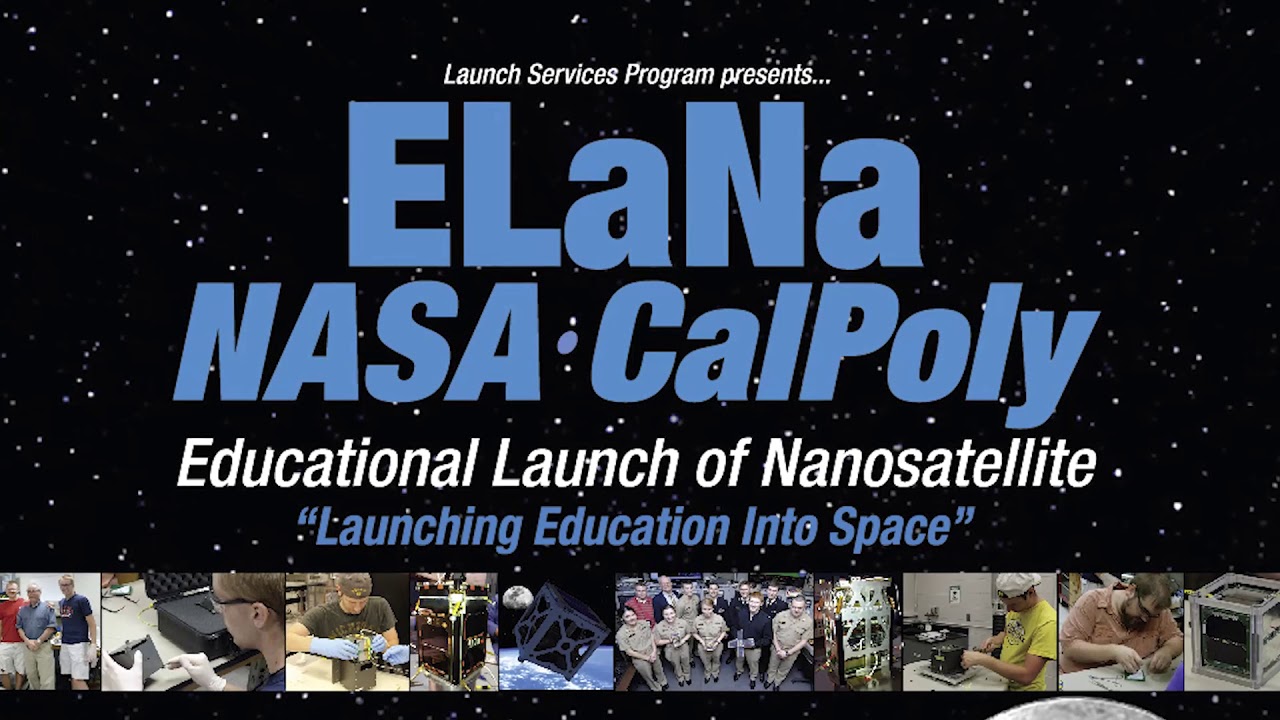
The video introduces the Educational Launch of Nanosatellites, commonly known as ELA Na, an initiative managed by NASA's launch services program at Kennedy Space Center. This program was created to address the critical need for engaging students in science, technology, engineering, and mathematics fields, effectively investing in the future workforce of the nation. By establishing this specific mission type, NASA ensures that student interest in STEM disciplines is not only attracted but also sustained through practical, hands-on experiences involving spaceflight.
Prior to the establishment of ELA Na, students who built nanosatellites or CubeSats faced significant challenges in getting their small payloads into orbit, often having to wait for rare and perfect opportunities that sometimes never materialized. The new initiative fundamentally changed this landscape by providing sustainable launch opportunities for high school and graduate students across the nation. Under this program, if a student team builds their satellite, submits a proposal, and is selected for an ELA Na mission, they are guaranteed the chance to fly their satellite into space, removing the previous uncertainty that plagued educational projects.
The video highlights that Kennedy Space Center, while famous for its large launch vehicles, also manages this exciting educational initiative that bridges the gap between academic research and actual spaceflight. To further support educators and researchers interested in these missions, NASA has made a conference paper titled "ELA Na: Educational Launch of Nanosatellites Enhances Education Through Spaceflight" available on the NASA Technical Reports Server. This repository serves as one of the world's largest collections of aerospace scientific and technical information, containing records that span from the NACA era to current cutting-edge research, ensuring that knowledge about these educational missions is widely accessible.
In conclusion, ELA Na represents a strategic effort by NASA to democratize access to space for students, transforming them from passive observers into active participants in space exploration. By providing reliable launch slots, the program empowers the next generation of engineers and scientists to test their innovations in the real environment of orbit. This initiative not only enhances educational outcomes but also fosters a deeper understanding of aerospace capabilities among young people, ultimately contributing to a more skilled and innovative workforce for the future.
Read the full video transcript
hi I'm Vince Whitfield with a NASA
scientific and technical information
program NASA understands the importance
of attracting and retaining a student's
interest in the science technology
engineering and mathematics disciplines
by creating missions and programs
specifically to engage stem students the
agency is essentially investing in the
future of the nation's workforce today
we're at Kennedy Space Center which is
well known for its launch vehicle
capabilities but did you know that the
launch services program here at Kennedy
manages an exciting initiative known as
educational launch of nano satellites or
Alana before the initiative student
builders of nano satellites or cube SATs
had to wait for the perfect opportunity
to send their small satellite payloads
into space in some instances the
opportunity never came but since the
inception of the Alana initiative nASA
has been providing a nation students at
the high school and graduate school
levels with sustainable launch
opportunities educational cube sets now
students know that if they build their
CubeSat submit their proposal and are
selected for an Alana mission they will
have the opportunity to fly their
satellite
to find out more about Kennedy's
nanosatellite missions you can find the
conference paper titled alanna
educational launch of nanosatellite
enhances education through spaceflight
on the NASA technical report server
which is one of the world's largest
repositories of aerospace STI and
features records ranging from the NACA
era to today's cutting-edge research
that's all for today and thanks for
watching we'll see you next time
you