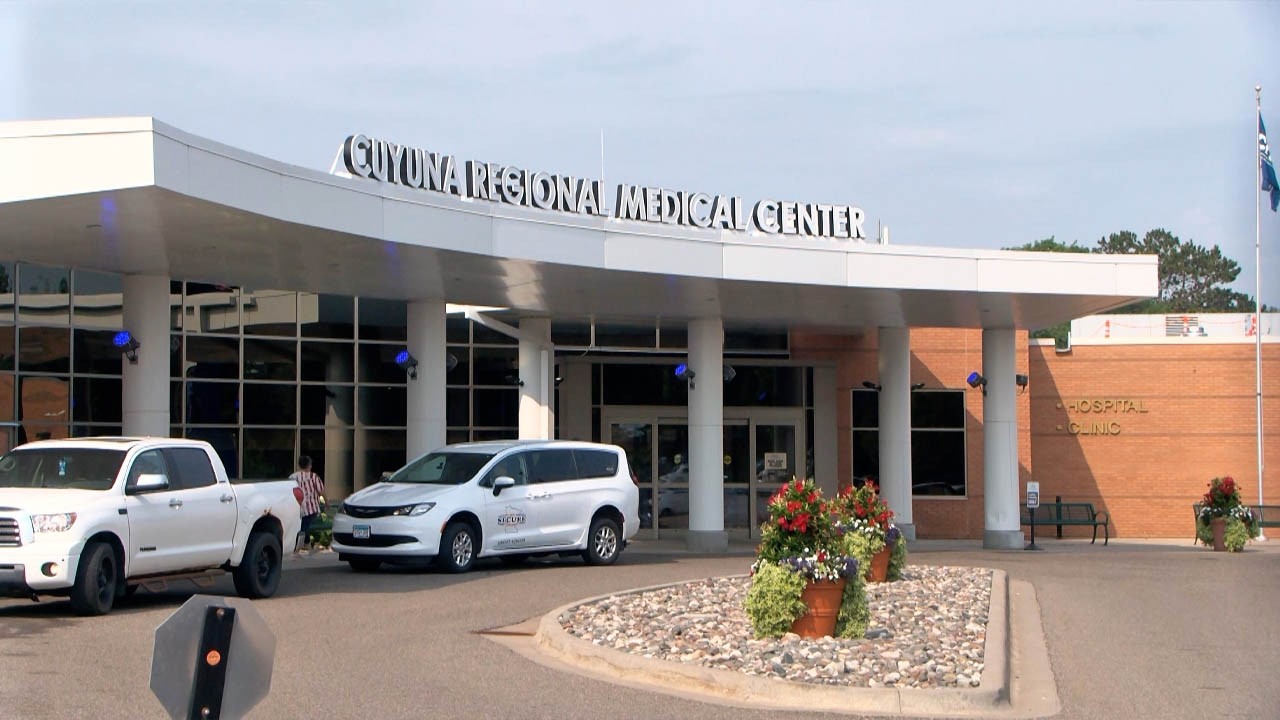
CRMC in Crosby Plays Pivotal Role in Type 2 Diabetes Treatment Study | Lakeland News
Watch on YouTubeVideo summary
The Cuyuna Regional Medical Center (CRMC) in Crosby has become a landmark location for medical innovation by being selected as one of only three sites across the United States for a groundbreaking first-in-human clinical trial focused on Type 2 diabetes treatment. This pivotal study is part of an international effort led by Dr. Howard McCollister and Dr. Paul Sieverson, both former general surgeons at CRMC who are now driving this new therapeutic approach. The research highlights how advanced endoscopic technology can offer fresh hope for patients who continue to struggle with blood sugar control despite adhering to lifestyle changes and existing medical therapies.
At the heart of this study is a novel therapy known as pulsed electric field treatment, or PEF, which utilizes specific electrical pulses applied via an endoscope to target the lining of the small intestine. The goal of targeting this area is to restore metabolic functions that may have been impaired by diabetes. During the trial, researchers monitored patients for 48 weeks and found that the therapy was not only safe but also feasible and promising. Participants experienced measurable improvements in key health indicators over time, including better fasting glucose levels and improved overall metabolic markers, demonstrating the potential of this non-drug based intervention to enhance long-term health outcomes.
Beyond the clinical data, the video emphasizes the profound trust placed in CRMC by its community members who volunteered for such a high-risk study where even death was considered as a possible outcome on the risk list. The medical team expressed deep gratitude and pride at being chosen to conduct this first human trial within their institution, noting that patients' willingness to participate reflects a strong belief in the doctors' commitment to honesty, good care, and continuous improvement. This collaboration between industry leaders who have worked globally and local physicians underscores a shared vision of making things better for everyone involved.
Ultimately, CRMC has earned its reputation as "the gem of the north" through this dedication to shaping the future of medicine while caring for patients today. The success of this study suggests that less invasive treatments could soon become an additional option for those with Type 2 diabetes, reducing reliance on medication and offering a new pathway to improved quality of life. As CRMC continues its role as the lead enrolling site in this international clinical trial, it stands as a beacon of innovation where advanced technology meets compassionate care to address some of the most challenging health issues facing society today.
Read the full video transcript
The Cuyuna Regional Medical Center is
one of the only one of only three sites
selected in the United States for a
first-in-human study focused on advanced
technology treatment for type 2
diabetes.
The study is part of an international
clinical trial and is led by Dr. Howard
McCollister and Dr. Paul Sieverson, who
are each former CRMC general surgeons.
Reporter Miles Walker has the story.
>> CRMC is involved in a study addressing
advanced endoscopic technology for type
2 diabetes, which highlights the
potential for future opportunities in
additional disease treatment.
>> very early into the development of this.
Uh, went down for um, animal testing and
things like that. And then
it's it came to the point where it
evolved enough that now,
you know, FDA and all of those types of
things had to see if this was going to
be safe.
>> involved a first-of-its-kind therapy
called pulsed electric field treatment
or PEF, which targets the lining of the
small intestine to help restore
metabolic functions. The hope is that
for patients struggling with type 2
diabetes despite medication, that this
approach may one day offer an additional
option for improving blood sugar
control.
>> We see type 2 diabetes every day,
multiple times a day. And so this was
exciting, um, to do uh, this was a very
new therapy. We have lifestyle diet
modification, we have medical therapy.
Um, people are familiar with diabetes.
Um, however, this was an endoscopic.
>> The research followed patients for 48
weeks and found that the PEF therapy was
safe, technology feasible, and promising
as patients did see improvements in
blood sugar levels, fasting glucose, and
metabolic markers over time.
>> again privileged, proud, blessed, all of
the things to say we did the first human
in the United States of America here at
this institution. I would like to give
the community praise. We had to go
through the possible risk list. The last
one was death. We don't know. I think
there's just such a joy in that to them
trusting us on what we do here.
>> Innovations like the PEF therapy are
intended to provide hope for future
treatment that could be less invasive,
non-drug based, and help improve
long-term health outcomes. CRMC
physicians are committed not only to
caring for patients today, but also to
shaping the future of medicine tomorrow.
>> CRMC has been called many, many times
the gem of the north.
>> So, these are people in industry who
have been all over the world, I would
say. You're going to get truth, honesty,
good care, and love no matter what, and
constantly looking to make things
better.
>> Reporting in Crosby, Miles Walker,
Lakeland News.
>> CRMC served as the lead enrolling site
in this international clinical study.
>> Lakeland News is a non-profit news
organization. Donate to Lakeland PBS
today to support your local news team.