Video summary
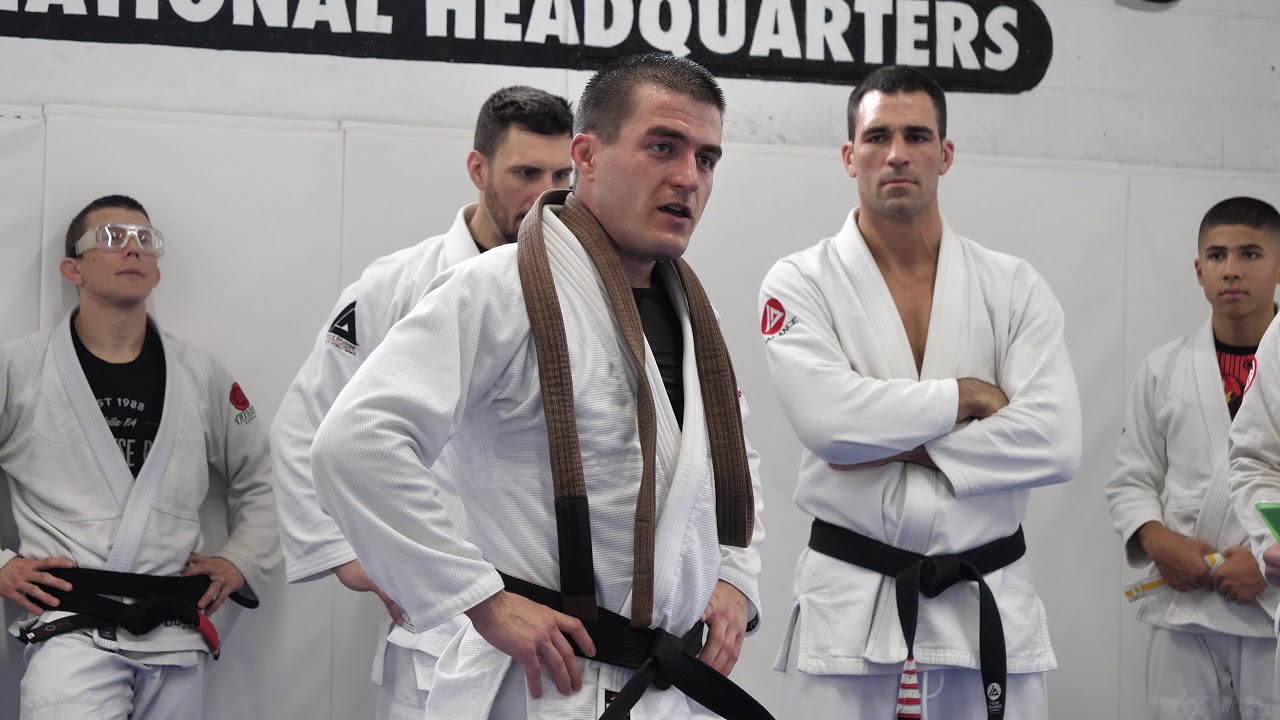
In this profound reflection, the speaker articulates a transformative realization gained through years of rigorous mathematical study and academic pursuit. Despite holding a PhD and identifying deeply with the label of being a nerd, they acknowledge that their most significant lessons regarding life and the human mind were not found within traditional school settings but rather in the quiet introspection following those experiences. This journey led to two pivotal understandings: first, the humbling truth that one is not inherently special or gifted without effort; second, the absolute necessity of relentless hard work if one aspires to achieve greatness in any field, whether it be building advanced robotics, knitting intricate patterns, or mastering a folk song like yodeling. The speaker emphasizes that excellence demands an intensity of labor that surpasses all else, noting that no amount of natural talent can compensate for the absence of such dedication. They illustrate this principle by stating that to become the best in the world at any specific endeavor—be it engineering superior robots or excelling in a niche hobby—one must work harder than anyone else currently competing in that domain. This perspective dismantles the myth of innate superiority, replacing it with a clear-eyed view where success is strictly correlated with the volume and quality of effort invested over time. A significant portion of this discourse addresses the emotional landscape of competition and failure, drawing upon personal history as someone who competed frequently and suffered greatly from losses in those arenas. The speaker recalls a specific moment involving Lex Fridman, likely during a conversation about an upcoming big competition where only fifteen people were participating in that division. In that instance, despite expressing anxiety about winning or losing, the mentor figure offered unconditional support, assuring them that regardless of the outcome, they would still have a home and be loved unconditionally. This interaction served as a crucial turning point in learning to detach self-worth from competitive results. The narrative concludes with a deep appreciation for the pain associated with growth and struggle, framing it not merely as an obstacle but as an essential component of development. The speaker explicitly thanks their mentors or guides for allowing them to experience this necessary suffering, suggesting that avoiding hardship would stunt personal evolution. By integrating these lessons about humility, the mechanics of hard work, and the resilience required after failure, the individual has forged a more robust understanding of what it means to pursue mastery while maintaining emotional stability in the face of inevitable setbacks.
Read the full video transcript
so I've learned more in these maths than
I have in all my years I'm a nerd I got
a PhD I learned more about life about
the mind that these masks that I have in
all the years of school and I think two
things two of the biggest things I took
away is the humbling reality that I'm
not special and if you want to be good
at anything you have to work really hard
and if you want to be the best in the
world at something like I do I want to
build robots better than anybody else in
the world or whether that's knitting or
yodeling anything you have to work but
York ever worked harder than anyone else
in the world and the second lesson I
learned I used to compete a lot they
lose a lot and he used to I used to hurt
to lose and I remember I don't know if
the remembers this conversation but I
think it leaked Bluebell I was going to
a big competition and I said you know I
don't know I'm gonna win it's like 15
people division and you said well give
everything you can to win but whether
you win or lose you're still gonna have
a home here I'm still gonna love you so
the two things I'd like to say thank you
for is the pain