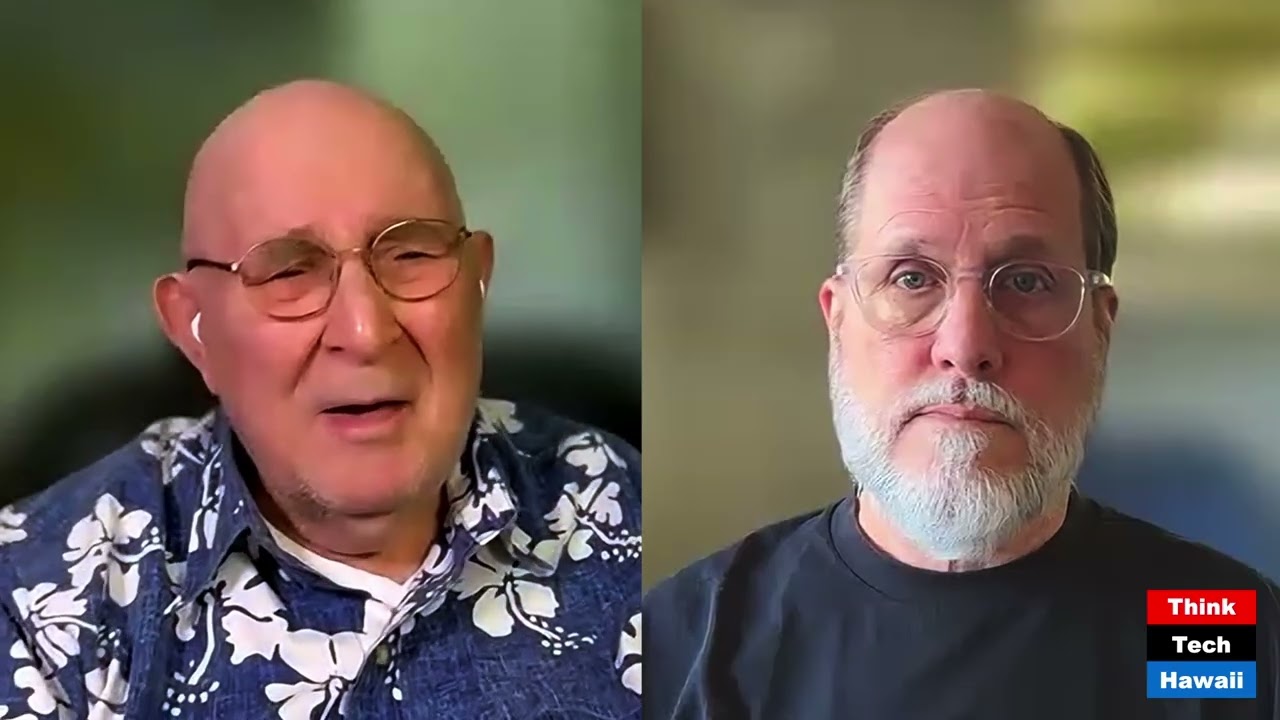
As Trump Ruins the USA's International Reputation (Connecting the Dots)
Watch on YouTubeVideo summary
The video argues that Donald Trump has severely damaged the United States' international reputation by abandoning established post-World War II diplomatic norms, including foreign aid and strategic alliances. This shift is characterized as a move away from the US's historical role as a generous ally, exemplified by initiatives like the Marshall Plan, toward an approach rooted in bullying, xenophobia, and a distorted sense of "manifest destiny." Specific actions cited include the creation of the Department of Government Efficiency under Elon Musk to arbitrarily cut foreign aid, hostile rhetoric targeting allies such as Canada and nations in Latin America and Europe, and threats regarding Greenland. Furthermore, the administration's domestic policies, such as the use of "calming cages" for immigrants and attacks on protesters, are presented as hypocritical contradictions to American claims of promoting democracy and civil rights globally, while geopolitical instability is exacerbated by initiating conflicts with Iran and failing to effectively support Ukraine.
The erosion of trust caused by these actions, amplified by Trump's media presence and the enabling of controversial figures within the government, threatens US hegemony on a global scale. The video suggests that this reputational damage could lead other nations to form a "basket of currencies" to replace the US dollar as the primary global reserve currency, fundamentally altering the international economic order. To repair this extensive harm, the hosts contend that there must be accountability through public trials for officials involved in corruption or abuses, official apologies, and the implementation of safeguards against future authoritarian overreach. Without these measures, the lasting impact on America's standing will continue to grow, making it difficult for future leaders to restore the nation's former influence.
Beyond immediate policy failures, the video addresses the skepticism held by Europe and other nations regarding America's claim to be "back" after a period of decline. The argument posits that the US appears to oscillate between stability and instability, suggesting a flawed system that prevents a true return to its former standing. Historian Jack Balkan's observation is invoked to reinforce the idea that every leader casts a long shadow on history; consequently, even a future good president cannot completely reverse the damage caused by previous administrations due to entrenched opposition and the enduring nature of historical fabric. While acknowledging that nations like Germany and Japan successfully reformed after atrocities under tyrants, the speaker notes that such reputational damage does not vanish but can only be managed over time, leaving the ultimate outcome dependent on whether enough people globally will change their opinions.
Ultimately, the video concludes that despite efforts to do what is best, the result remains uncertain as Americans finally realize that extreme political shifts previously thought impossible are occurring right now. The feeling of living through "the worst of times" is juxtaposed with the harsh reality that the country's international standing has been compromised by a combination of aggressive rhetoric, broken alliances, and domestic hypocrisy. The path forward requires not just policy adjustments but a fundamental shift in how the nation perceives its role in the world and accepts responsibility for the long-term consequences of its actions. As the global fabric adjusts to these new realities, the US faces an uncertain future where its ability to lead depends on whether it can rebuild trust and demonstrate a commitment to stability rather than volatility.
Read the full video transcript
Welcome to Connecting the Dots on Think
Tech Hawaii. I'm your host, Jay Fidel.
This episode is entitled, As Trump Ruins
the USA's International Reputation. What
are the dangers? Our co-host for the
show, Dotto Brown. Welcome to the show,
Dodto.
>> Thank you for having me, Jay. And as I
always say, you and I have a great deal
to talk about.
>> You bet. National alliances, national
reputation are really important these
days. Uh alliances, reputation and
multilateralism are critical to national
influence. In fact, we were doing pretty
well after World War II, but things have
changed. So, can you tell us how it was
before before Trump? How are we doing?
And uh how has Trump changed that?
>> Well, it was realized after World War
II. Okay, to to back up, in 1945, World
War II ended and there had been massive
wars, massive destructions, huge number
of people killed in both Europe and in
Asia. And while some parts of the world
were pretty much untouched, there was a
very strong economic effect throughout
the entire world, throughout all
countries. The United States came out of
World War II in a position of
unparalleled strength because very
little damage to no damage had been done
to the country's infrastructure. The
United States had kicked up its
manufacturing capabilities tremendously
in order to produce war material and it
was very rich particularly in comparison
to most of the everybody else in the
entire world particularly the areas that
have been destroyed in the war. So
during this time period, the USA assumed
a role which people realized was
necessary in assisting rebuilding and
also putting a lot of attention towards
international relationships,
building alliances, building friendships
and if necessary giving substantial
grants which consisted of either cash
andor shipments of food, shipments of
material, shipments of uh vehicles
whatever it was to countries throughout
the world. And it was during this time
the United States and Russia or the USSR
as it was at that time were the two main
adversaries. And the US realized okay we
don't want another war. Nobody wants
another war. This was a catastrophic
horrible war. We don't want that. What
we do have to do is try to counter the
actions of the of the countries we don't
like that we are opposed to through
kindness and through gifts essentially.
If you want to say they're bribes, okay,
they're bribes, but they had an
altruistic useful good. They were done
for a good reason. And after World War
II, Europe in particular was rebuilt
through something called the Marshall
Plan, which was essentially a tremendous
amount of aid given to Europe so that
the countries that received it would
like the United States and want to be
friends with the United States to
counter the influence of the USSR, which
had taken over a great many countries in
Europe. And it was also the time that
for example the Chinese government
shifted to being a communist government
again allied with the USSR. So the USA
during this period from the late 40s
onwards up until just 2025 last year was
still giving grants for the exact reason
that I just said. You want alliances.
You want friends. You want people to be
on your side. And you may not need to
call upon those friendships for a long
period of time, but if there is some
reason to do it, you want them there.
Now, I also have to say too that behind
the scenes, the CIA was manipulating
things, murdering people, overthrowing
governments, etc. So, it was not like
the United States was just a ray of
sunshine everywhere doing good deeds,
because it wasn't. But nonetheless, a
lot of people benefited and therefore a
lot of people in other countries were
favorably disposed to the United States.
In addition to I just want to mention
too, the USA continues to be extremely
popular and extremely influential in
popular culture. So that a lot of people
like United States music. They like
United States fashions and other things
like that. They still look to the United
States for these types of things that
are fun. And a lot of people now learn
to speak English, American English,
online through things that people from
the United States post. So, we're still
the USA is still important. But what's
happened with Trump?
Donald Trump, let's go to the big the
basis of this whole thing. Donald Trump
is a petulant, spoiled brat. Donald
Trump is an immature child who has
tantrums,
has grudges, gets angry about something
illogical, and then stamps his feet and
says, "I'm going to hurt them. I'm going
to do something bad to them." And Donald
Trump is enabled by a whole core of
Republicans as well as all the people
directly around him who give in to every
one of these whims. So, Donald Trump
will say something that just comes into
his mind and then it gets put into
effect. The thing that really did damage
to this effort of the United States to
be a good buddy to people was that right
after Trump took power in 2025,
he buddied up to his friend Elon Musk,
the richest man in the world, and said,
"Here, Elon, go into the government and
cut whatever you want." And Elon created
something called Doge, Department of
Government Efficiency, quote unquote.
And with a group of immature tech kids
who weren't even given security
clearances, he just he and they just
dove into the workings of the federal
government of the USA and just
arbitrarily destroyed, cut, damaged,
ruined whatever crossed their little
brains. And one of the things that they
targeted was foreign aid because they
said, "Well, taxpayer money shouldn't be
given away to these other countries."
And that's a very MAGA kind of concept.
This is all for us. We don't owe them
anything. They're supposed to come to us
and beg if if we're going to give them
something. We don't give away things. So
with that attitude,
tremendous amount of cuts were made and
all of these connections that had been
established for decades were just wiped
out. Now at the same time, Donald Trump
in again his petulant grudge moods gets
angry at other countries and starts to
insult them. Gets angry at other
countries and threatens to throw tariffs
at them. gets angry at other countries
and says, "I'm going to literally take
over your country." This kind of insane
um you know, world domination,
dictatorship things, we haven't seen
that really for a good long time on the
planet Earth. And to think that it's
coming from the United States president
is horrifying. So those two factors have
really damaged the United States
reputation in the rest of the world. And
there are a number of thoughtful people
in other countries that understand that
this is happening because of one crazy
uncontrolled man who is currently the
president. But the really scary idea,
the really scary thing that we've got to
keep in mind is even if we think we can
or want to or want to try to rebuild
those alliances, even if we go in and
start up our aid programs again and we
apologize to other countries, which is
going to be necessary. It's going to be
necessary.
Even if we do these things, we have no
guarantee that the good feelings are
going to be restored. Some of the damage
could very well be permanent. And that's
something that the United States is
going to have to live with. And for all
of the MAGA people who say they don't
care that quote they need us more than
we need them, in other words, the rest
of the world.
All kinds of bad stuff could happen
that's going to end up doing significant
damage to the United States which
ignorant, shortsighted,
xenophobic people will not recognize,
will not see, and don't care about until
all of a sudden something goes wrong and
it affects them and suddenly they are
going to be slapped in the face with
this is what you supported. This is what
happened because of that man that you
voted for and put into power.
>> Yeah. Oh, you covered a lot of ground on
that. I'd like to drill down on some of
the points you made. So, this whole
thing about manifest destiny is it's
it's targeting I I use the current
tense. It's targeting certain places in
the world and essentially destroying
relations uh with the countries that
it's targeting. I list them. Uh, and
there are more, but Greenland, Canada,
Mexico, Panama. We haven't heard much,
but he was attacking Panama, Venezuela.
He did in fact attack Venezuela. Um, and
of course the insults directed at
countries in the EU and the EU generally
in NATO. Uh, and of course USAID, you
mentioned that. And he has failed to
help Ukraine. He has not followed
through on doing that. Left it to
others. um and of course this crazy war
against Iran. So I I get two kinds of um
countries reacting. One is a country
that that has been attacked that he has
been attacked that that he has attacked
and the other kind is is that he is you
know not attacked but they they see
what's going on. In a world of
television, in the world of media, the
whole world sees what he is doing. Even
if they are not being directly attacked,
even if they are not, you know, in the
strict sense allies of the United
States, they could be or at least they
could be on the sidelines, not anti-
United States. Um not and they could
they could have um you know some feeling
about us even though uh our reputation
might not be as good as with an ally per
se. The world is watching. Media is
everywhere. And the message that comes
out of this, including those remarkable
statements, you know, they need us, we
don't need them. Imagine going on the
world stage and saying that, you know,
you're not going to make much friends
that way. It's it's a it's stupid and
and terrifying. Uh and everyone in the
world sees it. So my first question to
you is um you know it's more than just
the countries involved. It's more than
just the traditional allies of the
United States. It's the whole world sees
this and thus our reputation and that's
the right word to use affects everyone.
Everyone good, bad and otherwise. Do you
agree?
>> Yes, I absolutely agree. And one of the
big problems is that Donald Trump is a
bully. Donald Trump is actually a very
scared person who's very threatened and
easily hurt, but he covers that up with
aggression and insults. And again, it's
a typical bully thing. A bully will talk
big, but then when they're pushed into
the corner and it starts to get scary
for them, a lot of times they'll fold.
Now, Donald Trump is not going to be
it's not going to be possible to push
him into the corner because he's got so
many people in the federal government
that will bolster him and keep him
going. That that isn't going to happen.
But that is what he is. And the problem
is that he sees that as strength. He
sings he sees that as power. He has
spent his life being a tyrant. He has
spent his life backed up by money to be
able to threaten people, to walk around
and talk like he's a big strong guy.
Well,
again, he sees that as power. The
problem also is that there are a lot of
people in the MAGA base, which
fortunately is now only about a third of
the country, but that's still a big
chunk of people. A lot of those people
also agree that him insulting people,
him picking on other countries, him
retaliating for no reason, they see that
as power, too. They fall in with his
whole idea or what he has espoused of
all these other countries take advantage
of us. All these other countries have
done stuff to us. Now we have to take
vengeance against them. And a lot of
this is just imagined. But a lot of it
is also this is what intelligent people
did to set up the United States to the
position that it was in so that it was
powerful without people insulting,
without people being a bully on the
playground in second grade.
But it was done through diplomacy. It
was done through negotiations. It wasn't
done by walking into the room and
insulting people. So this is again
Donald Trump does this. Donald Trump
thinks it's powerful. Donald Trump's
base thinks it's great and they cheer
for him to do this. So that is the
reason that all of this is going on and
all the thoughtful diplomacy that I
mentioned that led up to this point that
the United States did for decades is now
been kicked aside because a crazy guy is
running everything. So yes, everybody in
the world sees this. You're absolutely
right.
Donald Trump is in such a position of
power. Donald Trump loves publicity.
He's always loved publicity. He's always
loved to be the center of attention. He
thinks again that that strengthens him.
That shows his power, etc. So, of
course, now he's the most publicized
person in the whole freaking world. And
he glories in it. And if anybody snipes
at him, he has to pull back and and try
to insult them. Even though it's those
snipes hit him where he's delicate,
which I take great power, I take great
pleasure in when he does get angry and
get hurt. But unfortunately, then he
takes vengeance. But
he gets so much publicity and he does
this again through outlandish stupid
statements that
on one hand again are part of his
general personality but also it's very
likely that he has dementia. And when
you have dementia, the the things that
were formerly in your brain that kept
you from doing outlandish things, kept
you from doing offensive stupid things,
those fall away. The filters go away,
the barriers get knocked down. And then
the first stupid thing that comes into
your mind, you just blurt it out. And
that's also what he does, which causes
all of this international damage. Now,
what has he done as examples? You
mentioned these other countries.
Canada,
Canada is absolutely
there is no reason to attack Canada.
There's no reason for him to have gotten
this concept in his empty head that
Canada should be picked on. Canada's
like the country, the United States
closest ally that's always been
supportive. But he goes into this crazy
thing of intentionally saying, "You
people are so insignificant and so
stupid and so worthless and so beneath
us that we're just going to take you
over and make you the 51st state." What
an insult. And it's again intentionally
to belittle the entire nation of Canada.
Um what else has he done? He has
actually come out and said
the United States quote needs
Greenlight. And this is totally what you
said, manifest destiny. It's uh it was a
the a founding or a very foundational
part of the United States in the 1700s,
the 1800s into the early 1900s of the
USA has
land granted to it by God because a lot
of this was based on Christianity. And
the United States is therefore entitled
to occupy all of North America from the
Atlantic coast and the Pacific coast
down to the Gulf of Mexico, not the Gulf
of America, up to where Canada was. And
there was diplomacy to set the
boundaries between those two countries.
And so the United States says all of
this is ours. We are entitled to it. It
God granted it to us. And then we can go
beyond. We can take the Hawaiian
Islands. We can take Guam. We can take
the Philippines, we can take Cuba, we
can take Puerto Rico, and then if we
want to go into um Central America, we
can take parts of Central America. And
even if we don't take over Central
America, we can assist through
government shenanigans uh companies,
American companies to take over parts of
Central America. So everything within
this sphere surrounding the continental
US became targets of we're entitled to
take it and therefore we shall.
After World War II, the that went away.
It wasn't overt manifest destiny. It was
we will build our influence through
foreign aid and diplomacy.
Sometimes we will interfere and actually
cause havoc to benefit us, but most of
the time we're going to do it through
being nice or being friendly or being
helpful or being generous. And that's
where the United States got to based on
all of those concepts, which again,
Donald Trump comes along and looks at
all that as weakness. So therefore we
must destroy it, we must threaten, we
must bully. And unfortunately he
installed Pete Hegsth as the uh
secretary of defense who of course then
immediately changed his title to
Secretary of War. Pete Hgse is a total
enabler who is completely incapable of
doing the job that he was that he was
named to do because he has no business
even being near that position. But
again, Hexath is doing all exactly the
same things under the toutelage and
under the support of Donald Trump of
threatening bullying. And then this
whole crazy idea of macho masculinity is
the foundation of the military. So we
must get rid of females who are weak and
we must get rid of people who aren't
white because, you know, white people
want to rule the world through the
Christian nationalism credo that he's a
part of. And so that's a good a big part
of this whole thing that we see going on
under the leadership of Trump. Again,
threats of violence, threats of, you
know, threats, threats of taking over
other countries. That's what Hitler was
doing. That's how the third that's how
the Second World War started in Europe.
That's how the Second World War started
in Asia. Japan was threatening and
taking over other countries through
warfare. Hitler and Germany and the
Nazis took over other countries through
warfare and Donald Trump is following in
those footsteps of fascist dictatorships
and there are people who are cheering
him on. It's absolutely insane. Now, one
other element here, another dichotomy,
another
phenomenon
is uh what happens domestically. That's
one thing when he goes out and does
manifest destiny, attacks other
countries, insults other countries, uh,
and makes ridiculous public statements
in an attempt in an apparent attempt to
wreck them or take them over, uh, and
destroy the Marshall Plan and all the
goodwill we have built over the years
since World War II. Um, however, there's
something else here. when you start
beating up on your own citizens, when
you beat up on immigrants. Um, there was
an article in the in the Times today
about cages. Know if you saw that, cages
in in Florida in one of these detention
centers where they it it's called a a
cage that's supposed to um calm you, a
calming cage. And it's like, you know,
six feet by three feet by three feet.
And it's unbelievable. This is something
out of Kafka um that they would actually
have a cage like this and there were
photographs of these cages and it's it's
clearly a violation of every kind of
civil right you can ever ever ever
imagine and the world sees these
pictures uh in the times. The world sees
him beating up and killing
people on the streets, productive people
who are not criminals in any way or
merely protesting. Um, we've been
selling democracy around the world for
all these years. We've been selling the
First Amendment around the world for all
these years. Some countries have picked
up on it, but they can't pick on now
because if they look at what we're
doing,
they got to be disappointed. It's got to
affect our reputation. And so, it's not
only the threats, the geopolitical
threats and insults and what have you.
It's what we do
that affects our reputation. So my
question to you is how are we doing in
our reputation? You know just look at
the world in a global fashion. Uh look
at our hegemony um that we have achieved
before Trump. Um tell me how it's doing
now. What is the average country either
a target of these um attacks and insults
um or just a bystander who might have
been interested in democracy, might have
been interested in the first amendment,
might have been interested in civil
rights. What is our reputation with
them? Now,
>> it's very hard to say what the
reputation is internationally because
within any particular country, there are
going to be a lot of different opinions
just like there are in the United
States. just like you and I are
experiencing all the time. So, it is
very difficult to say how pervasive the
damage is that that all of these things
have done that you've just been
discussing. It depends on how much
publicity they get internationally,
depends on how many people find out
about them. It depends upon the media in
the other countries as to whether they
choose to promote these things or report
on these things or play up these
stories. But I also want to say too that
the United States, the hypocrisy of the
United States as this is what we say
versus this is what we actually do.
People have been pointing that out all
over the world in other countries ever
since World War II. Um, when you talk
about I mean it it can go back to as far
back as the use of the atomic bomb or
the use of bombing raids in general
against Germany and Japan in World War
II which killed untold numbers of
civilians just anything down to newborn
babies through firebombing and things
like that. Um, and then continuing up
through the Korean War and then into the
Vietnam War, the Southeast Asian War
into the 1970s in which very obvious
atrocities were committed by Americans.
In addition to bombing and just things
through through weaponry, you know,
people were actually murdered and
bayonetted. Civilians were killed by
American soldiers. And all of this was
reported upon because not so much at the
time necessarily but certainly during
Vietnam it was um so a lot of people
throughout the world and also too one
another thing too was that um during the
50s and 60s during the civil rights
movement there was a lot of um
intellectuals in other countries in in
Asia and in Europe and Africa and other
places were saying look you people are
saying you're the land of the free and
the home of the brave and everybody's
created equal and everybody has equal
rights and African-American people in
the United States are being brutalized
and you're literally doing it in front
of cameras and we can see you doing it
and you claim you are for everybody's
rights and yet right in front of us
you're doing all this these terrible
things. So, it's not as though the
atrocities committed by ICE are a new
thing because the USA's been doing it
for a long time and those those bad
things have been reported been shown to
the rest of the world. But during those
times in the past, even when you watched
people being beaten to death and being
bitten by police dogs because they were
trying to protest,
you knew that for the most part, the
United States in many of those years was
not run by a madman. Now, there were
Republican uh dynasties or there were
Republican leadership that were doing
things like that that were less
less excusable and more scary. But
nobody's been as bad as Trump. Nobody up
until now, nobody in the history of the
United States has been as bad as Trump,
as crazy as Trump, as dangerous as
Trump, as as much of a bully as Trump.
So all the stuff that you've mentioned
in the past, people looked at it and
pointed their fingers and said, "You
America, you United States, you're lying
about you what you claim you do. You are
lying about how you you claim you treat
your citizens and these this is what
you've done. This is how we know." But
now in addition to that, what's
happening at home, the world sees more
of it because Donald Trump goes out and
and boasts about it. Donald Trump
doesn't cover it up. Donald Trump
doesn't, you know, talk around it.
Donald Trump brags about it. So, this is
even more offensive. It's even more It's
even more damaging.
And again,
the USA has weathered those things in
the past and people didn't come out
hating it and not wanting to have
anything to do with it. So, how much
damage is occurring now, we just can't
say. And let me also say, let me go back
to what I mentioned earlier. The USA
still has
its good reputation as the source of
popular culture. So, a lot of younger
people in particular throughout the
world are watching American videos and
listening to American music and they're
ignoring all the bad stuff and just
enjoying the stuff that's coming out
that entertains them. So that's still a
very potent part of the USA's
um public face that it will take a lot
to break through that to where people
will reject the United States as totally
as we fear they might.
>> Yeah, you're right. Um but um you know
the more uh that he does the more that
he says um the more that public face is
being affected and every day that goes
by with news stories like the calming
cages in the detention camps centers uh
you know affects everyone in the world.
Yes. I'm glad you mentioned racism you
know. Yes, we have had racism really
from the beginning. We had a civil war
over racism. Um, but you could say that
the government in general uh said all
through the years, we're working on it.
We know we have a problem. We're working
on it. Trump doesn't say that. He's not
working on it. He's undermining it
further. He's bringing out those people
um you know who are racists. He's
encouraging them. uh so I mean and
that's only one of many many things
which he is advancing on on the public
the global stage so our reputation has
got to be you know affected by all of
that so let's talk about the the larger
effect I mean for example you know
what's happened with Canada is is a is a
beacon for the world if if if Trump
tries to bully you deal with someone
else forget about trading with the US
trade with someone else make make
bilateral multilateral deals with Asia
with Europe with everyone and ignore the
US and don't buy U US goods and all that
and this is this is a lesson it's a
statement to the world and uh we can
talk about how long that might last but
for the moment our our name is mud in
terms of you know what he has done and
and the reactions of Canada will be if
they are not already the reactions of
many many countries countries in the
world. Canada comes out to be a leader.
I really I see Mark Carney as a as a
global leader on those kinds of issues.
Well, this has to this has to affect
reputation. It has to affect the
hegemony. It has to affect ultimately
the dollar's reserve status. We need to
talk about that because you know this
week um you know there was the maybe
it's still going on uh the uh the bricks
meeting in New Delhi and one of the big
you know discussion points was uh are we
going to maintain the US dollar as as US
is not involved in this meeting right
all the other guys are involved the ones
who would like to see the US fail um uh
so they don't really care about keeping
the US dollar as a reserve currency and
they'd like to ultimately they'd like to
have some other currency and maybe the
oh uh the Russian ruple uh or the uh
Chinese uh R&B or the uh or maybe even
the the Indian uh rupee uh be the
reserve currency or right now for right
now they say let's have a basket of
currencies let's not have the US
monopolize the reserve currency
and they represent a huge part of the
global economy. So this is not an empty
statement and this is a direct effect of
the loss of our reputation, the loss of
our alliances around the world. But
what's the result ultimately if the US
dollar becomes weaker uh and the US
dollar as a reserve currency is
undermined. How does that affect you
know the global reaction to Trump?
>> Well, let's explain what reserve
currency means. Reserve currency refers
to money that other countries keep as if
it was a bank account that they could
draw upon for whatever they need. And it
is something that backs up their
currency, stabilizes their economy. And
back in 1944 towards the end of World
War II, which I mentioned earlier, the
rest of the world was in many cases ac
economically trashed. The United States
was extremely strong. The United States
has a strong and powerful economy at
that time that hadn't been damaged by
the war, but in fact been strengthened
by it. So at that time it was
internationally determined that the
dollar the United US dollar would become
the world's reserve currency. Meaning it
was going to be the basis upon which
every other currency was going to be
based. It was going to be how you
determine the value of your currency.
It's going to be our currency is worth
this much in US dollars. And that's what
has is still the situation today.
The problem is, I mean,
not the problem, but the situation is
that right at the moment, no other
currency still can match the strength of
the dollar.
So, unfortunately,
it's not as likely that the dollar is
going to it's certainly not going to
fail. It's certainly not going to go
away, but it can be chipped away at in
the way that you just mentioned. In
other words, you don't have to have just
a single currency, but you can say,
"Here's our basket of currencies against
which we measure everything else, which
is going to be the stability of the
world's financial and economic system,
not just the dollar." If the dollar
loses that power, people have, again,
it's this sort of mega idea of who cares
about the rest of the world? Those other
countries are irrelevant. They're all
smaller. They're all less powerful. They
don't have they can't do anything to us
because we're so big and strong. Nobody
in that gang understands or even cares
about the reality of wait a minute, if
the US doesn't have that power
economically anymore, then the US can't
go push other people around as much
anymore. If other countries start to be
able to push back and say, "We don't
need your currency. you can't, you know,
damage us by manipulating your currency
because we're out of that. We've kicked
you aside and we don't care anymore and
you don't have that power. That's going
to make a huge difference to what the
United States can do internationally in
all kinds of ways. And there are other
ways that uh other countries that have
reserve the dollar as their reserve
currency can manipulate it as well to
potentially damage the United States.
Now, most of them, they're not going to
do that because they will damage
themselves in doing so. So, in this
particular case, the dollar strength is
such that it's not as likely that that
damage can happen. and certainly not on
a mass scale. But as you just said too,
as I just said as well, they can chip
away at that. They can start pulling
away from the United States and saying,
"We're just not going to deal with you.
We're going to do our own things over
here. You aren't going to be able to
push us around. You're not going to be
able to dictate to us. You can threaten
us, but we're gradually going to gain
power enough to where we won't care. We
won't be threatened because you won't
have the power you used to have." And
that's something that again doing all of
this damage internationally through the
destruction of aid through um through
the insults and the threats and the and
the threats of being taken over
militarily.
All of that stuff. Again,
the average MAGA has no concept of what
that's doing on a bigger scale or what
the longterm effect of all of that's
going to be. It may be just chipping
away right now. It may be a gradual slow
loss, but as you and I discussed before
we started this show and and this is
something that I remember very clearly
from reading about the depression in the
United States, the Great Depression in
the early 1930s
and we know this. I mean, you keep we
keep seeing it. Economic catastrophes
sneak up on us and suddenly they happen
and when they happen they take off like
a fire that you can't control. 2008 we
had a financial catastrophe of the loss
of you know huge amounts of money that
people had sunk into the real estate
market and suddenly all these people are
underwater with mortgages millions of
people and again it's thought usually
it's because the government wasn't
regulating things properly but aside
from that when an economic thing
suddenly pops up and takes off
it causes a tremendous amount of damage
before anybody can get it under control
and then you have a long slog to try to
climb out of it. And if enough other
countries don't want to play the United
States game anymore, then the slog to
gradually claw your way back up is going
to be that much harder when it happens.
And it will. There always are economic
downturns. Whatever the reason, there
always are stock market crashes. There
always is inflation. There's always loss
of buying power. All of this stuff is
going to happen inevitably. Things go up
and down in cycles. That's everybody
knows it, but everybody sort of pretends
that it doesn't happen and doesn't want
to think about it. But again, if the
United States is ruining itself in
everybody else's eyes, the chances are
of something like this occurring with
the rest other countries ganging up
against America.
It's going to happen in some way, MAGA
people. You wave it aside or don't even
think about it. But when it does happen,
it is going to touch you. It's it's it's
like it's like oil prices. Oil prices
are up primarily because of directly
from what Donald Trump did and starting
a war with Iran. And of course, all
kinds of other dominoes will fall
because of that. And that affects
everybody. Well, it's just like it's
like what we're talking about here. The
the crazy whim of Donald Trump to start
a war in Iran has all these other
long-term effects which come right down
to all of us all over the world.
Everybody is affected by oil prices.
Everybody's affected by the availability
of oil.
And uh you can claim it doesn't it
doesn't make any difference and you
don't care about it, but you're lying.
It does make a difference and you are
going to feel it particularly again when
we talk about reserve currency. That's a
crazy concept that most people don't
even think about but yeah someday that's
going to affect us.
>> Let me offer a thought about um the way
people feel about the US. Um my
observation is that in the early days of
Trump's uh 51st state claim against
Canada, um the people in Canada would
say, "No, no, no. We we love you, the
Americans. We don't like Trump, but we
love the Americans. We've always loved
the Americans." I think there's a lot of
places in the world where people have
felt that way. But if you ask a lot of
Canadians today, they say, "Wait a
minute. You guys voted for him. you left
him in office. You were unable to
impeach him or stop him. Um you know the
Congress was useless. The Supreme Court
is useless. It perpetuates these things.
The entire government is useless. So you
can say, you know, you're still, you
know, regular Americans and you we
should like you because you're regular
Americans. You've always liked you for
that reason. You're responsible. you
guys are responsible for this this
craziness and you can't distance
yourself from the president you elected
twice. Uh and I think that's probably
part of the recipe here. Um not only in
Canada but around the world. So I think
you know u every day that goes by it
becomes more difficult to repair the
damage to our reputation. The other
thing is that as and when
um we get back to balance here, there's
going to be accountability.
Now, it may be more accountability than
you want. It may be less accountability.
There may be truth commissions and
prosecutions and a lot of reversal of
these presidential proclamations and
actions by Congress. I I don't know when
and whether this will happen, but there
will be a reversal of some of the things
that people have pied us, pied us for.
There was a guy who wrote an article in
the Irish Times. They asked him, you
know, how do you feel about the US? And
he said, I pity the US. I pity all those
people in the US. They got they're
they're really in trouble here. And is
that the way we want is that the way
George Marshall wanted us, you know, to
come out on this? Is is that what he
hoped to achieve? That we would be pied.
That's the way a lot of people feel. So
anyway, as and when things change and we
have accountability,
then the world looks at those
proceedings,
all those people are going to find out a
lot more about what was going on under
the hood. They're going to find out more
about the corruption. They're going to
find out more about, you know, the
bizarre nature, the inappropriate
incompetence of public officials in this
country.
um you know the the dumbing down of the
government, the stripping away of the
State Department and all that. They're
going to find out about that. They're
going to find out about our health
policies and the people who were dying
from measles already, you know, because
we we gave up on public health. Um, and
so that's another element, don't you
think of of our reputation that we are
to be pied and that the accountability
prospect after Trump is out of office
will only make them pity us more.
>> Well, okay, let me put it this way. We
have seen a number of times in history
when a corrupt evil government is
overthrown, comes to an end, and then
there's this period of retribution and
reckoning and making right and taking
vengeance and all of that stuff. And it
never happened at that level in the
United States compared to other
countries. And for example, um, Cuba in
1959. Cuba in the 50s was run by a
corrupt dictator who was a
economic boom. I mean, uh, Batista was
his name and he the country was booming
economically, but everybody knew that he
had secret police who were doing evil
things behind the scenes. And when he
suddenly fled uh on New Year's Eve in
1959
and Castro, Fidel Castro took over,
there was this period of retribution and
there was this period of a great deal of
um publicity about these are the evil
things that the Batista government did
and they were on TV every day. I mean,
they were broadcast all over Cuba and
there was a great deal of publicity
internationally about it. So, there was
a great feeling of, okay, we're going to
drag all the dirt out in the in the
open. We're going to make it all. We're
going to show it to everybody and we're
going to say these are the people who
did it. You, you and you, you did it.
You are going to be prosecuted legally.
I mean, and I think that's what has to
happen in the United States. I think
that there has to be there have to be
public trials essentially. It's like the
Nuremberg trials. It's what was done to
Japan and and Germany after World War
II. public trials, heavily publicized
about finding and singling out the
people who deserved to have their evils
shown off and then legal repercussions
happen to them. I think that's going to
have to happen in the United States.
Now, will that if it is publicized
heavily, as it should be and ought to be
and I hope will be, is that going to
help rehabilitate the United States in
the eyes of all these other countries? I
would like to say yes, that it will. I
would like to say that millions of
people in the United States will
feel exhilaration and exaltation of
finally we are making things right
again. And if the rest of the world
catches on to that and sees it and says
yes, United States,
thank you for putting things right.
Thank you for admitting what this
previous administration did. Thank you
for showing us and telling us and
showing us that you are fixing those
things.
Maybe the reputational
damage can be repaired. Um and if as we
said at the beginning, there are going
to have to be apologies. It isn't just
that they're going to have to be trials.
It isn't just that people are going to
have to be incarcerated or punished
legally, which which there which which
there should be by the way, but people
in power are going to have to go to the
rest of the world and say, "Please
forgive us. Please forgive the United
States for what it did under the
tyrannical rule of this crazy dictator
who we have finally unseated, who we
have finally taken away from power.
Please forgive us for what we have done.
What can we do to make these things
right? And there will be, you know, the
MAGA base will be screaming of how dare
you show such weakness. How dare you
gravel and beg to all of those people
who aren't even white, who aren't even
Christian. Um, how dare you? But it's
going to have to be done. And I hope it
is done. And I hope the un the United
States survives to the point where the
retribution can be taken where and when
the legal everything legal is taken care
of and people have been publicized for
what they did and they have been they're
now incarcerated for what they did and
that we can in the United States say
please we're so sorry. We're so sorry
and we're going to not let it happen
again. And here's how we are going to
build the safeguards which were so
easily pushed aside and bulldozed by
Trump and his followers. Because again,
it's shocking how many things that we
all thought were really ironclad
barriers to that happening. Nobody's
going to go beyond that because there
are legal pre repercussions. Nobody's
going to try to push this wall over and
do these bad stuff. Well, hell, they
certainly did. And they did it like that
without any nobody nobody nobody you
know if anything there was like a little
don't do that you're not supposed to do
that and they go ahead and do it anyway.
Well we're going to have to show that we
we've stopped that. We're going to have
to show that no this can't happen again
in the way that it did here and here's
why we here's what we've done to pro to
make sure that doesn't happen. So yeah
this is this is a long road to try to
get back from. I agree. You know, and
and and they're these um
truth commissions, this prosecutions,
what have you, they're going to be a
revelation for the world. Things that we
don't know right now and things the
world doesn't know right now.
>> Oh, yeah. I mean, for example, another
article in the paper was that it was
determined, it was found, reported that
one of the olgarchs in Russia paid for
Trump Junior's wedding, recent wedding,
which was a spectacular wedding. Wait a
minute. What is what is that telling us?
And because that does affect American
foreign policy and and you know, the
position of the United States to support
Ukraine, it tells us a lot. And this is
should be must be examined that Trump's
strange relationship with Russia must
ultimately be investigated if we are to
have any kind of reputation going
forward. But let me let me say this
though. Um you know if if there is as
and when uh a better president a
democratic president come out of this in
2028 I'm hoping hoping hoping uh or
soon. Um and and he goes or she to
Europe and he says what Biden said. He
said America is back.
And the guys in Europe say, "Wait a
minute. We heard that one before,
you know, and we and we believed you, at
least we have believed you then, but how
can we believe you now?" Because what we
have found watching America, you know,
in since Biden said that is America is
is rotated. It's rotating between one
and the other. You say you're back. Next
time around, you're not back. You have a
flawed system in this in America.
um you're not going to be able to come
back. So, sorry. Um but you cannot
convince us that you're really back. And
I and I think that's that's probably how
a lot of people leadership and countries
are going to react. The other part of
that I want to mention before I ask you
for your final comments here today is we
had a we had a guest on ThinkTech uh was
on a radio at at Hawaii Public Radio by
the name of Jack Balkan. Balkan was a
history professor at Yale. And um I
asked him, this is in the day when W was
president and and I asked him, "How are
we going to get back to the way things
were before before W Bush?" And he said,
"Jay, you got to understand that every
leader leaves an impression, casts a
shadow on the history to follow.
You can't go home again. You can't get
back what these guys do, good, bad, in
this case bad. You can't completely
reverse it because um it it's it casts a
shadow for a long time. It's part of the
fabric of the history of the country.
And so even if we had a very good
president, a it would take him forever
to address the problems that have come
up and he may not be able to address
some of them because as you say there's
the base will oppose him, you know, and
he won't have a clear path to simply fix
it all to repair the damage either
domestically or internationally. And I
think that's that's part of this whole
thing. So, A, they're not going to
believe us, and B, maybe we're not going
to believe us either.
What's your final comment on this, Doda?
I can again look back in history and
say, okay, look, other countries have
been through worse than this. other
countries uh at the end of World War II,
Japan and Germany were faced with un
unthinkable atrocities by
a scope that's un unbelievable.
Uh Russia under Stalin underwent again
immense numbers of atrocities. Millions
of millions of people were destroyed and
killed.
And Kruef in the 1950s had to come
forward and say to everybody in the
USSR, you know what? That was a terrible
mistake. What Stalin did because he was
a crazy um paranoid man. He trashed our
country and and we have to acknowledge
it. um Japan and Germany had to do
massive changes to their entire systems
to sort of get people to where they
could think like human beings again
instead of automatons under tyrants. So
this has happened over and over again.
So it can it can be done but your
professor friend was absolutely true is
in that it doesn't go away. You get
beyond it but you can't wipe it out. and
you can try to wipe it out and say it
didn't happen and it doesn't work. So
yes, people everybody's going to know
that the United States did these things,
everybody's going to be able to see
them, read about them, etc. So again, um
are enough enough people in the rest of
the world going to change their opinions
of the United States? We just don't
know. You know, you and I were talking
beforehand
um about what we were going to discuss
on this show, and one of my responses
was to the questions you were asking
was, "We just don't know. We're going to
do what we can do. We're going to do the
best that we can do, but how it takes,
how well it takes, what people end up
thinking and believing,
we don't know. We just have to do it and
hope for the best."
>> In some ways, you got to look hard. It's
the best of times because we are
learning at some level,
>> but in many ways it's the worst of
times. That's where we are right now.
>> Yep. Exactly right. Exactly right. I
mean, we're we're our eyes are being
open to things we never thought could
happen. It can't happen here. No, no,
that will No, no, no. That can't happen
in the United States. Oh, yes it can.
It's happening right now.
>> Yeah. Anyway, let's leave it there.
Thank you so much to our co-host to
Sodto Brown. I'm Jay Fidel, host of
Connecting the Dots. The title of this
episode has been, "A Trump ruins the
USA's international reputation, what's
the damage and how do we fix it." Thanks
so much to our viewers for watching.
We'll see you again soon for the next
one. Aloha. Aloha, Dodto.
>> Aloha, Jay. And thanks to all of you,
the uh Think Tech people who support us,
too.