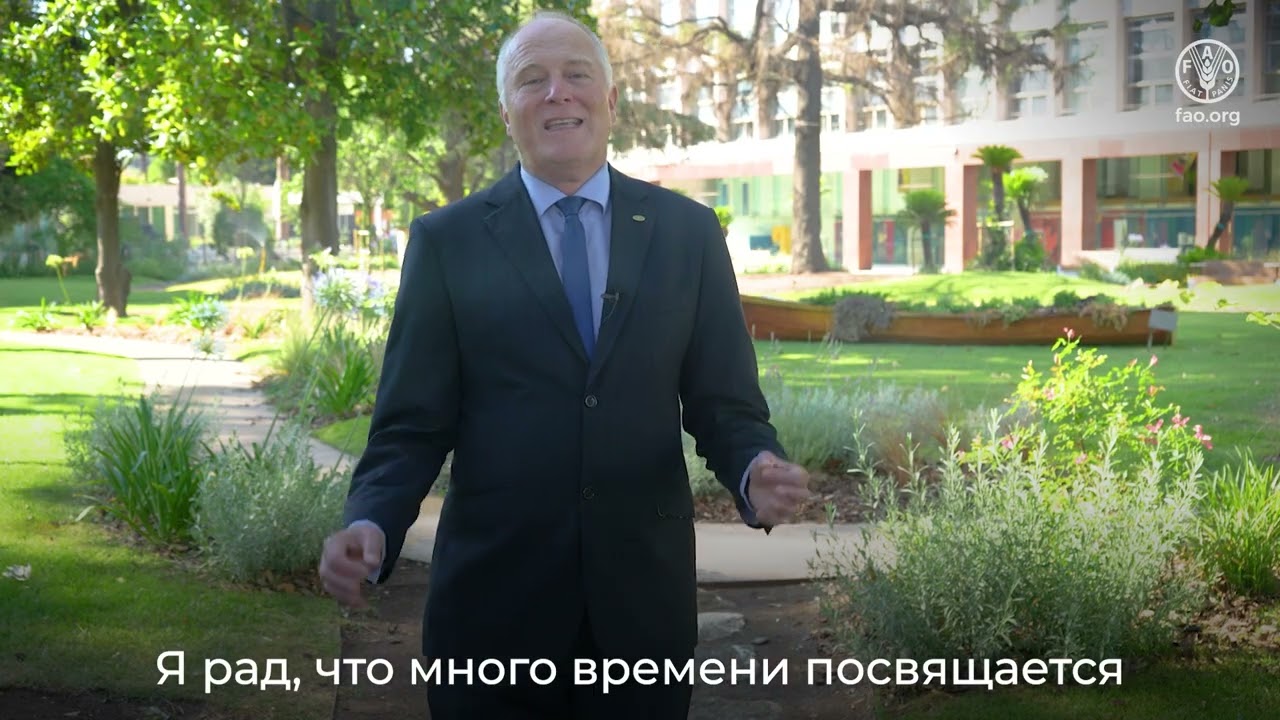
Региональный семинар МККЗР 2026 года
Watch on YouTubeVideo summary
The 2026 International Plant Protection Convention Regional Workshop serves as a pivotal gathering where stakeholders collectively shape the future of global plant health. These events are designed to allow each region to engage directly with the core functions of the IPPC while providing the Secretariat with valuable insights into regional successes and challenges. By strengthening national and regional capacities, the workshop ensures that the voices of all participants actively influence the direction of collective work, fostering a transparent environment where every contracting party can understand and contribute to strategic decisions made by governing bodies such as the Commission on Phytosanitary Measures and its associated committees.
A central theme of this year's session is the rigorous standard-setting process, with significant time dedicated to reviewing draft International Standards for Phytosanitary Measures under both first and second consultations. Key topics include commodity standards for citrus fruit, Phaseolus vulgaris seeds, Malus domestica fruit, Musa fruit, and taro, emphasizing that these regulations must be grounded in global experience and scientific expertise. Beyond standardization, the workshop places a major focus on implementation and capacity development through initiatives like the IPPC ePhyto solution, the plant health campus, and phytosanitary capacity evaluations. These programs aim to support countries in building resilient systems by addressing national reporting obligations and overcoming regional implementation challenges in practical, sustainable ways.
Participants will also explore emerging developments regarding sea containers and diagnostic laboratory networks through specialized focus groups, alongside updates on the African phytosanitary program. The event provides a dedicated space for discussing regional priorities, FAO plant health activities, and initiatives led by Regional Plant Protection Organizations, ensuring that solutions are rooted in local realities. This exchange allows countries to learn from one another regarding innovation and specific challenges, while expert presentations highlight region-specific needs. Furthermore, the inclusion of phytosanitary field activities offers hands-on experiences that bring technical work to life, deepening the understanding of practical implementation issues and opportunities across different landscapes.
Ultimately, the workshop underscores the critical role of active participation in safeguarding plant health, which directly strengthens global food security, facilitates safe trade, and protects the environment. The organizers express gratitude to the host country, Regional Plant Protection Organizations, and all attendees for their commitment to these vital goals. By encouraging participants to share their expertise and fully utilize the opportunities presented, the event aims to inspire a productive session that extends its impact beyond the immediate region. Through this collaborative effort, the collective work of the IPPC is reinforced, ensuring a robust framework for plant health management worldwide.
Read the full video transcript
Who shapes the future of plant health?
The answer is simple.
All of you, all of us.
Colleagues, participants, it is my great
pleasure to welcome you to the 2026
International Plant Protection
Convention Regional Workshop
where you are going to shape the future.
The workshops are one of the most
important moments in our annual
calendar.
Such gatherings
are an opportunity for each region to
engage directly with the core work of
the IPPC.
It is also a valuable opportunity for
the IPPC Secretariat to listen to the
regions and gain a better understanding
of successes and challenges that you
face.
They strengthen national and regional
capacities and ensure that your voices
shape the future of global plant health.
The workshop will open with an update on
IPPC governance and strategic issues
including the work of our governing
bodies
including the Commission on
Phytosanitary Measures or CPM, the CPM
Bureau
the Standards Committee and the
Implementation and Capacity Development
Committee. During the workshop,
dedicated sessions on governance,
strategy and committee updates reflect
the IPPC Secretariat's commitment to
transparency.
This ensures that every contracting
party understands and influences the
direction of our collective work.
A major focus of this year's workshop is
the standard-setting process.
I'm pleased to see extensive time
dedicated to reviewing draft standards
or ISPMs under both first and second
consultations.
These standards include commodity
standards for citrus fruit, Phaseolus
vulgaris seeds, Malus domestica fruit
and Musa fruit and of course taro.
These sessions are essential for
gathering regional
on draft standards under consultation.
Your feedback is vital. Standards are
only as strong as the global experience
and scientific expertise behind them. We
are science-based.
I'm also pleased to see sessions
dedicated to implementation and capacity
development.
The IPPC ePhyto solution, the plant
health campus, phytosanitary capacity
evaluations, national reporting
obligations, and regional implementation
challenges are all central to building
resilient phytosanitary systems.
These programs and innovative tools are
designed to support countries in
strengthening their national systems in
practical sustainable ways. Furthermore,
you will learn the latest developments
on IPPC's work on sea containers and
diagnostic laboratory networks through
the respective focus groups.
And of course, an update on the African
phytosanitary program.
This year, you will have a space to
discuss regional updates and topics of
interest, including FAO plant health
activities, RPPO initiatives, host
country experiences, and expert
presentations on region-specific
priorities.
This regional exchange is one of the
greatest strengths of these workshops.
It ensures that solutions are grounded
in local realities and that countries
learn from one another
in innovation and challenges.
Finally, I'm delighted that some regions
will engage in phytosanitary field
activities.
These hands-on experiences bring the
technical work of the IPPC to life and
deepen understanding of practical
implementation challenges and
opportunities.
I want to thank the organizers, the host
country, the RPPOs, and all participants
for your commitment and time to
safeguarding plant health. Your
engagement in these workshops directly
strengthens global food security,
facilitates safe trade, and protects the
environment.
I encourage you to participate actively,
share your expertise, and make full use
of the opportunity to shape the future
of plant health in your region and
beyond. I wish you a productive and
inspiring workshop. Thank you.